
Last updated November 15, 2026
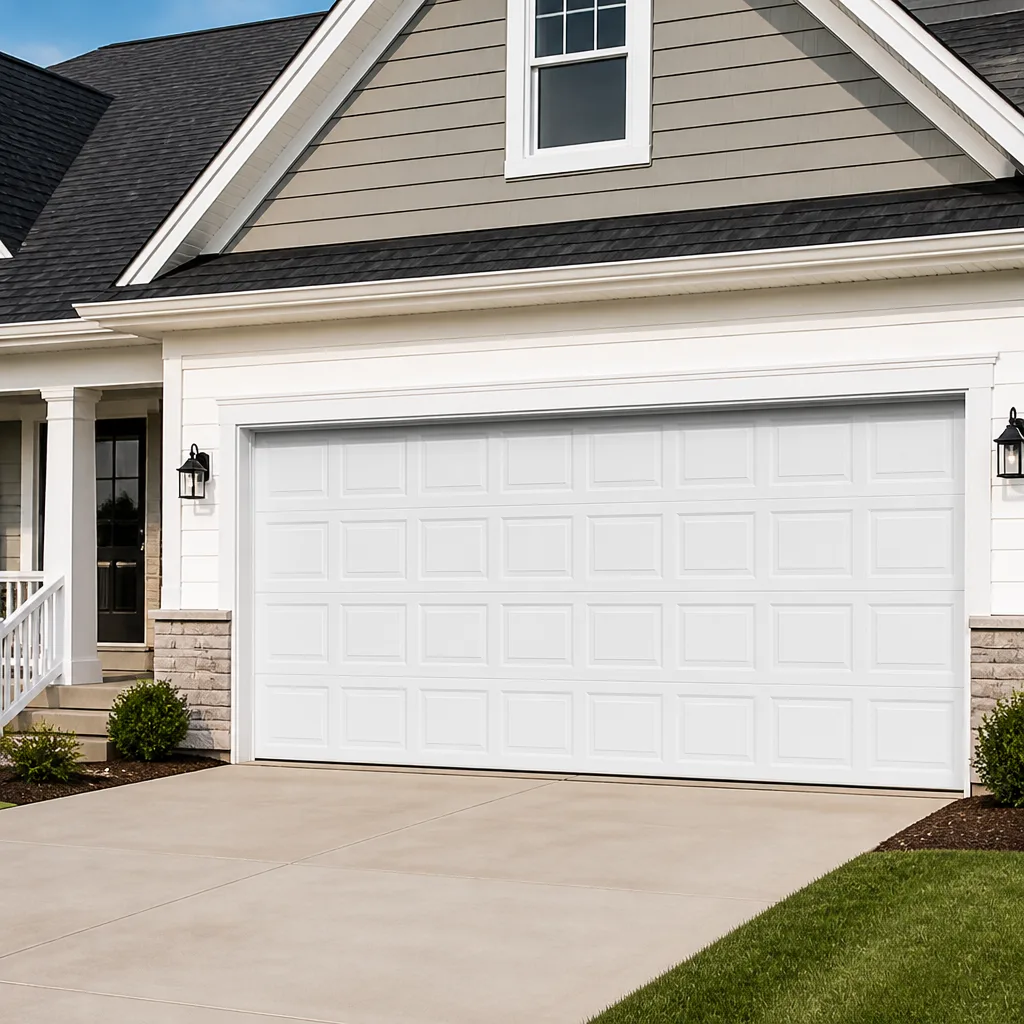 Raised-panel steel
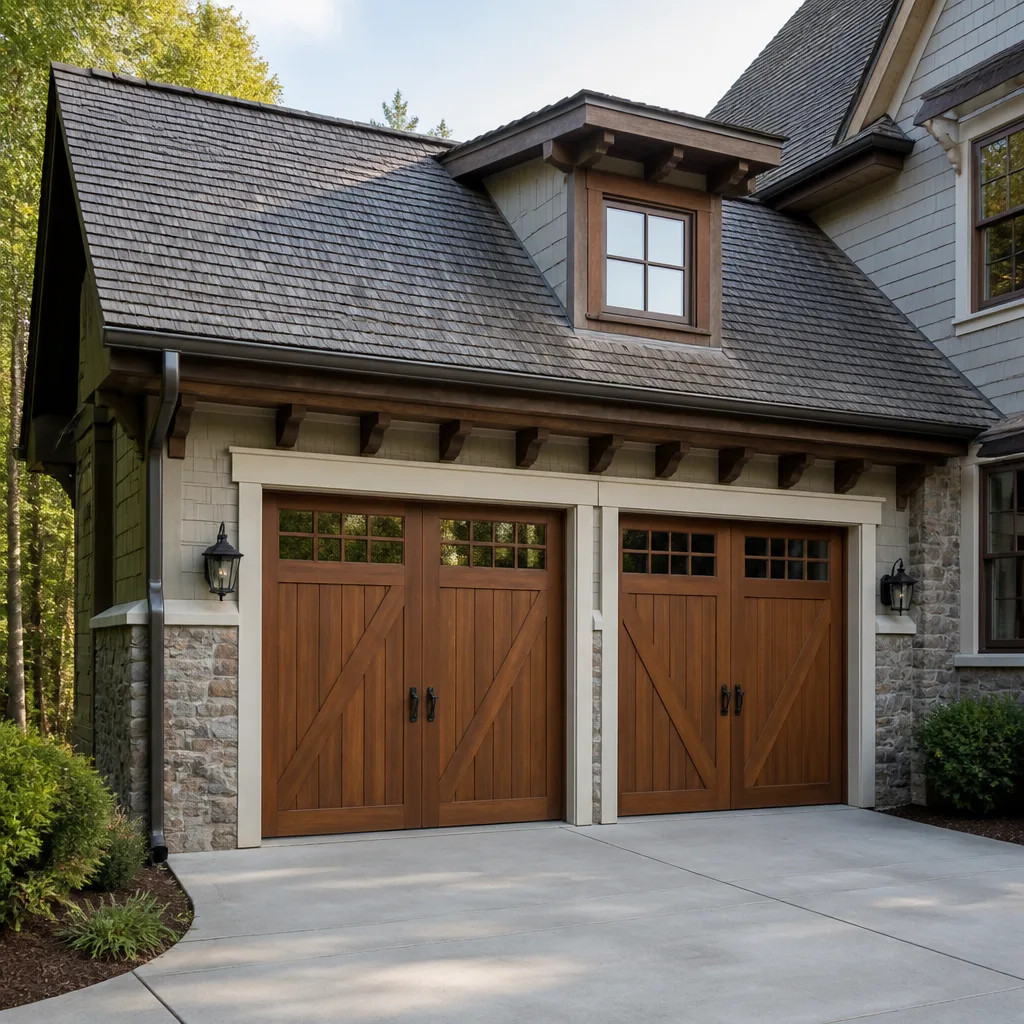 Carriage house
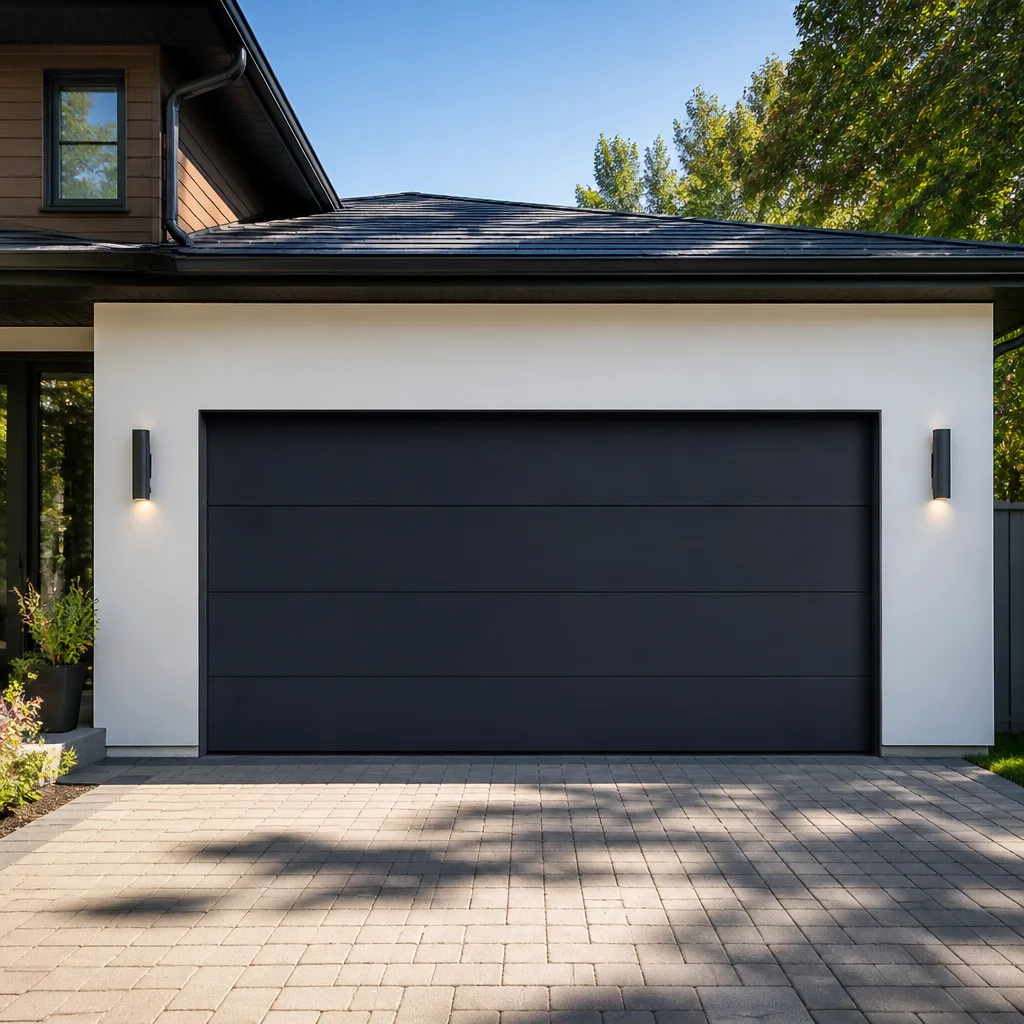 Modern flush
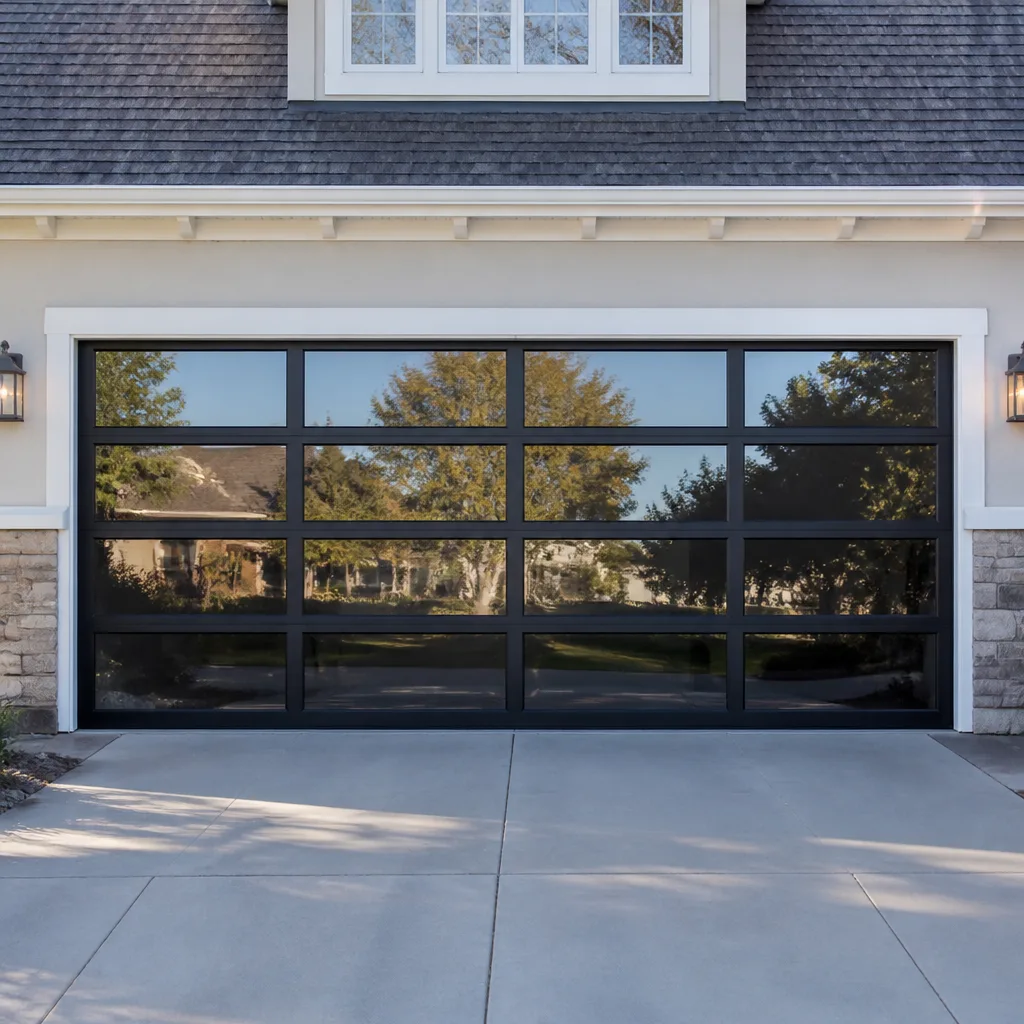 Full-view glass
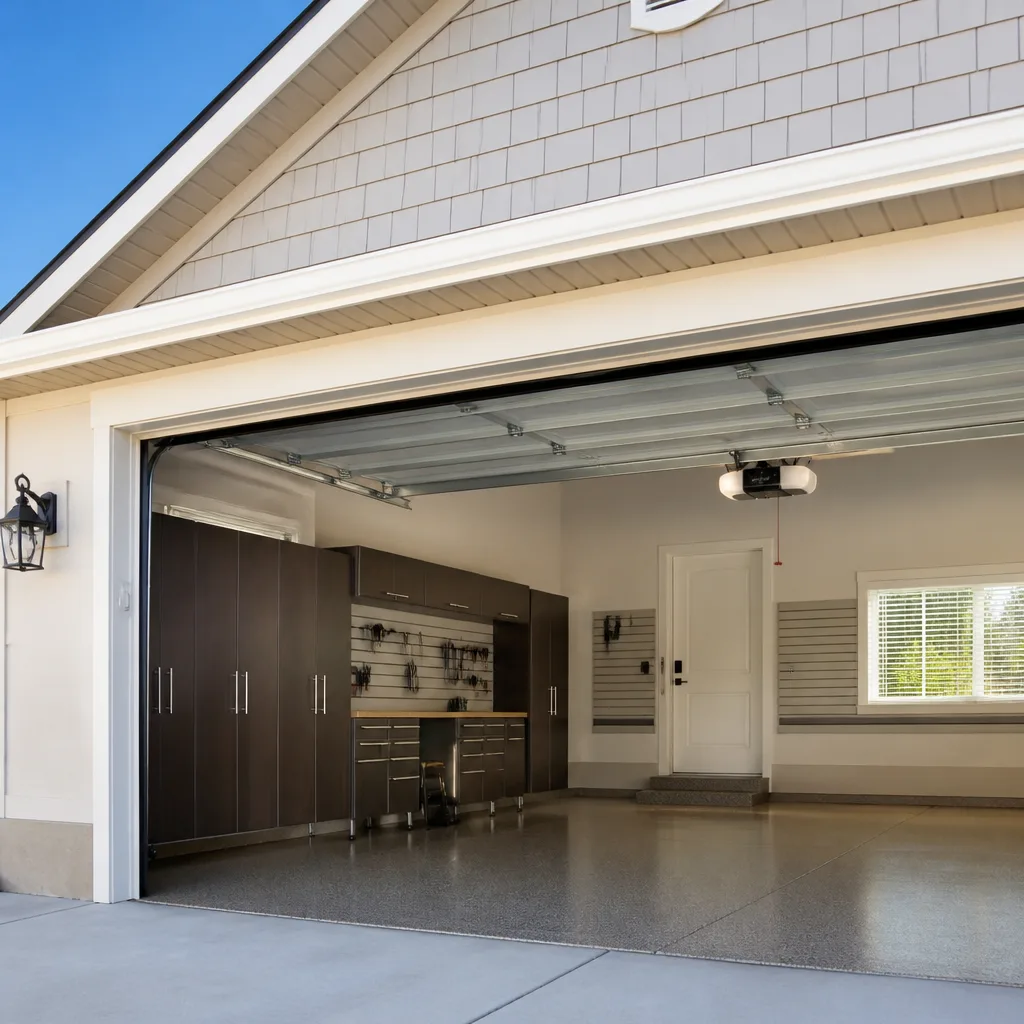 LiftMaster openers
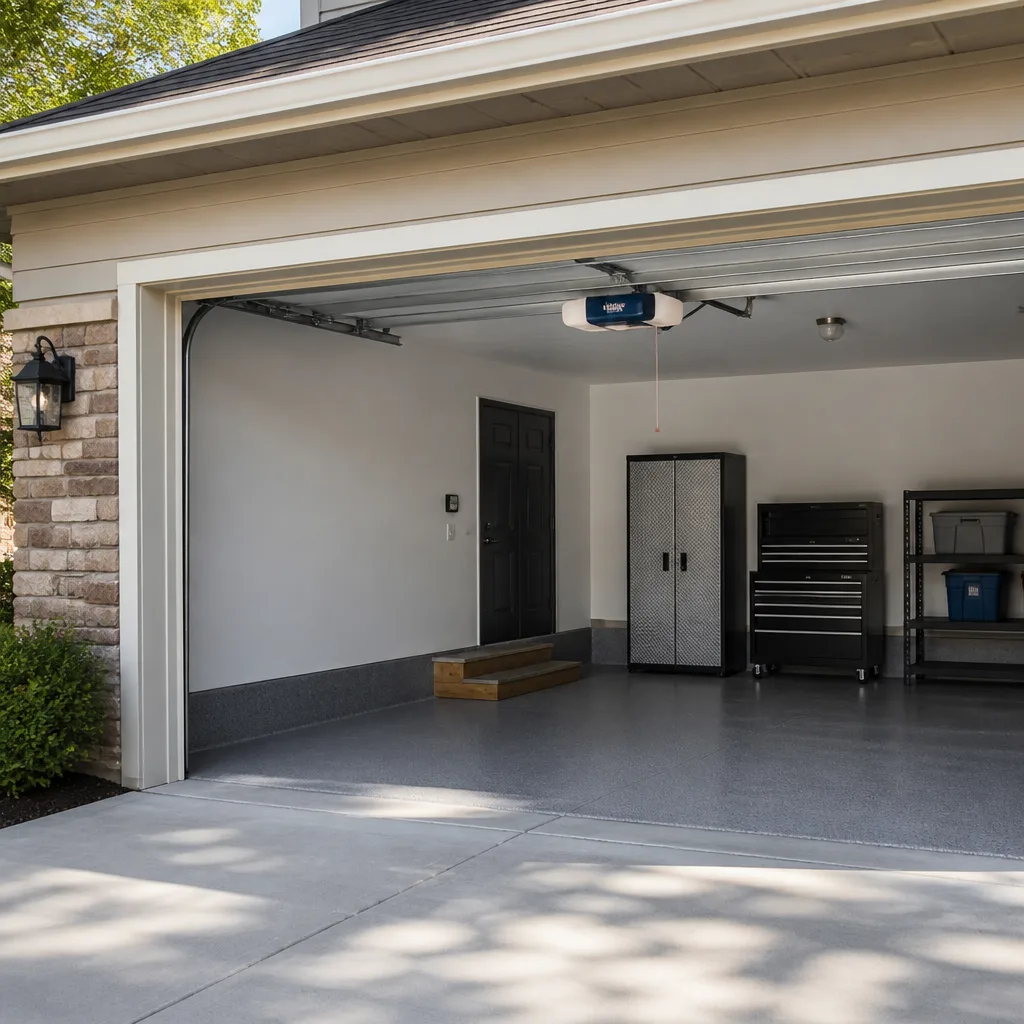 Chamberlain openers
Full 25-point door and opener safety check with every visit - springs, cables, rollers, tracks, and your LiftMaster or Chamberlain opener included
You get a price before we start. It does not change when the pro arrives.
Get your free estimateSeasonal Garage Door Care for Boise City: Year-Round Homeowner’s Guide
Most seasonal garage door guides are written for one climate and quietly copied everywhere else. That advice doesn’t transfer to Boise City, because a door here doesn’t face one season of stress. It faces four. The same bottom seal that freezes to the slab in January is baking against a sunbaked apron in July, and the steel panels in between are expanding and contracting in both directions. Treat all four seasons the same and you’ll replace parts years before you should. This guide walks through what actually changes in each Boise City season, from fall weatherstripping adjustments before the first freeze to summer track gaps, so you know what to check, what to leave alone, and when to call a specialist.
Styles & brands we work with
- Raised-panel steel
- Carriage house
- Modern flush
- Full-view glass
- LiftMaster openers
- Chamberlain openers
Quick Answer
Seasonal garage door care in Boise City means adjusting and lubricating in fall before temperatures drop, protecting the bottom seal from freezing to the concrete in winter, inspecting torsion springs and hardware after the last frost in spring, and checking track gaps and panel alignment as heat expands the door in summer. Each season stresses a different part of the system, so the same checklist won’t cover the whole year.
Table of Contents
- Why Boise City Is Harder on Garage Doors Than It Looks
- Fall Prep: Sealing the Door Before the First Freeze
- Winter: Frozen Bottom Seals and What Never to Do
- Spring: The Freeze-Thaw Cycle and Your Torsion Springs
- Summer: Thermal Expansion and Track Gaps
- Your Boise City Seasonal Task Calendar
- Working With the Brand You Already Have
- Common Mistakes to Avoid
- When to Call a Professional
- Frequently Asked Questions
- The Bottom Line
Why Boise City Is Harder on Garage Doors Than It Looks
Boise City sits in a high desert valley, and that geography sets up a punishing swing for anything made of steel, wood, rubber, or nylon. Summer highs climb past 100°F. Winter brings hard overnight freezes. The door sits in the middle of that range and expands and contracts with it, twice a year at minimum, and often more during the shoulder seasons when a warm afternoon follows a cold morning.
The materials involved respond at different rates, and that mismatch is where problems start:
- Steel panels expand noticeably on a hot afternoon and contract overnight. Panel seams and hinges take the movement first.
- Wood doors (and wood-look composites) swell with moisture and dry out with heat, so gaps open and close on their own schedule.
- Rubber bottom seals stiffen in the cold and can freeze to the concrete apron, then tear away the next time the door lifts.
- Torsion springs cycle through tension and relaxation as the door’s weight and the metal’s own temperature shift, which is why spring failures cluster around temperature change.
- Dust and grit blow into tracks and rollers through the dry summer, grinding away at the moving parts.
None of that is unusual in isolation. What makes Boise City demanding is that all five happen in the same twelve months on the same door, and each one needs attention at a different time. A door that gets fall lubrication, a winter seal check, a spring inspection after the last frost, and a summer track adjustment will outlast one that gets a single generic tune-up in spring. We see the difference on garage door repair calls year after year: the doors that fail early are usually the ones nobody adjusted between seasons.
Fall Prep: Sealing the Door Before the First Freeze
The single most useful thing you can do for a Boise City garage door in fall is deal with weatherstripping and the threshold seal before temperatures drop. Once the first hard freeze arrives, the rubber gets stiff and unforgiving, and adjustments that would be simple in October become awkward in December. The goal is a door that meets the floor and the frame evenly, so cold air and moisture stay out and the bottom seal never has to fight the concrete.
Here’s the order that works, and it’s worth following it as written:
- Look at the bottom seal from inside with the door closed. Check for daylight underneath and for flat spots, cracks, or a seal that’s pulled away from the retainer. Daylight means the door isn’t meeting the floor.
- Check the side and top weatherstripping. Run a hand along the frame where the door meets it. Gaps, hardened strips, or torn flaps will let in snowmelt and cold air all winter.
- Adjust the bottom seal retainer if it’s uneven. A seal that touches at one end and floats at the other usually needs the retainer repositioned rather than the seal replaced. That’s a small job done now and a bigger one once the concrete is cold.
- Lubricate the moving parts. Hinges, rollers, and the torsion bar bearings get a proper garage door lubricant, not WD-40 and not motor oil. Do this before grit and cold combine to stiffen everything.
- Test the balance of the door. Disconnect the opener and lift the door halfway by hand. It should hold roughly where you leave it. A door that drops or needs a shove is telling you the springs are tired, and you want to know that before the cold puts more load on them.
- Test the safety reverse. Lay a piece of wood flat under the door and close it. It should reverse on contact. This is the check most homeowners skip and the one that matters all year.
Fall in Boise City also brings the last stretch of dry, dusty weather before things get wet. Wiping down the tracks and clearing grit now saves you a noisy, grinding door through the cold months. If the door won’t close evenly after these steps, or the seal won’t seat against a sloped or cracked apron, that’s worth a professional look. Call (833) 467-9147 for a free estimate and we’ll tell you what’s actually worn and what isn’t. We answer 24/7. Fast dispatch from 7am to 7pm.
Winter: Frozen Bottom Seals and What Never to Do
When a bottom seal freezes to the concrete, the wrong move is the one most people reach for. Boiling water, a heat gun held too close, or prying the seal up with a bar will damage the rubber, warp the retainer, or crack the seal outright. A frozen seal is a solvable problem, but only if you’re patient with it and know when to stop.
The right way to handle a frozen bottom seal in Boise City:
- Leave the door alone if it won’t lift cleanly. Don’t force the opener. A frozen seal against a straining motor is how openers get burned out and how seals get torn in half.
- Break the bond gently. Warm water from a watering can along the seal, or a few minutes of warm air from a household hair dryer on the lowest setting, held well back, will soften the ice without cooking the rubber.
- Clear snow and ice from the apron and the threshold. A drift packed against the door refreezes into a block. Move it before it sets.
- Dry the seal and the floor once the door is freed. Standing water refreezes. A quick wipe now prevents a repeat tomorrow.
- Check the seal for damage once it’s clear. A seal that’s cracked, torn, or permanently deformed from the freeze needs replacing rather than patching. Call us and we’ll advise you before you buy a replacement that doesn’t fit your retainer.
You should never use boiling water on a bottom seal or the concrete around it, and you should never chip ice off with a shovel edge or an ice scraper. Both cause damage that costs more to fix than the frozen seal itself. And if the door lifts at all but won’t travel smoothly, or the opener strains and stops, the issue may be more than the seal. A popped torsion spring in cold weather is common in Boise City, and a door with a broken spring should never be forced up or down, by hand or with the opener. A torsion spring under tension stores a serious amount of energy, and adjusting or replacing one is a job for a trained technician with the right winding bars and the door secured. Don’t attempt it yourself.
While you’re in the garage this winter, keep the track clear of snow that blows in, and resist the urge to use the garage as a warm place to run a car engine or a space heater near the door’s moving parts. This is also the season to test that safety reverse and the photo-eye alignment, since a jammed seal or a tipped-over box can interrupt the beam and leave a door that refuses to close. If something’s off, call (833) 467-9147 and we’ll sort out whether it’s the seal, the springs, or the opener. We answer 24/7. Fast dispatch from 7am to 7pm.
Spring: The Freeze-Thaw Cycle and Your Torsion Springs
Boise City’s freeze-thaw cycle is hardest on torsion springs, and the reason is simple. A spring gets wound to a specific tension to balance the weight of your door. Every time the door opens and closes, that spring cycles. Every time the temperature swings across freezing, the steel in the spring and the cables around it experience a small change in tension and length. Day after day of freeze at dawn and thaw by afternoon through late winter and early spring adds up to thousands of small stress cycles, and that’s why spring failures cluster around the shoulder season more than the deep cold.
After the last frost, this is what to inspect:
- Look at the torsion spring along its length. A visible gap in the coil means the spring has broken and must be replaced, and the door should not be operated until it is.
- Check the lift cables. Frayed strands, kinks, or cables that have jumped a drum are all signs of trouble. Never touch a cable under tension.
- Listen and watch for the door traveling unevenly. A door that racks to one side, or that lifts slowly on one edge, usually points to a spring or cable issue rather than the opener.
- Test the balance again. Pull the release, lift the door halfway, and let go. It should stay put. If it drops, the springs are losing tension and should be assessed.
- Re-lubricate the hinges, rollers, and bearings. Spring is the second of the two yearly lubrication points, and it’s the one that clears out winter grit.
Spring replacement is a two-spring or one-spring decision, and it’s worth knowing the difference. A typical single torsion spring replacement in Boise City runs an estimated $180 to $340, and a matched pair is usually replaced together at roughly twice that, since both springs have cycled the same number of times and the second is likely close behind the first. The written estimate you get before any work starts is the price. If you’d rather not guess, call (833) 467-9147 and we’ll look at what you have and quote it honestly. Garage doors only, so this is all we do.
Summer: Thermal Expansion and Track Gaps
When Boise City pushes past 100°F, the garage door isn’t the same shape it was in January. Steel panels grow measurably in the heat, and a door that ran quietly in April can start rubbing, sticking, or scraping its tracks by July. The fix is usually a small adjustment, not a rebuild, and the trick is to make it while the door is hot, since a gap you set on a cool morning will close up by afternoon.
What to watch as the heat settles in:
- Vertical track gaps. Check the space between the rollers and the track. If a roller is binding or the door is rubbing the track on one side, the track needs a small adjustment to allow for expansion. Do the check mid-afternoon when the door is at its warmest.
- Panel alignment. Heat can lift panel edges or open seams slightly. If the door looks bowed or a panel edge is catching, a professional adjustment is safer than bending panels by hand.
- Wood doors in particular. Wood and wood-look doors swell and dry with the seasons. A door that stuck in winter may run freely in summer, and a door that was fine in spring may swell tight in the heat. Keep the finish on wood doors maintained so moisture swings don’t crack the surface.
- Dust and grit in the tracks. Summer wind carries fine dust that grinds into rollers and hinges. Wipe the tracks clean and lubricate with a proper garage door lubricant, and skip the grease that attracts more grit.
- Opener strain. A door binding in the heat draws more from the opener motor. If the opener is straining or the safety reverse is misfiring on a hot afternoon, check for a binding door before assuming the opener itself has failed.
Summer is also the natural time to think about the opener, since it’s working hardest when the heat is worst. Our garage door opener repair service covers lift motors, logic boards, remotes, and the smart-control side of the system, and if your opener is a Genie or a LiftMaster unit that’s been in the house for years, a proper diagnostic will tell you whether it’s a motor problem or just a door that needs its tracks adjusted. From the spring to the smart opener, it’s all one system. Call (833) 467-9147 for a free estimate. We answer 24/7. Fast dispatch from 7am to 7pm.
Your Boise City Seasonal Task Calendar
Boise City’s average first frost lands in early October and the average last frost in early May, which sets the practical bookends for your year. Here’s how that maps onto a task calendar you can actually follow. Each task is done at the point in the season when it matters most in this climate, not on an arbitrary schedule.
Fall (September to early October, before the first freeze):
- Inspect and adjust bottom seal and threshold seal against the floor
- Check side and top weatherstripping for gaps and hardening
- Lubricate hinges, rollers, and bearings
- Test door balance by hand with the opener released
- Test the safety reverse and photo-eye alignment
- Clear and clean the tracks before the dust and snow season
Winter (October through April):
- Keep snow and ice off the apron and threshold
- Free the bottom seal gently if it freezes to the floor – never with boiling water or a metal edge
- Watch for opener strain and stop using it if the door won’t lift freely
- Test safety reverse monthly
Spring (April to May, after the last frost):
- Inspect torsion springs for breaks and gaps
- Check lift cables for fraying and kinks (look, don’t touch)
- Re-lubricate hinges, rollers, and bearings
- Re-test door balance and safety reverse
- Clear grit from tracks after winter
Summer (June through August):
- Check vertical track gaps in the heat of the afternoon
- Inspect panel alignment and seams on steel and wood doors
- Clean and re-lubricate tracks and rollers after dust season
- Check opener performance and remote or smart control function
If you post this on the inside of the garage door, you’ll actually use it. The single biggest thing that separates a door that lasts from one that doesn’t is whether someone follows the calendar through the year, and a homeowner with a notebook and a can of the right lubricant handles most of it.
Working With the Brand You Already Have
One thing we run into constantly in Boise City is homeowners assuming they need to replace the whole door because one part failed and the brand is unfamiliar. In practice, almost every residential door and opener on the market can be serviced where it sits. Our technicians are trained on eight of the most widely installed residential brands – LiftMaster, Chamberlain, Genie, Clopay, Amarr, Wayne Dalton, Craftsman, and Raynor – which means most homes are already covered without a brand-compatibility guess.
That matters for seasonal care specifically, because the right adjustment, the right seal, and the right replacement part depend on the exact model. A Clopay door’s seal retainer is different from an Amarr’s, and a Genie opener has a different diagnostic path from a LiftMaster. Knowing the brand landscape up front is how we diagnose and fix in one visit rather than ordering a part that turns out not to fit. We work on the brand you already have, and there’s no need for a brand switch to get the door running right.
Our technicians have up to experience, and the whole focus is this one system. Garage doors only – so this is all we do. When you call, tell us the brand and roughly what the door is doing, and we’ll be able to tell you whether it’s a seasonal adjustment, a worn part, or a repair. Call (833) 467-9147 for a free estimate.
Common Mistakes to Avoid
- Treating all four seasons like one. A single spring tune-up doesn’t cover a Boise City year. The door needs different attention in fall, winter, spring, and summer, and skipping a season leaves one part of the system without the care it needs.
- Pouring boiling water on a frozen bottom seal. The rubber and the retainer both take damage it never fully recovers from. Warm water or low warm air frees the seal without ruining it.
- Lubricating with the wrong product. WD-40, motor oil, and thick grease all attract grit or dry out the seals. A proper garage door lubricant is the only thing that belongs on hinges, rollers, and bearings.
- Forcing a door with a broken spring. Running the opener on a door with a snapped torsion spring can tear out the cables and damage the opener. Stop and call a trained technician; springs and cables are dangerous under tension, and adjusting them is not a homeowner job.
- Adjusting tracks on a cool morning in summer. Set a track gap when the door is cold and it will bind by afternoon as the panels expand. Boise City summer adjustments have to be done in the heat of the day to account for expansion.
- Ignoring the safety reverse. It’s the one check that protects the people and pets in the garage. Test it every time you change the season, not just once a year.
- Assuming a sticking door means a new opener. Binding tracks, worn rollers, loose hinges, and seasonal expansion all mimic opener failure. Diagnose the door before replacing the electronics.
When to Call a Professional
There’s a clear line between seasonal maintenance you can handle and jobs that need a trained technician. Call a professional when a torsion spring has snapped or the door drops when you test the balance, when a lift cable looks frayed or has come off its drum, when a panel is dented or bent badly enough to affect travel, or when the door is binding in a way that adjusting the tracks doesn’t solve. Call us too if the opener strains or stops under load, if the safety reverse won’t test clean, or if the bottom seal is damaged so badly it needs a new retainer and not just a new seal.
One of the reasons homeowners call us specifically is that garage doors are all we work on. Arbor Garage Door Repair offers free estimates in Boise City, and the price is set per job by the written estimate, quoted and agreed before any work starts. Call (833) 467-9147. We answer 24/7. Fast dispatch from 7am to 7pm, Sunday through Friday.
Frequently Asked Questions
A full seasonal inspection and lubrication twice a year covers the mechanical side, with a fall prep before the first freeze and a spring check after the last frost. In between, monthly safety-reverse tests and a monthly look at the bottom seal keep the door safe through winter and summer. The Boise City seasons each stress a different part of the system, so twice-yearly mechanical care plus monthly safety checks is the practical rhythm.
Free it gently with warm water from a watering can or low warm air from a hair dryer, never boiling water or a shovel edge. Clearing snow and ice from the apron first prevents the refreeze, and drying the seal once it’s free keeps it from setting again overnight. If the seal is cracked or torn afterward, it needs replacing. Call (833) 467-9147 for a free estimate. We answer 24/7. Fast dispatch from 7am to 7pm.
Yes – spring failures cluster around the freeze-thaw season, because the repeated temperature swings cycle the spring’s tension thousands of times over a season. The best protection is an inspection after the last frost and a balance test every few months. If a spring has snapped, don’t operate the door; call a trained technician. Springs and cables are dangerous under tension.
Minor gap adjustments on the vertical tracks can be done carefully by a homeowner, but only while the door is hot so the setting holds as it expands. Panel alignment, bent tracks, and anything involving springs or cables are jobs for a professional. If the door is grinding, binding hard, or cutting into the track, stop and call us at (833) 467-9147 for a free estimate.
Yes – an insulated door keeps heat in, but the bottom seal and weatherstripping still face the cold and the freeze. Sealing the threshold, adjusting the side and top strips, and checking the bottom seal before the first freeze are all still necessary. Insulation reduces temperature loss but doesn’t protect the door’s moving parts from the cold or the seals from freezing to the floor.
We’re trained on eight of the most widely installed residential brands – LiftMaster, Chamberlain, Genie, Clopay, Amarr, Wayne Dalton, Craftsman, and Raynor – so most Boise City homes are already covered. Tell us the brand when you call and we’ll know the right adjustments and parts for your door. Call (833) 467-9147 for a free estimate. We answer 24/7. Fast dispatch from 7am to 7pm.
The Bottom Line
Boise City’s garage doors don’t live in one climate; they live in four mechanical stress seasons that each hit a different part of the system. Fall is for sealing and lubricating before the first freeze. Winter is for protecting the bottom seal and not forcing a frozen door. Spring is when torsion springs and cables need a proper inspection after the freeze-thaw cycle. Summer is when thermal expansion makes track gaps and panel alignment the real issue. Follow the calendar, test the safety reverse every month, and call a certified technician before touching anything under tension. Almost everything on this list is homeowner work; the parts under load are not. If you’d rather have a specialist look it over, we’d be glad to help.
Call Arbor Garage Door Repair at (833) 467-9147 for a free estimate on seasonal service, repairs, or a new door. We answer 24/7. Fast dispatch, 7am-7pm, Sunday through Friday.
Written by the team at Arbor Garage Door Repair.
See the difference
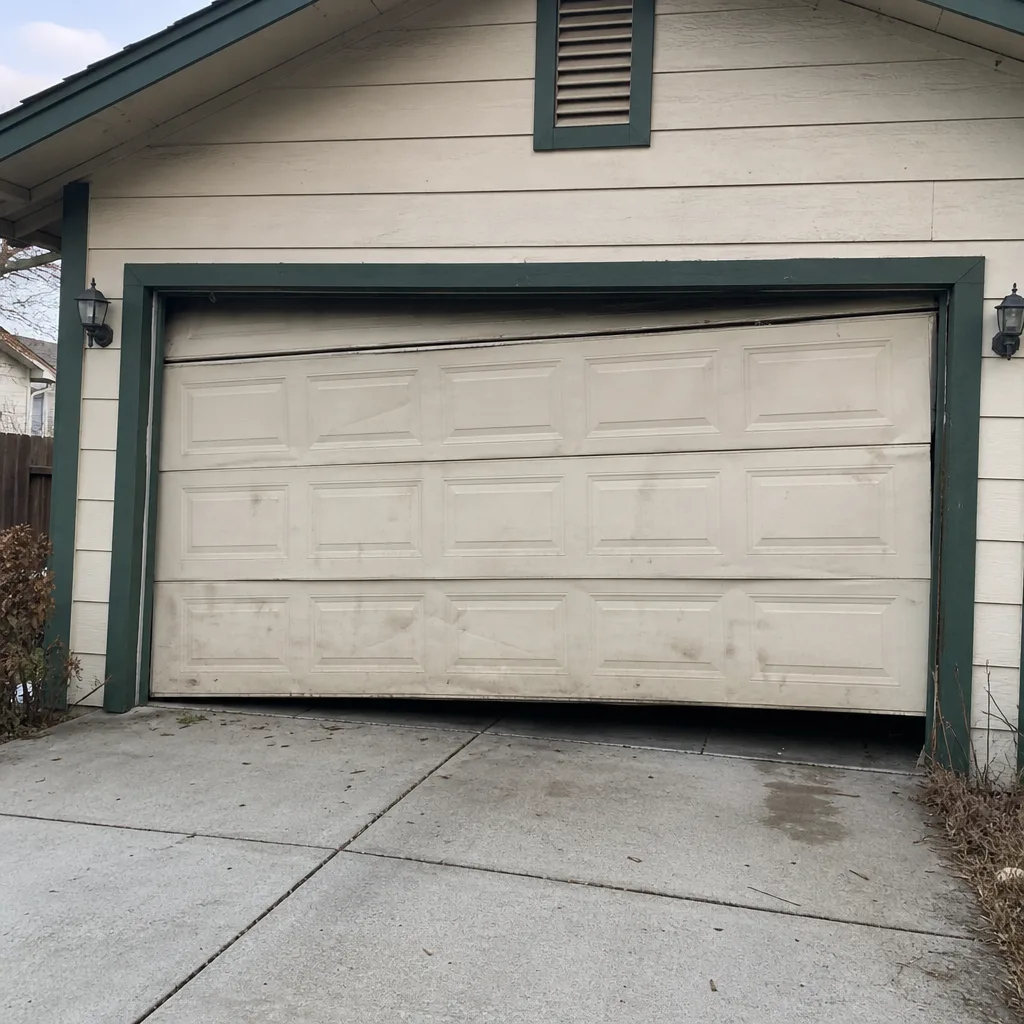 Before
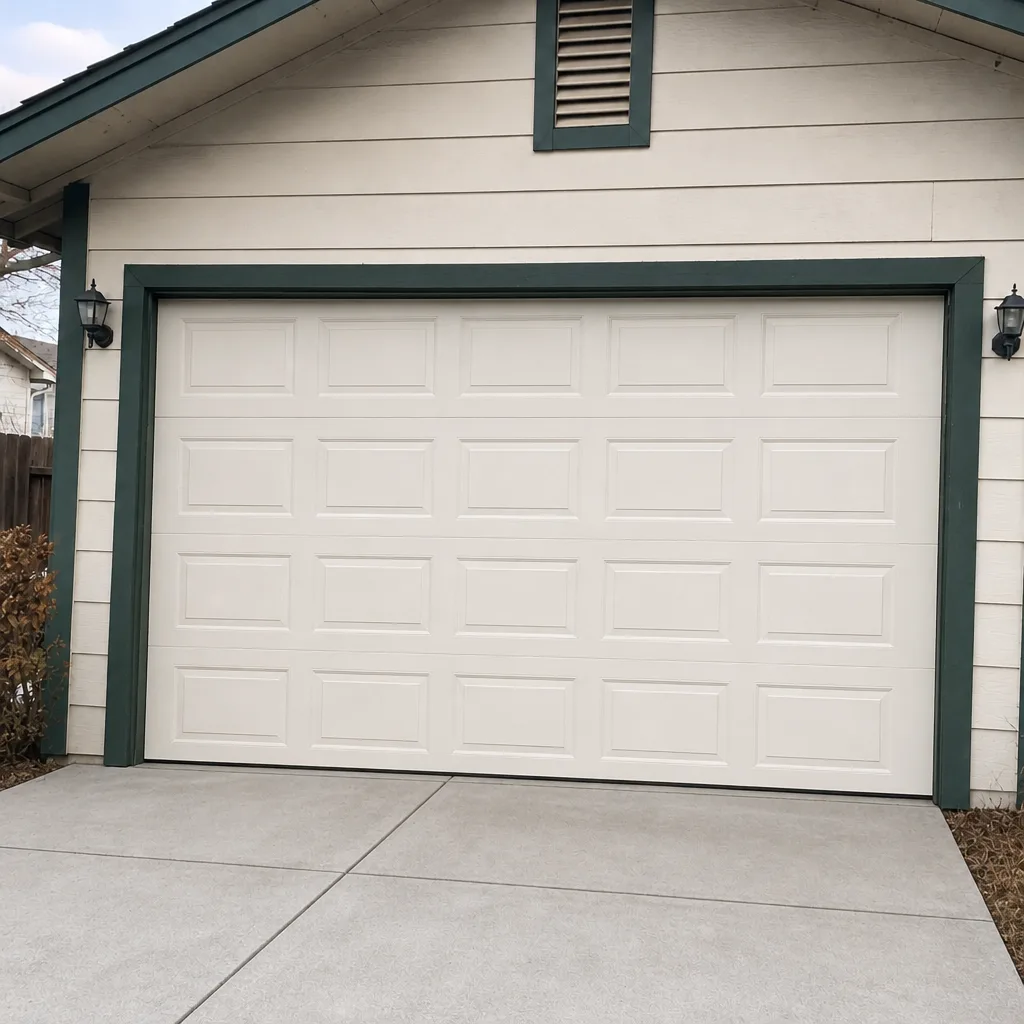 After
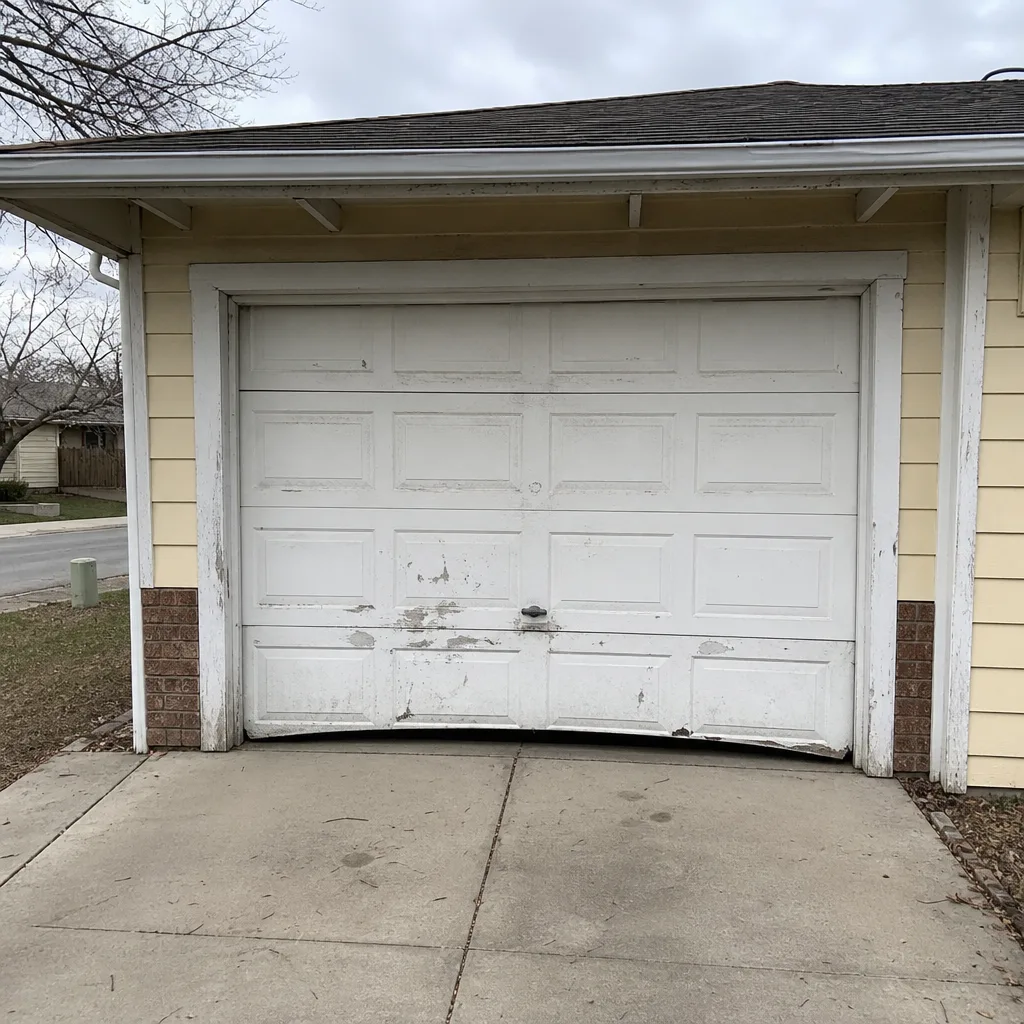 Before
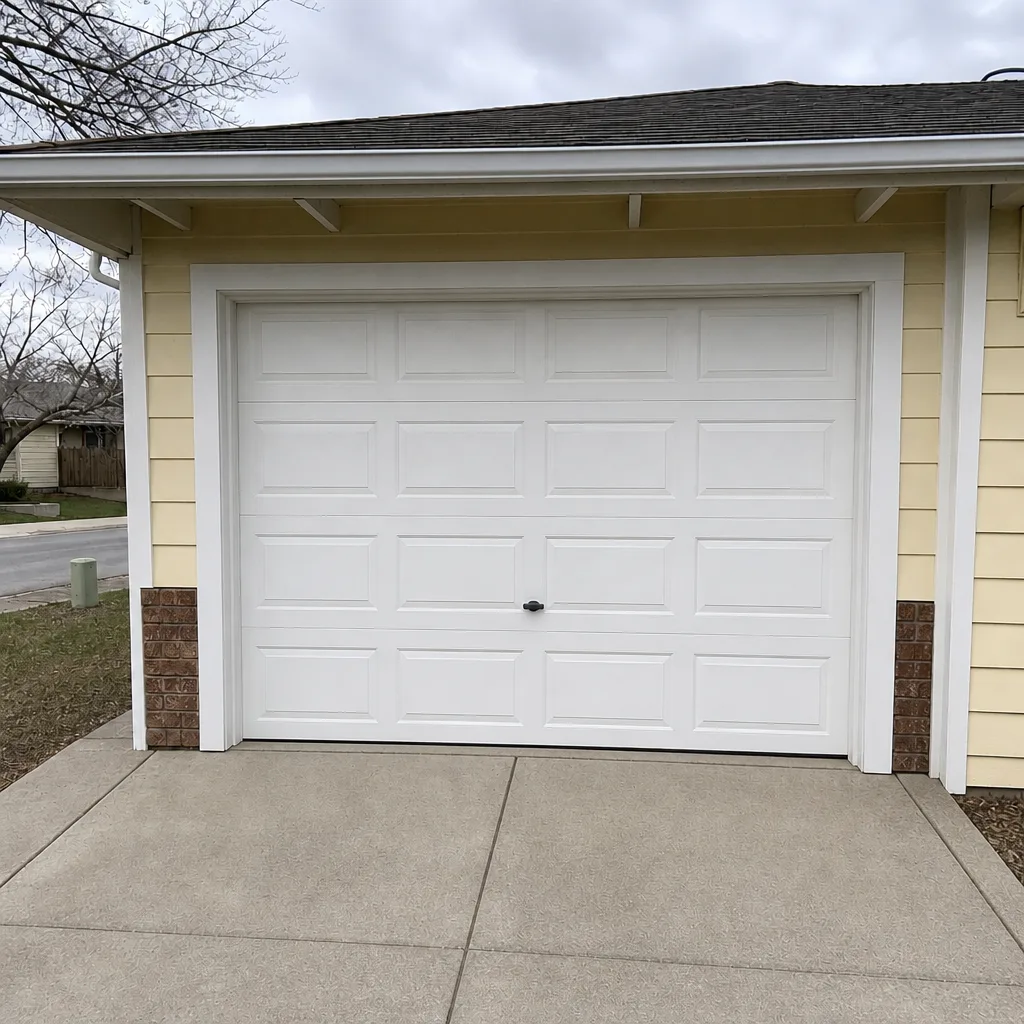 After
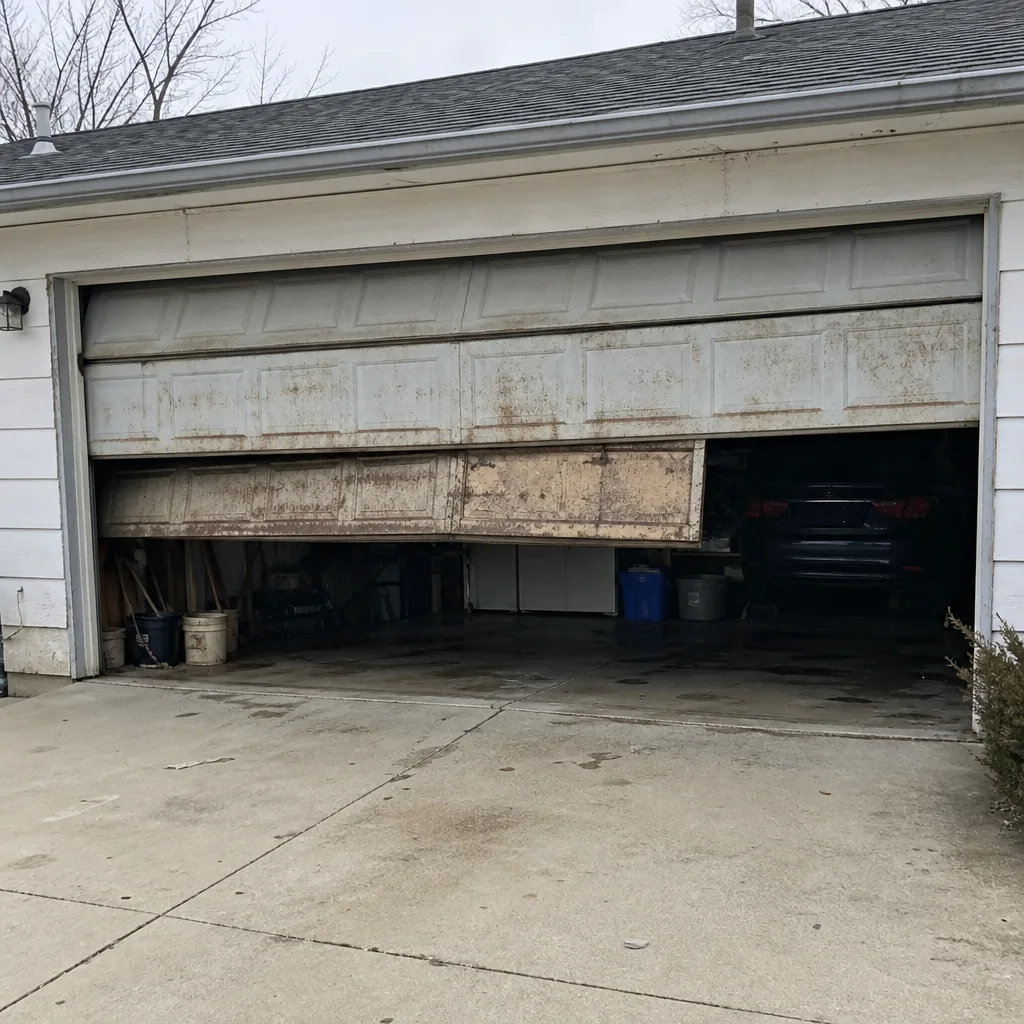 Before
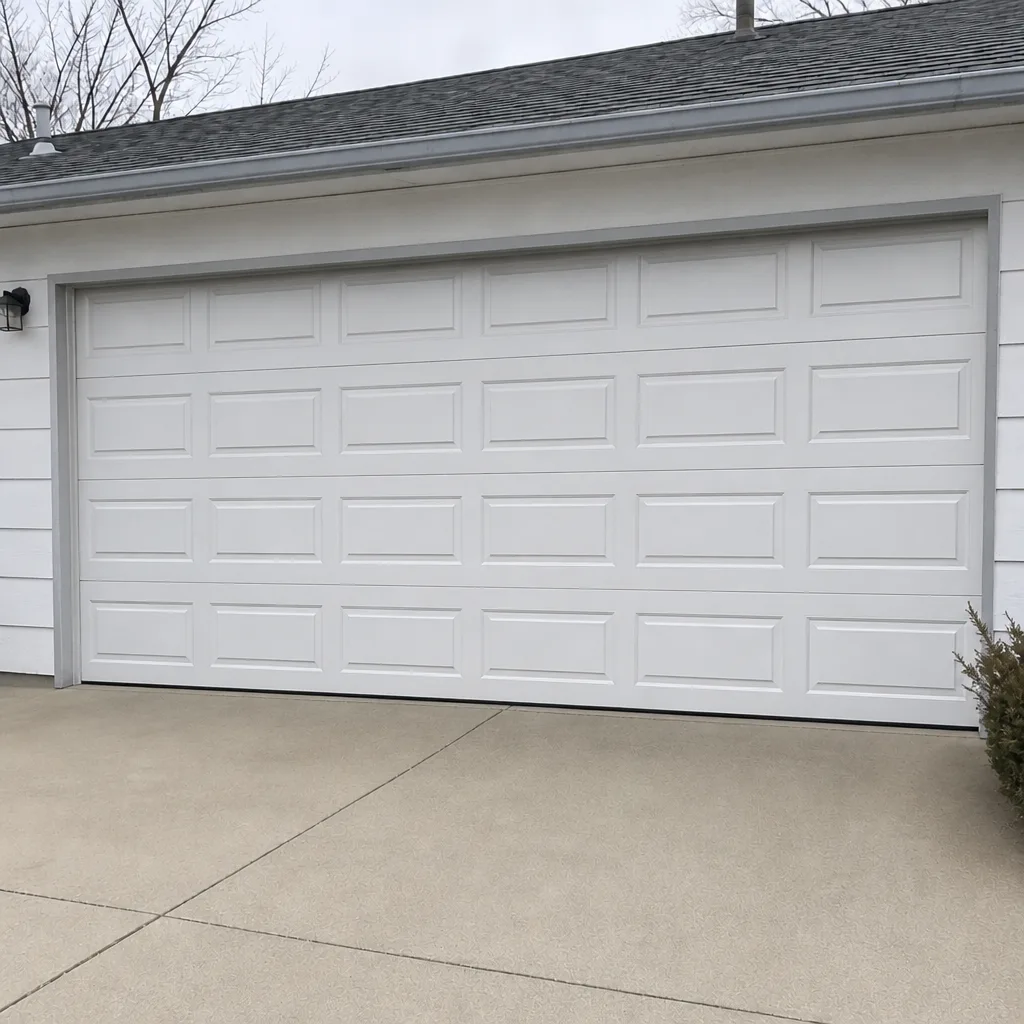 After