
Last updated November 15, 2026
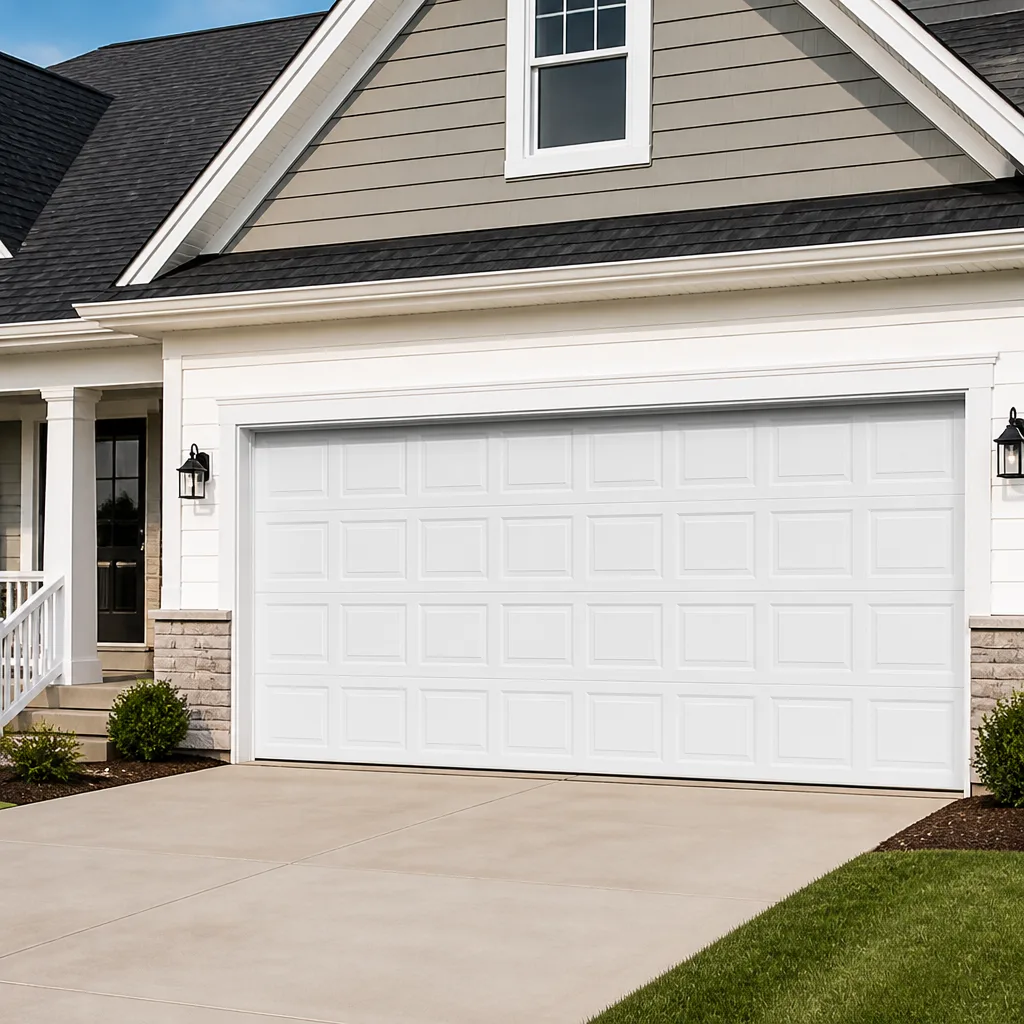 Raised-panel steel
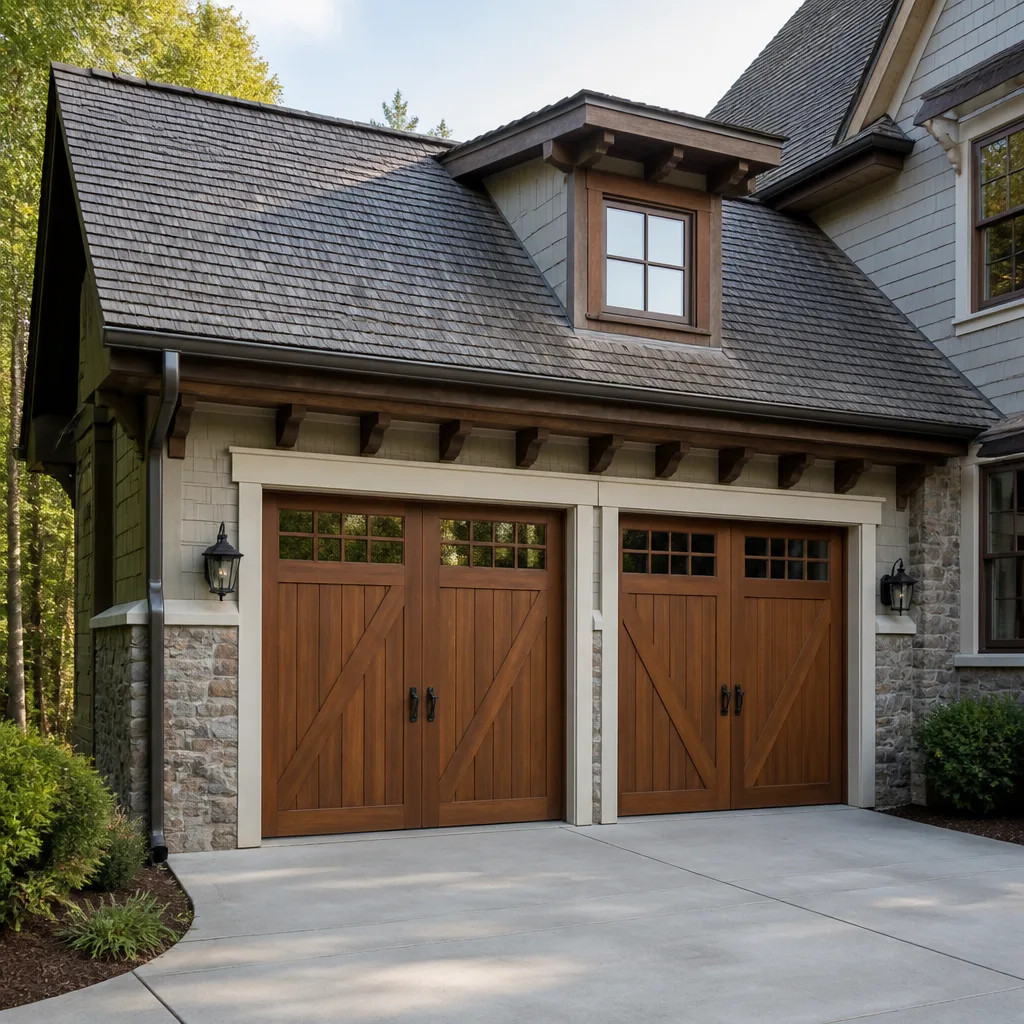 Carriage house
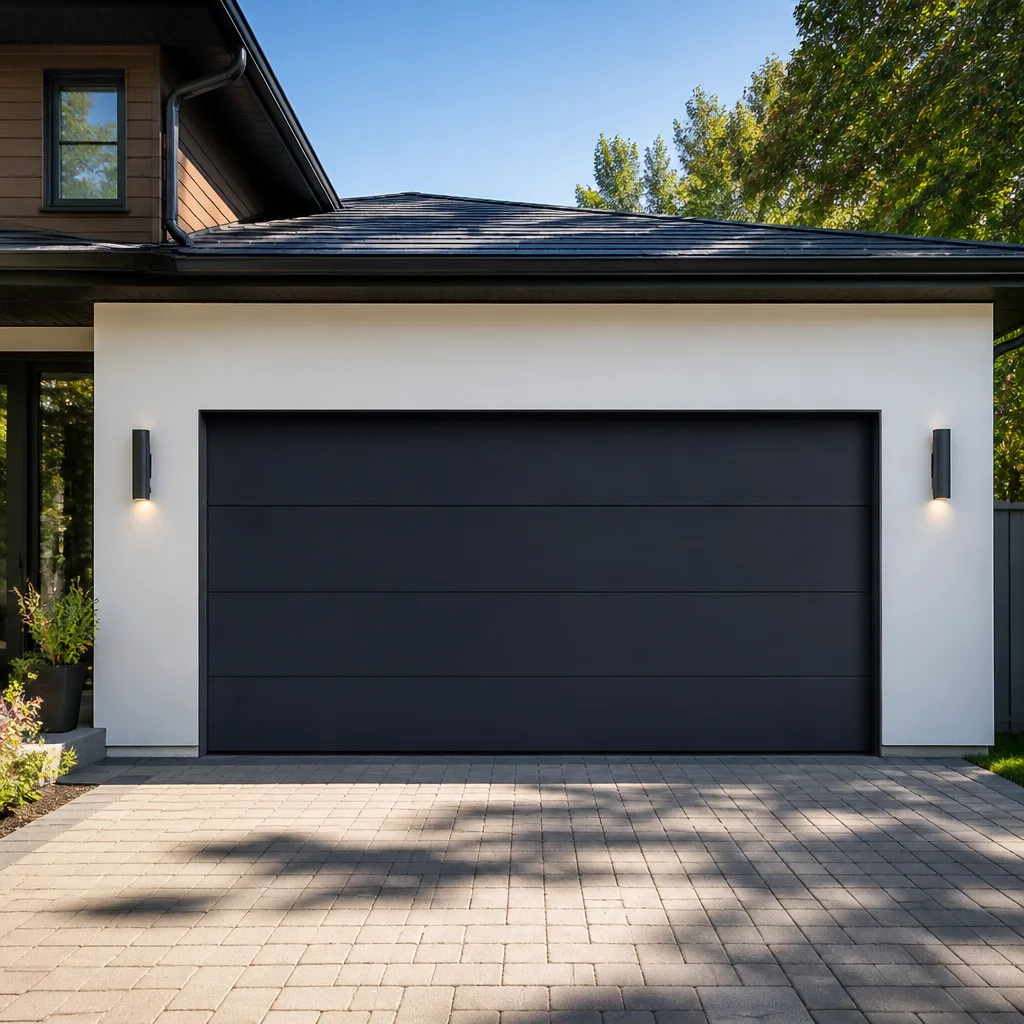 Modern flush
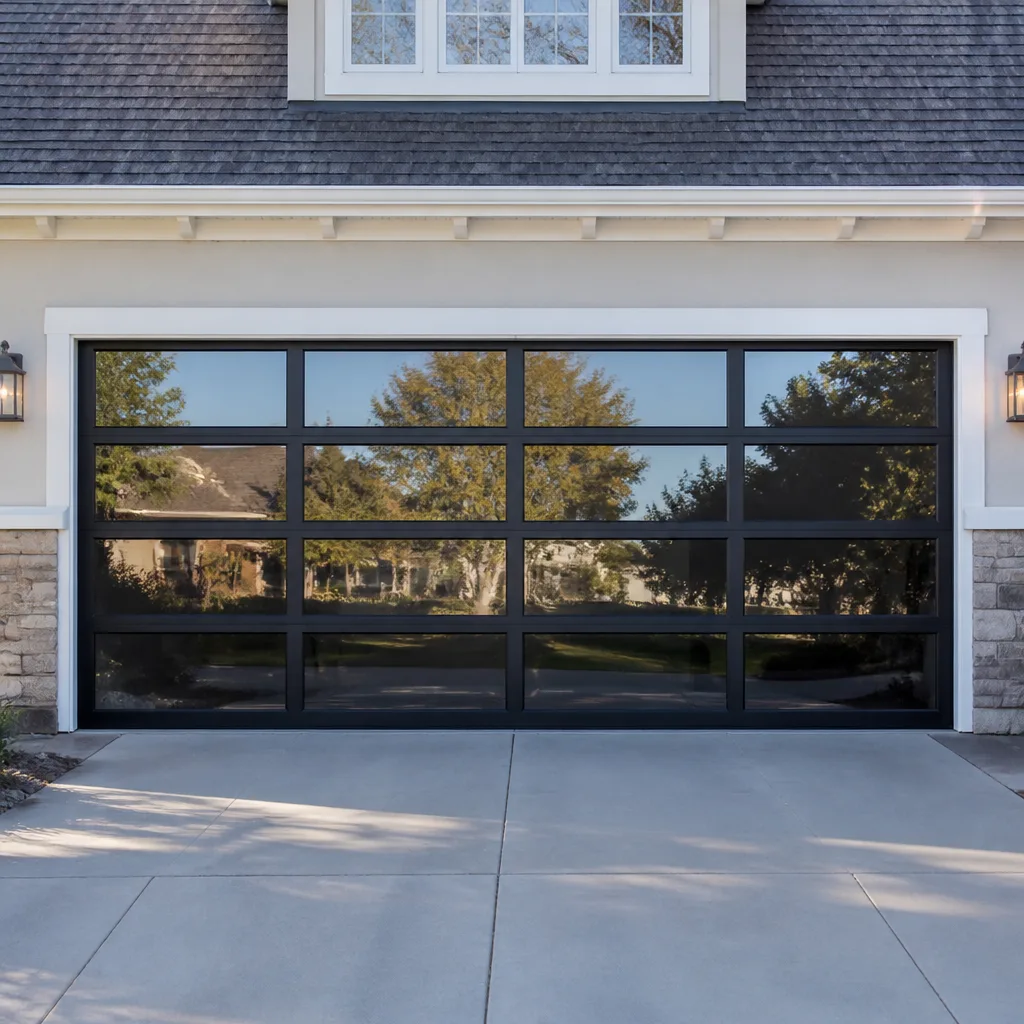 Full-view glass
 LiftMaster openers
 Chamberlain openers
Full 25-point door and opener safety check with every visit - springs, cables, rollers, tracks, and your LiftMaster or Chamberlain opener included
You get a price before we start. It does not change when the pro arrives.
Get your free estimateDIY vs Professional Garage Door: The Boise City Homeowner’s Decision Guide
Most garage door advice online draws the DIY line in the wrong place. It treats the whole door as one decision, either “try it yourself” or “call someone,” when the truth is that a garage door is a stack of very different jobs bolted together. Painting a panel and swapping a torsion spring both count as “garage door work,” and one of them can put you in the hospital. This guide sorts the tasks into three honest buckets: safe to do yourself, doable with care, and hands off no matter how handy you are. We’ll also walk through the permit question in Boise City, the real math on opener replacement, and what to document before you pick up a wrench.
Quick Answer
Some garage door tasks are safe for a careful homeowner, and others are genuinely dangerous. Painting, lubricating, replacing a bottom seal, and reprogramming an opener are all reasonable DIY projects. Anything involving torsion springs, cables, or the door’s counterbalance system is not, because those parts store enough energy to cause serious injury in an instant. For spring, cable, and track work in Boise City, call a trained technician.
Styles & brands we work with
- Raised-panel steel
- Carriage house
- Modern flush
- Full-view glass
- LiftMaster openers
- Chamberlain openers
Table of Contents
- The Three Categories of Garage Door Work
- Safe DIY Tasks Any Boise City Homeowner Can Own
- DIY With Caution: The Middle Ground
- Never DIY: The Tasks That Carry Real Injury Risk
- Why Torsion Springs Are a Different Kind of Danger
- Opener Replacement: The Cost-Benefit Math
- How Boise City Permits Affect DIY Legality
- What to Document Before You Start
The Three Categories of Garage Door Work
The single most useful thing you can do before starting any garage door project is figure out which bucket the job falls into. Not all repair work is created equal, and the gap between “swap the weather seal” and “replace the torsion spring” is wider than most homeowners realize.
Here’s how we sort it. Picture three tiers.
- Safe DIY: Cosmetic work, seals, lubrication, remote and opener programming, visual inspections. Low force involved, no stored energy, and a mistake at worst means a call to a technician rather than a trip to urgent care.
- DIY with caution: Tasks that involve the opener unit, the door’s balance, or minor hardware. You can often do these yourself, but there’s a real chance of voiding a warranty, misaligning the door, or creating a problem that costs more to fix than the original repair would have.
- Never DIY: Anything touching the torsion spring, extension springs, cables, or the door’s mounting and track alignment under tension. These components hold the entire weight of the door, and releasing that energy incorrectly is how people get hurt.
We work on garage doors all day, every day, and this sorting holds up across every brand we service, from LiftMaster openers to Clopay panels. In Boise City, where a lot of homes have doors that are a decade or more old, the balance point matters even more, because the springs on an older door may already be fatigued. A fatigued spring is the one that gives way mid-task.
The rest of this guide walks through each category in detail, with the specific tasks in each and the reasons behind the sorting. Skip ahead to whichever section answers your question, or read straight through for the full picture.
Safe DIY Tasks Any Boise City Homeowner Can Own
These are the jobs we’re genuinely happy to see homeowners handle themselves. They’re low-risk, they save you a service call, and most of them take less than an hour on a Boise City afternoon.
- Painting or staining the door panels: Cosmetic only. Clean, sand lightly, prime, and paint. No stored energy, no moving parts, no risk beyond a dripped can.
- Replacing the bottom weather seal: The rubber strip at the base of the door wears out with weather and contact. Slide out the old one, slide in the new, done. This is one of the most common repairs we see requested in Boise City homes, and it’s entirely within reach for most homeowners. It also stops the drafts and dust that come in through a worn seal.
- Lubricating hinges, rollers, and tracks: A little garage-door-specific lubricant on the moving metal parts quiets a noisy door and helps everything run smoother. Never use grease on the tracks themselves; it collects grit.
- Programming or resetting a remote or keypad: Most modern openers from Genie, Chamberlain, and others have a simple programming sequence printed on the unit or in the manual. If the remote quits, this is the first thing to try before assuming the opener is broken.
- Replacing opener light bulbs: Trivial, but worth listing because a dead light is often the first thing homeowners notice and misread as a bigger problem.
- Visual inspections: A monthly look at cables, springs, and rollers can catch a worn part before it fails. Look, don’t touch.
We tell Boise City homeowners the same thing we’d tell a neighbor: if the job doesn’t involve the spring, cable, or track alignment, you can probably handle it. And if you get partway through and aren’t sure, stop and call. A half-finished seal swap is nothing; a half-finished spring job is a serious risk.
DIY With Caution: The Middle Ground
This is where most of the “should I do it myself” questions actually land, and where the answer depends on your specific door, your comfort level, and how much a mistake would cost. These aren’t dangerous in the way spring work is, but they carry real consequences if something goes sideways.
- Replacing the opener: Manageable for a confident DIYer (more on this in the math section below), but you need to match the opener to the door’s weight and size, align the rail correctly, and set the travel limits and force settings safely. Get those wrong and the door may reverse on a person or fail to close.
- Replacing rollers and hinges: Doable, but you’re loosening hardware that holds the door in alignment, so work on one at a time and never remove more than one roller on a panel at once. A skipped step here can throw a panel out of the track.
- Replacing the weather seal on the sides and top: Similar to the bottom seal but often involves trim pieces. Straightforward, just fussy.
- Adjusting the door’s balance: If the door doesn’t stay put when you lift it halfway, the springs need attention. Do not try to correct this yourself; balance problems point straight to spring tension.
- Resetting a smart opener: Straightforward on most modern units, but a botched reset on a unit with stored settings can lock you out until a technician reconnects it.
We see a fair number of Boise City homes where a homeowner tried a middle-ground job, hit a wall, and called us halfway through. We’d rather get that call early than late. A door that comes apart mid-repair is more expensive to put right than one that never got touched. Diagnosed and fixed in one visit is the goal, whether that visit is your first attempt or ours.
The honest rule of thumb: if you can’t picture every step from start to finish, and don’t have the tools or the manual, this is where you call.
Never DIY: The Tasks That Carry Real Injury Risk
This is the section we wish more homeowners read first. These are the tasks we won’t walk a homeowner through over the phone, no matter how mechanically inclined they are. Not because we don’t believe in DIY, but because the physics involved doesn’t leave room for a first-time mistake.
- Torsion spring replacement or adjustment: The single most dangerous job on a garage door. A torsion spring is wound to counterbalance the full weight of the door, and the energy stored in a wound spring is significant. Releasing it incorrectly, or using the wrong winding bars, can cause serious injury or worse. This is a trained-technician job, full stop.
- Extension spring replacement: Similar principle, different design. Extension springs along the sides of the door are also under heavy tension and can fail violently if handled incorrectly.
- Cable replacement: Cables run alongside the springs and hold the door in tension. A snapped or loose cable whipping loose is a genuine hazard, and reattaching one requires controlling the spring tension first.
- Track replacement or realignment: Minor track nudges to get a roller back in are one thing; actually loosening and realigning the track is another. The door can come off its track and drop if the adjustment is wrong.
- Replacing the door itself: A new door is heavy, awkward, and needs precise alignment and spring tensioning. Even two strong people usually can’t do it safely, and the springs still need professional handling afterward.
We’re not saying this to sell a repair. We’re saying it because the injury risk here is real and well-documented, and it’s the one place DIY enthusiasm can genuinely hurt someone. The right fix, not the easiest upsell, means telling you plainly which jobs to leave alone.
Why Torsion Springs Are a Different Kind of Danger
Walk into any garage and look up. That horizontal bar above the door with the coiled spring is the counterbalance system, and it’s doing a lot of quiet work. A typical garage door weighs anywhere from 130 to over 300 pounds depending on size and material. You can lift it with one hand because the springs are doing nearly all of that work. Remove the springs, and you’re lifting the full weight.
Here’s the part that matters: the spring is not just a spring. It’s a spring under a specific number of turns of stored tension, calibrated to the door. Replacing one means winding the new spring to that correct tension, usually using two winding bars, and counting turns. Get the tension wrong and the door won’t balance. Get the winding process wrong and the spring releases stored energy all at once. That release is fast, unpredictable, and dangerous to hands, arms, and face.
We work with LiftMaster and Clopay systems, among others, and the physics is the same on every door. The spring doesn’t care how careful you are or how many tutorials you’ve watched. It only cares whether the tension is being managed correctly. That’s why this is the one job we never coach a homeowner through. If a spring is broken, the door should be left closed, and a trained technician called.
This is the line most DIY content gets wrong. It lumps spring replacement in with “advanced repairs” as if it’s just harder, when it’s actually a different category of risk altogether. You can become an expert at painting a garage door. You don’t become an expert at managing torsion spring energy by reading a guide.
Opener Replacement: The Cost-Benefit Math
Opener replacement is the most common middle-ground task, and it’s the one where the DIY vs. pro question deserves honest numbers. Replacing an opener yourself can save a chunk of labor cost, but it also carries a warranty risk that many homeowners don’t find out about until something goes wrong.
Here’s the trade-off in plain terms:
- DIY saves labor cost: You’re buying the opener and doing the install yourself, so the labor portion of a professional install is off the table.
- But it may void the warranty: Some opener manufacturers require professional installation to keep the warranty valid. If a LiftMaster or Chamberlain unit fails inside the warranty window after a DIY install, you may find the claim denied. That’s a repair you’d be paying for yourself on top of the money you thought you saved.
- You also need to match the unit to the door: An opener rated for a 7-foot door won’t correctly lift a heavier 8-foot insulated door. A mismatch wears the opener out early.
- And you need to set the safety features correctly: The auto-reverse and force settings are the openers’ safety systems. Set wrong, an opener can fail to reverse when the door meets an obstruction.
For many Boise City homeowners, the warranty question alone tips the scale. If the opener is under warranty or was installed recently by a pro, replacing it yourself invites a coverage headache. If you’re replacing a decades-old unit out of warranty anyway, the math leans more toward doing it yourself, provided you’re confident in the settings and the weight match.
Our rule: if the warranty is on the line, or you’re not sure the new unit matches the door, pay the labor. If it’s an older unit and you’re comfortable with the install, DIY is a reasonable choice. If you want it diagnosed and fixed in one visit with a written price agreed up front, our garage door opener repair service covers the full electronics side, from the motor to the smart controls.
How Boise City Permits Affect DIY Legality
Here’s a wrinkle that DIY guides often skip: sometimes the question isn’t whether you can do the work, it’s whether you’re allowed to without a permit. For garage door work, that depends on the scope.
Simple repairs (a spring, a seal, an opener) typically don’t require a permit. Full door replacement is different. Structural changes and replacements that involve the opening itself often fall under a city’s building permit rules. We can’t tell you whether your specific project needs a permit, because that call belongs to the city’s building department, and the rules depend on your property and the scope. But we can tell you to make that call before you start.
It’s worth a phone call or a look at Boise City’s building department requirements to confirm two things: whether your planned work needs a permit, and whether it requires a licensed contractor. If it’s a same-day repair, you almost certainly don’t need a permit. If it’s a full replacement, check first. A permit pulled after the fact is a bigger hassle than one pulled before.
For Boise City homeowners in older neighborhoods like the North End or the Depot Bench, where doors and openings have often been modified over the years, the permit question can get more involved. That’s a good reason to have a clear scope in hand before you talk to the city at all. If you’re unsure, our garage door repair team can talk you through what a typical repair involves versus a full replacement, so you know which questions to ask at the permit office.
What to Document Before You Start
If you’re going to attempt any DIY task, take ten minutes to document the door before you touch a thing. If something goes wrong, that documentation is what lets a technician recover the job quickly instead of starting from scratch. It also protects you on warranty claims.
- Photograph the door in the closed position, straight on, so the full panel layout is visible.
- Photograph the label on the opener and the door showing the make, model, and any serial numbers. Brand and model matter, whether it’s a Genie opener or an Amarr door, and a technician needs both to bring the right parts.
- Photograph the springs, cables, and the mounting brackets where they meet the door and the wall. If a part is replaced incorrectly, a photo of how it looked before is gold.
- Note the door’s balance: Does it stay halfway up when you lift it by hand, with the opener disconnected? Write down what you observe before you change anything.
- Photograph the tracks from the floor up, so the alignment can be compared before and after.
- Keep your receipts and the door’s manual. If you later need a warranty service, the paperwork is what gets it approved.
- Write down any noises or symptoms you noticed (a grinding, a squeal, a pause) in your own words. A technician can often diagnose a problem from a good description before arriving.
We’ve seen the difference a good set of photos makes. A homeowner who documents their door before a failed DIY attempt gives us what we need to diagnose fast, and it means the door gets fixed in one visit instead of spilling into two. That’s a small step that pays off in real time.
Common Mistakes to Avoid
- Treating the spring as just another part. It isn’t. It’s the one component that stores enough energy to injure you, and treating it like a heavier hinge is the most dangerous mistake we see. Leave it to a trained technician.
- Buying an opener that doesn’t match the door. A unit sized for a lighter door will work overtime on a heavier one and wear out early. Check the door’s weight and height before you buy, whether it’s a Chamberlain or any other brand.
- Skipping the permit call. In Boise City, a full replacement or structural work can require a permit, and starting without confirming ties the project up in a way that costs more than the call to the building department would have.
- Removing more than one roller at a time. A roller swap is fine as long as you keep the door supported. Take out several at once and a panel can come out of the track.
- Setting the opener’s force and travel wrong. These are the opener’s safety features. If it doesn’t reverse on obstruction, a mistake can become a bigger problem. Recheck the settings after any opener work.
- Greasing the tracks. Lubricant belongs on the rollers and hinges, not the tracks. Grease in the tracks traps grit and can make the door run worse, not better.
- Assuming a dead door is a dead opener. Sometimes the problem is a worn spring or a misaligned rail, not the motor. A quick check saves buying a replacement you didn’t need.
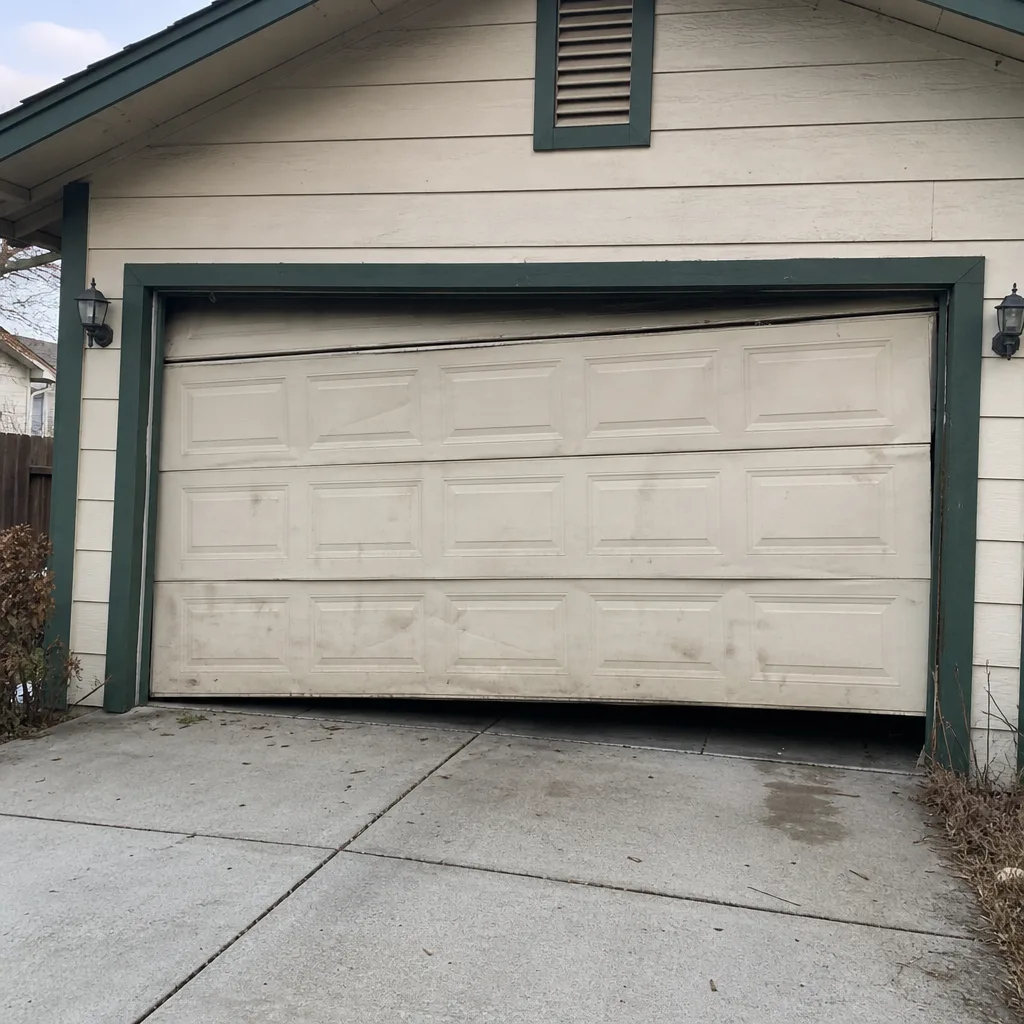
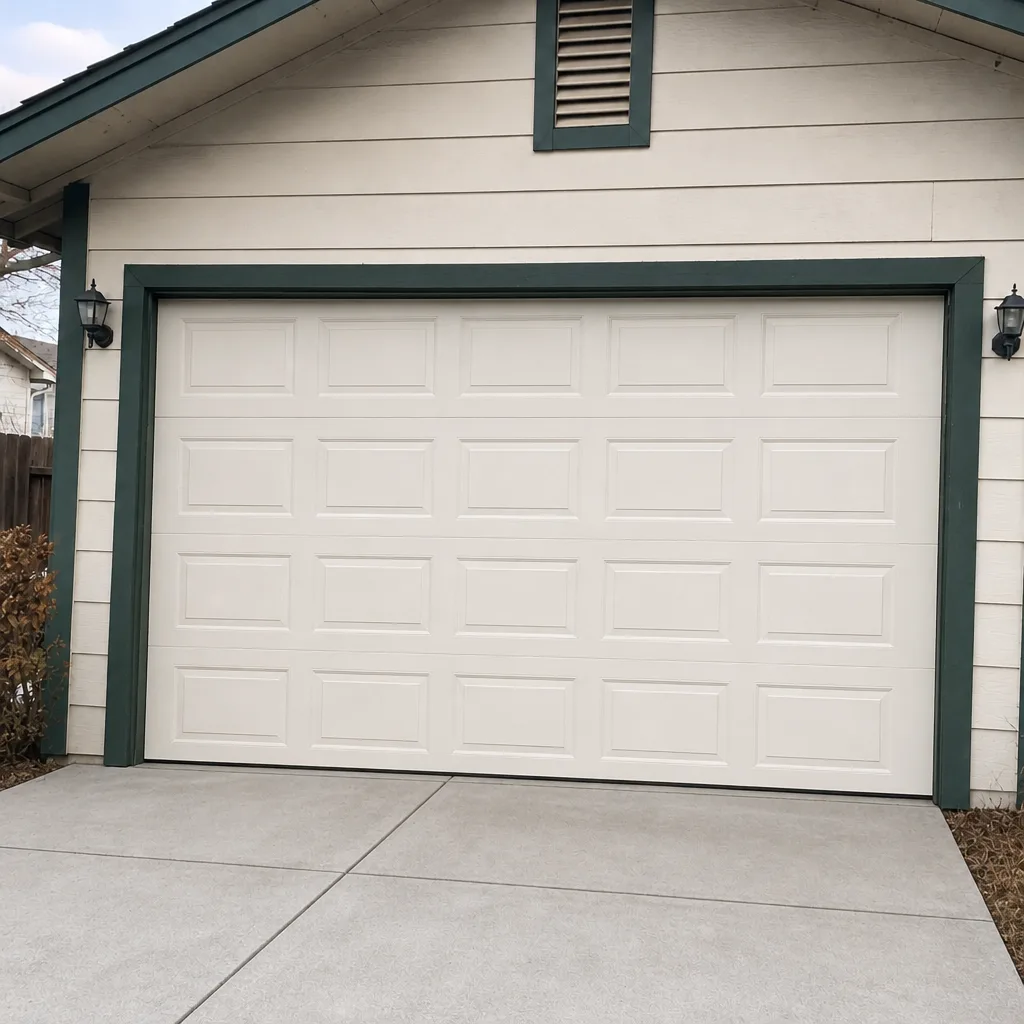
See the difference
 Before
 After
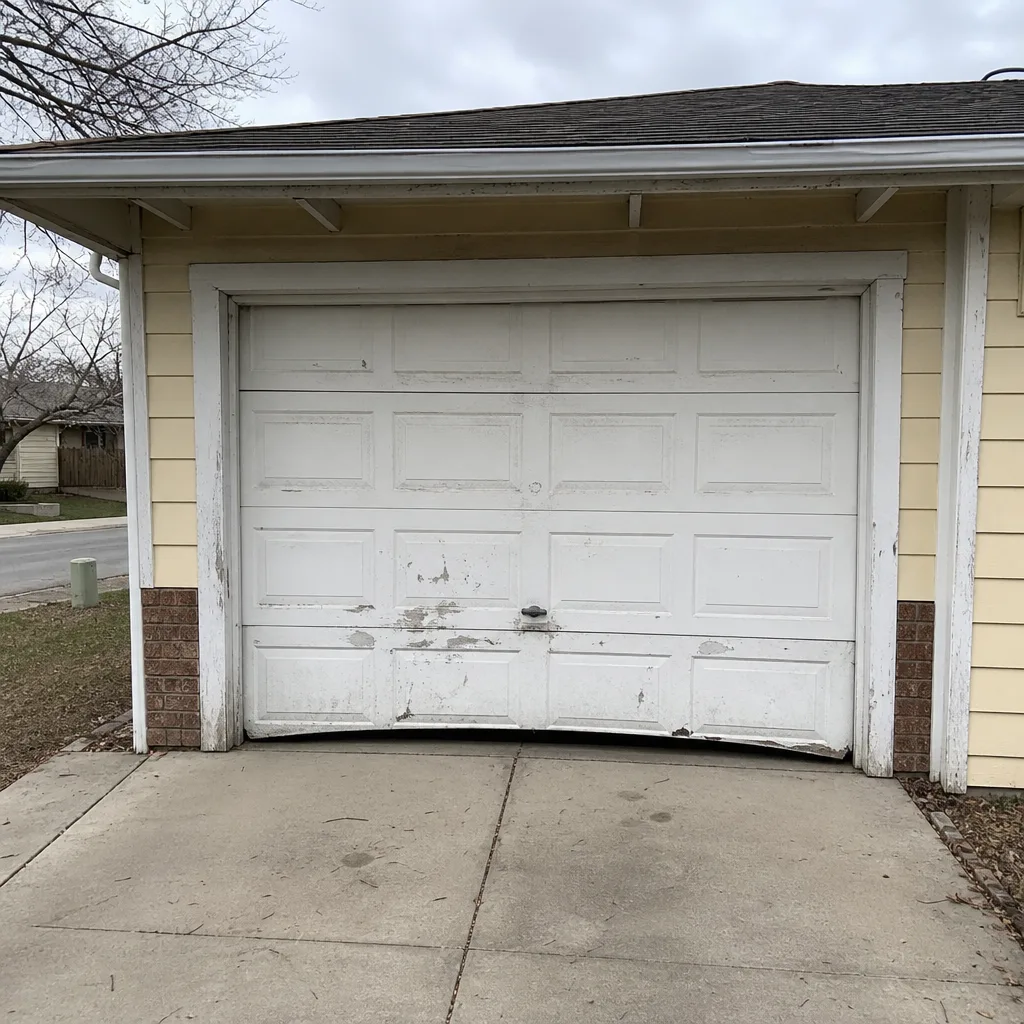 Before
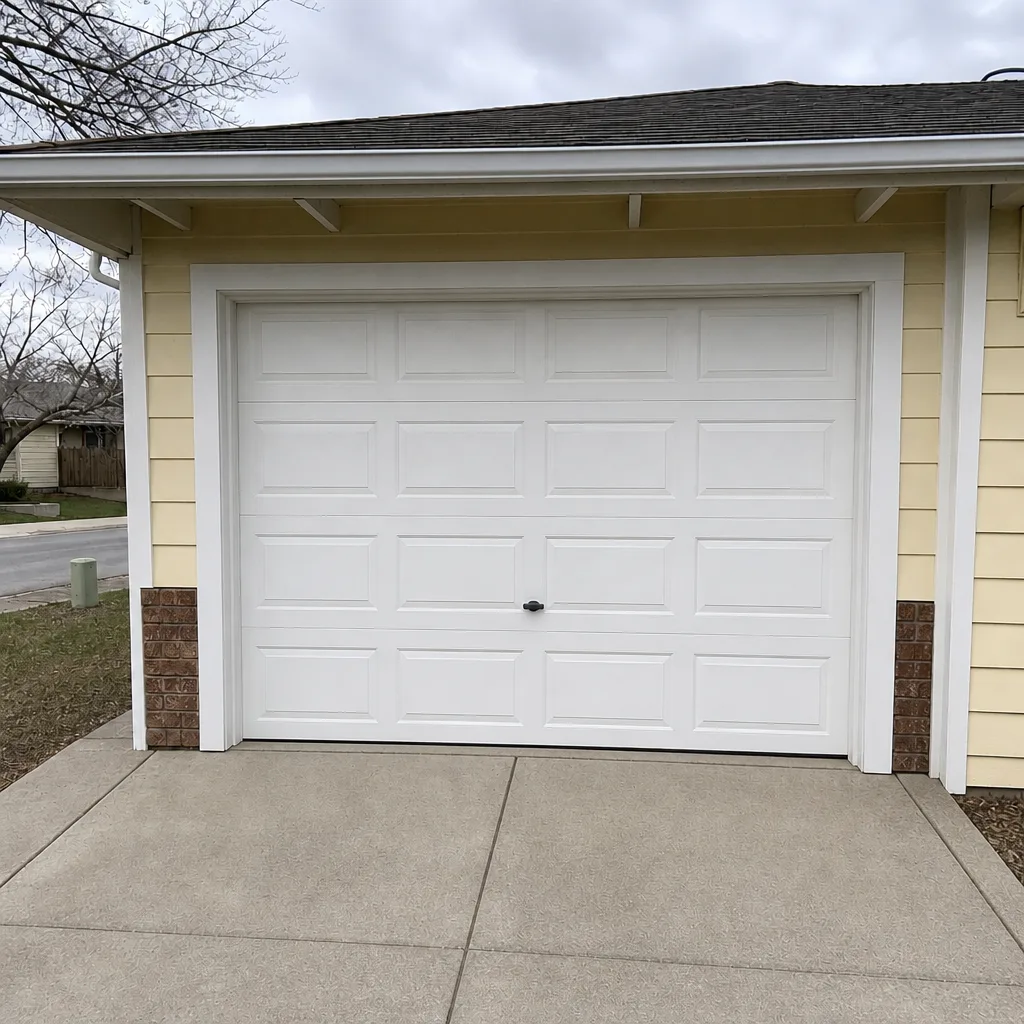 After
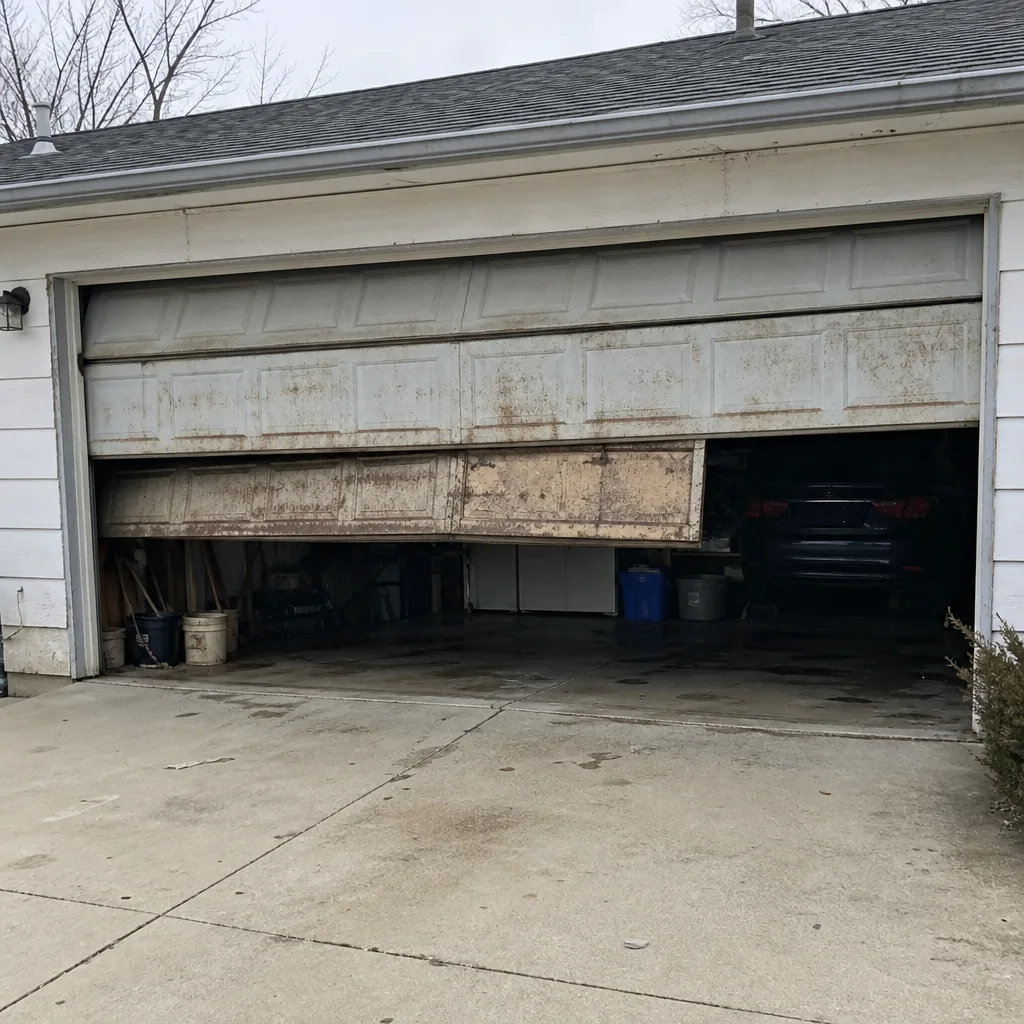 Before
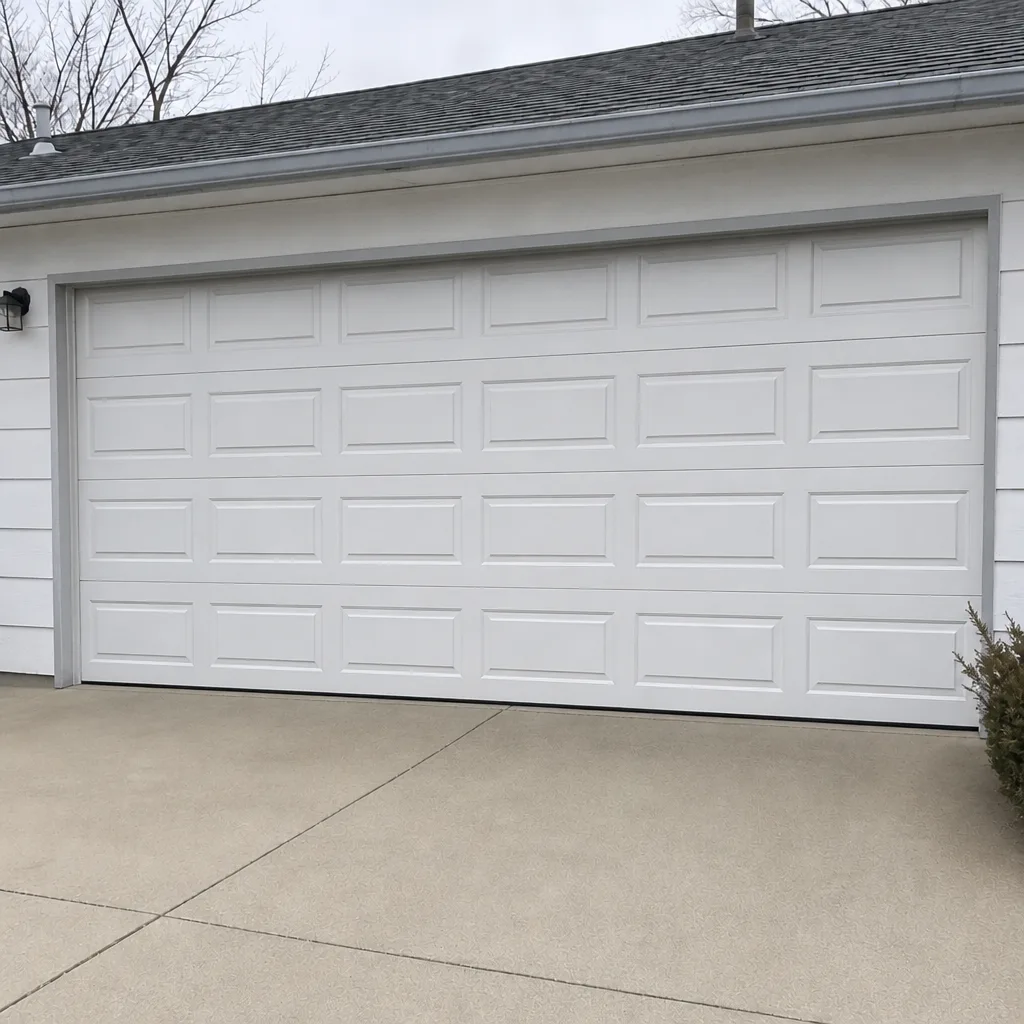 After
When to Call a Professional
Call a professional the moment the job touches a spring, a cable, or track alignment. Call if the door is visibly off its tracks, if it won’t stay up when lifted, or if it drops faster than it should when closing. Those are all signs of a counterbalance problem, and the correct response is to stop using the door and have it looked at. Call before a DIY attempt if the warranty on your opener or door is still active, since a professional install keeps that coverage intact. And call if you’ve started a middle-ground task and hit something that doesn’t match the manual, because a door that comes apart mid-repair is more expensive to put right than one that was never touched.
Arbor Garage Door Repair offers free estimates in Boise City, and we can tell you plainly whether the job is one to tackle yourself or one to hand to a technician. Call (833) 467-9147. We answer 24/7, with fast dispatch from 7am to 7pm, Sunday through Friday.
Frequently Asked Questions
No. Torsion springs are wound to counterbalance the full weight of the door, and the stored energy can cause serious injury if released incorrectly. This is the one garage door task we recommend no homeowner attempts, regardless of experience. Call a trained technician instead. For a free estimate in Boise City, call (833) 467-9147.
Painting, lubricating hinges and rollers, replacing the bottom weather seal, programming remotes and keypads, and visual inspections are all safe for most homeowners. Boise City homes with worn bottom seals are one of the most common cases we see, and swapping that seal is entirely within reach. For anything involving springs or cables, call us for a free estimate at (833) 467-9147.
Full door replacement often does, while simple repairs usually don’t. The rules depend on the scope of work and your property, so check with Boise City’s building department before you start. A quick call now saves a bigger headache later. If you’d rather have a technician handle the permit-sensitive work, call (833) 467-9147.
You save the labor portion of the install, but you may void some openers’ warranties in the process. That’s a risk that can cost more than the labor you saved if the unit fails later. If the opener is under warranty, professional installation keeps that coverage intact. For a written estimate, call (833) 467-9147.
Usually yes, because a door that won’t close is often a spring, cable, or alignment problem, and those are the dangerous ones. A technician can diagnose it in one visit rather than you guessing at parts. We answer 24/7, with fast dispatch from 7am to 7pm, Sunday through Friday. Call (833) 467-9147.
Photos of the door, the model labels, and any symptoms you’ve noticed. That lets the technician bring the right parts and diagnose faster. It’s the same documentation that helps you avoid a second visit. To book a free estimate, call (833) 467-9147.
The Bottom Line
The DIY vs. professional question for a garage door isn’t about skill level. It’s about risk, and the risk isn’t evenly distributed across the door. Painting, seals, lubrication, and opener programming are yours to own. Opener replacement is a judgment call, and the warranty is usually what decides it. Springs, cables, and track alignment are hands off, no matter how handy you are. Boise City homeowners who sort their project into the right bucket before starting save time, money, and the occasional injury. And when a job crosses into the hands-off category, the smart move is to call a specialist rather than a generalist. If you want a straight answer on your specific door, our team at Arbor Garage Door Repair works on the brand you already have, from the spring to the smart opener, and we’re glad to talk you through it.
For a clear read on your door, the full scope of what a repair involves in Boise City, and a free written estimate agreed before any work begins, call (833) 467-9147. We answer 24/7. Fast dispatch from 7am to 7pm, Sunday through Friday.
Written by the team at Arbor Garage Door Repair.