
Last updated November 15, 2026
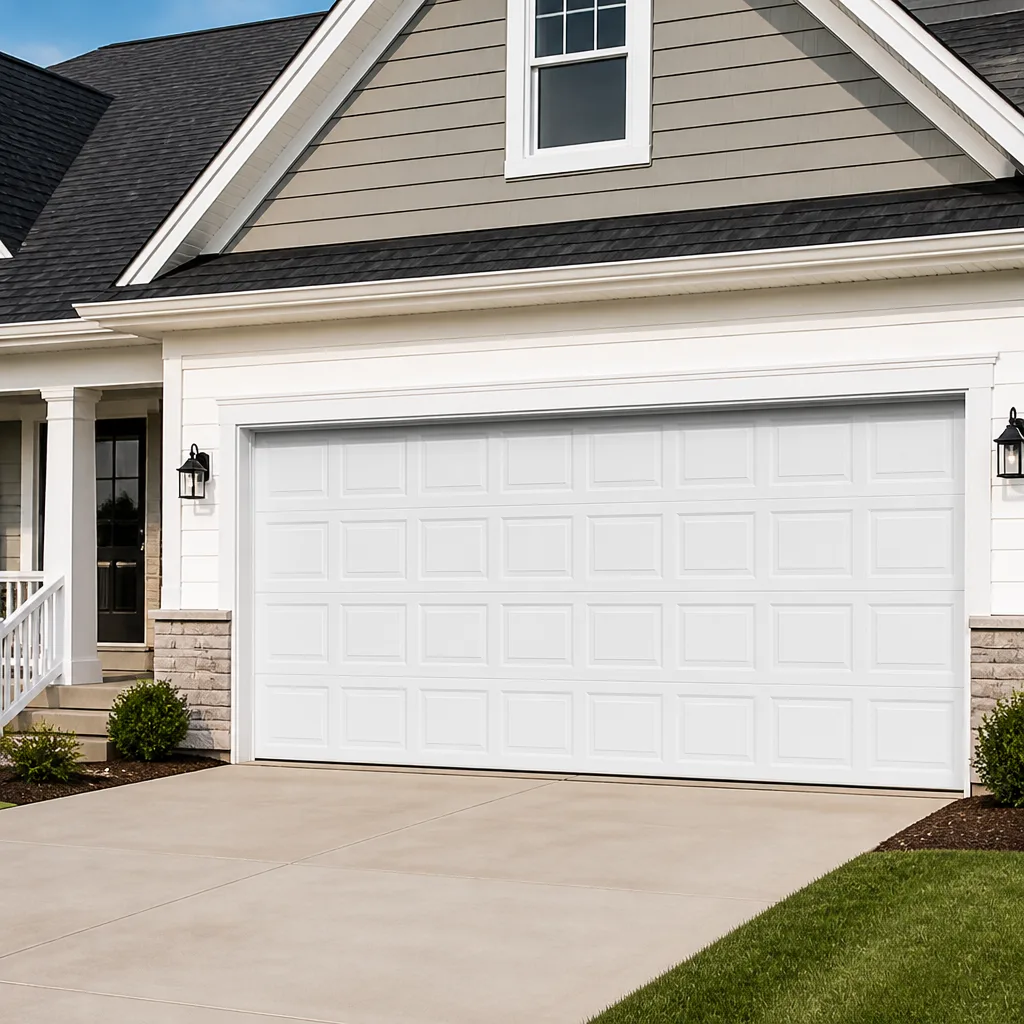 Raised-panel steel
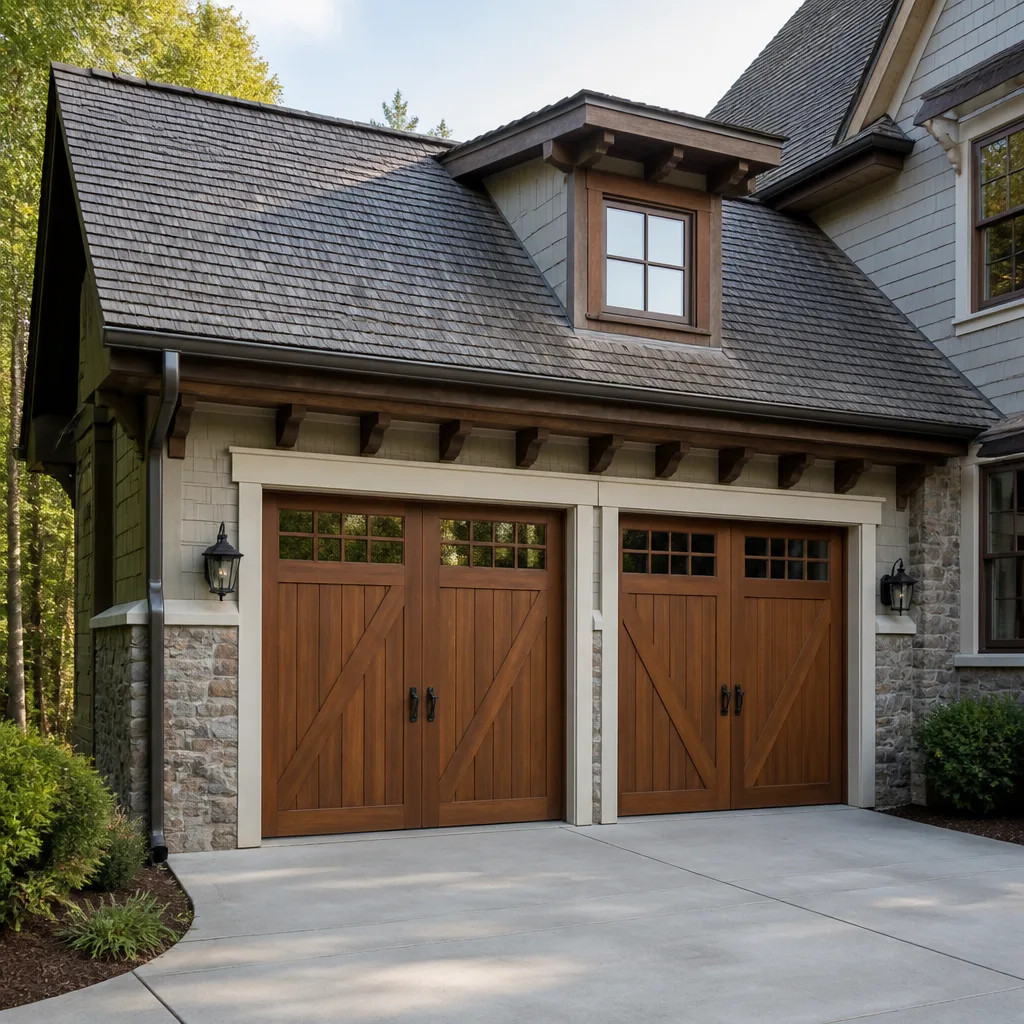 Carriage house
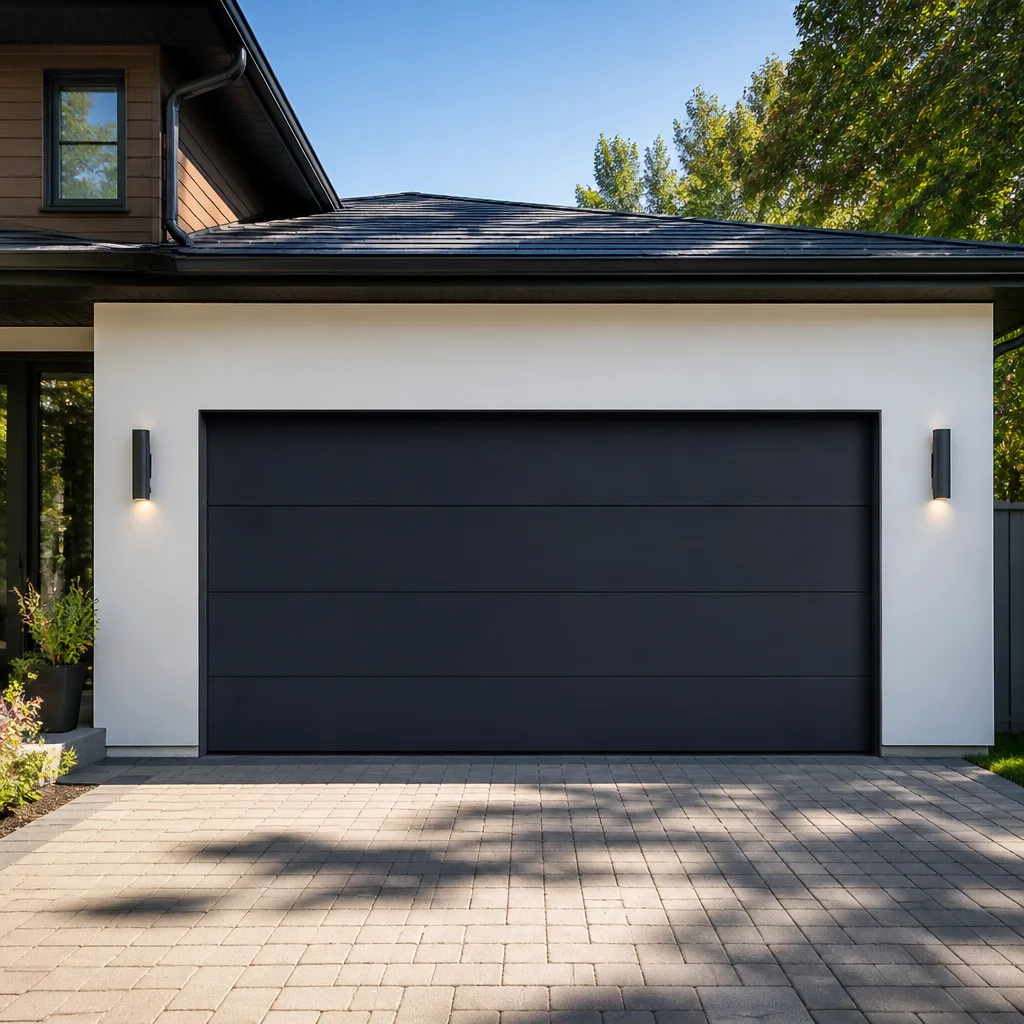 Modern flush
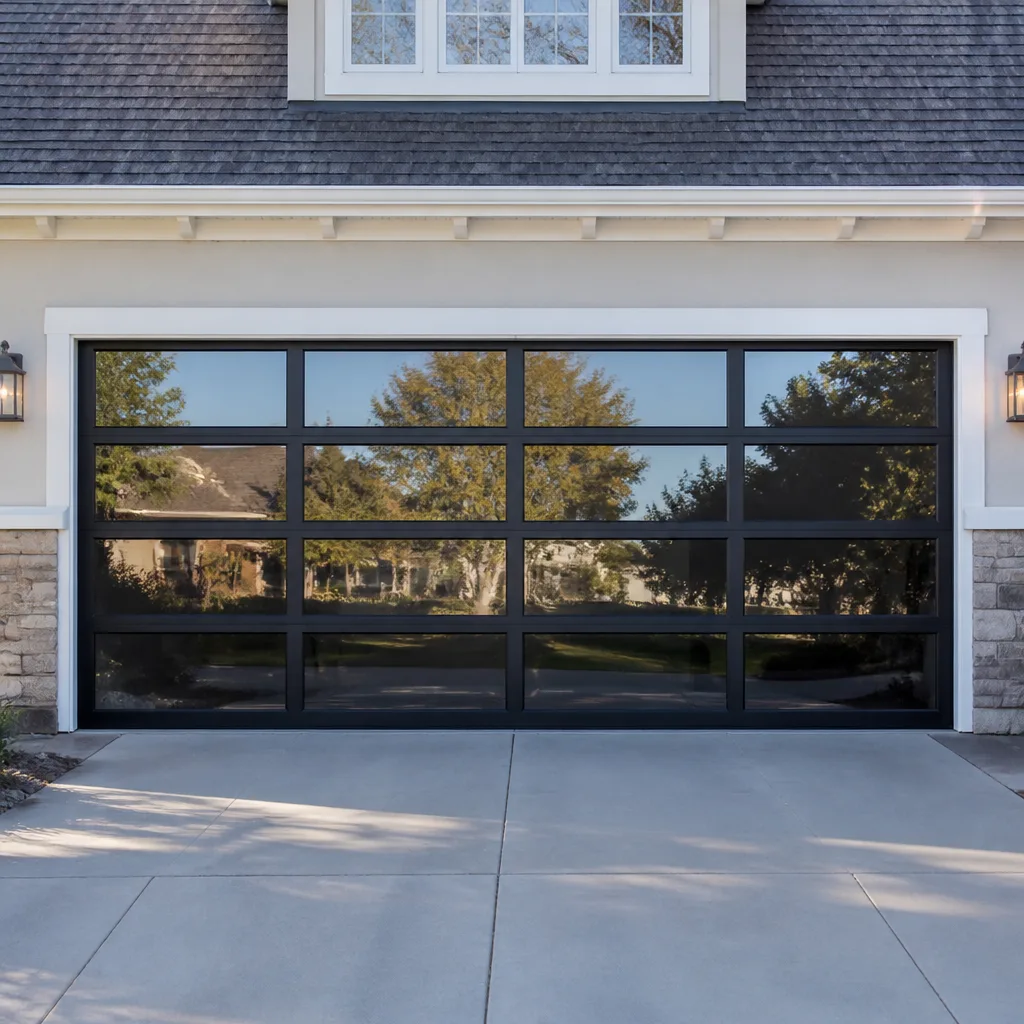 Full-view glass
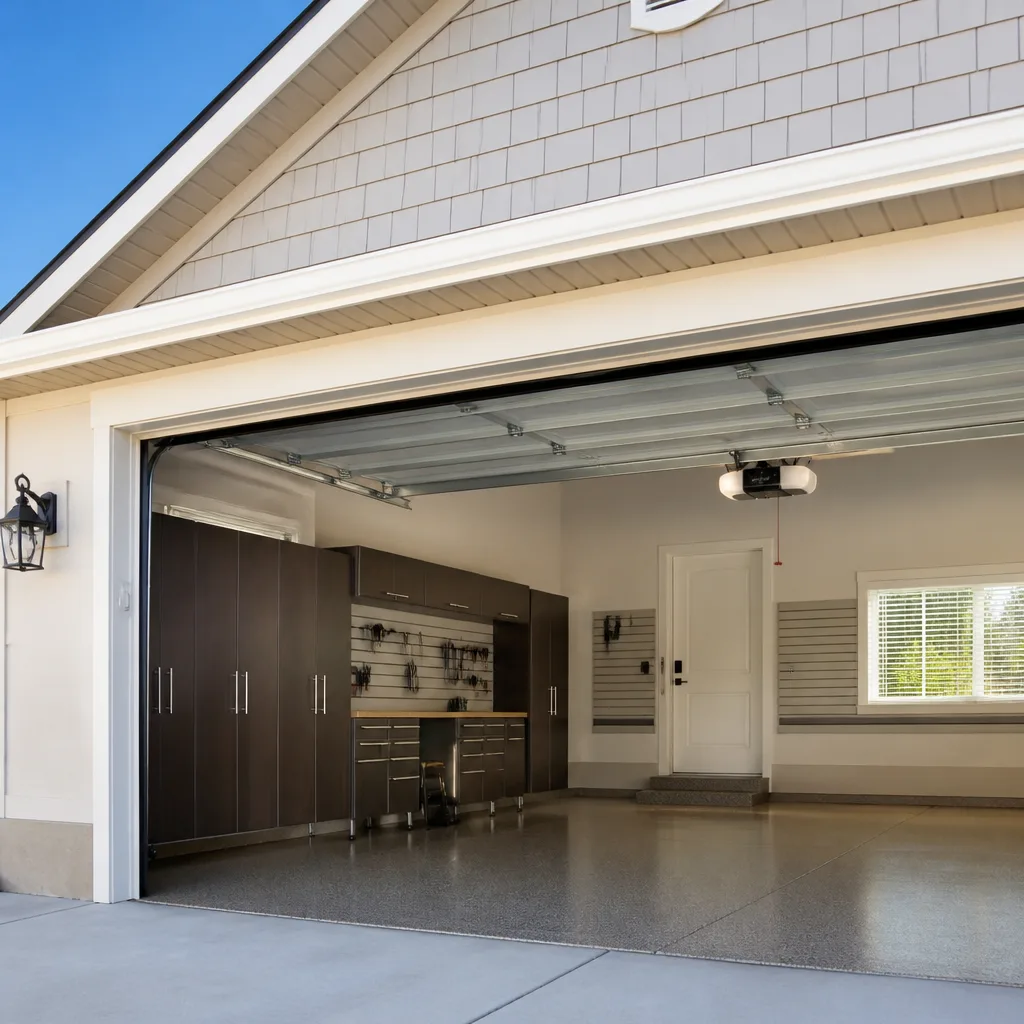 LiftMaster openers
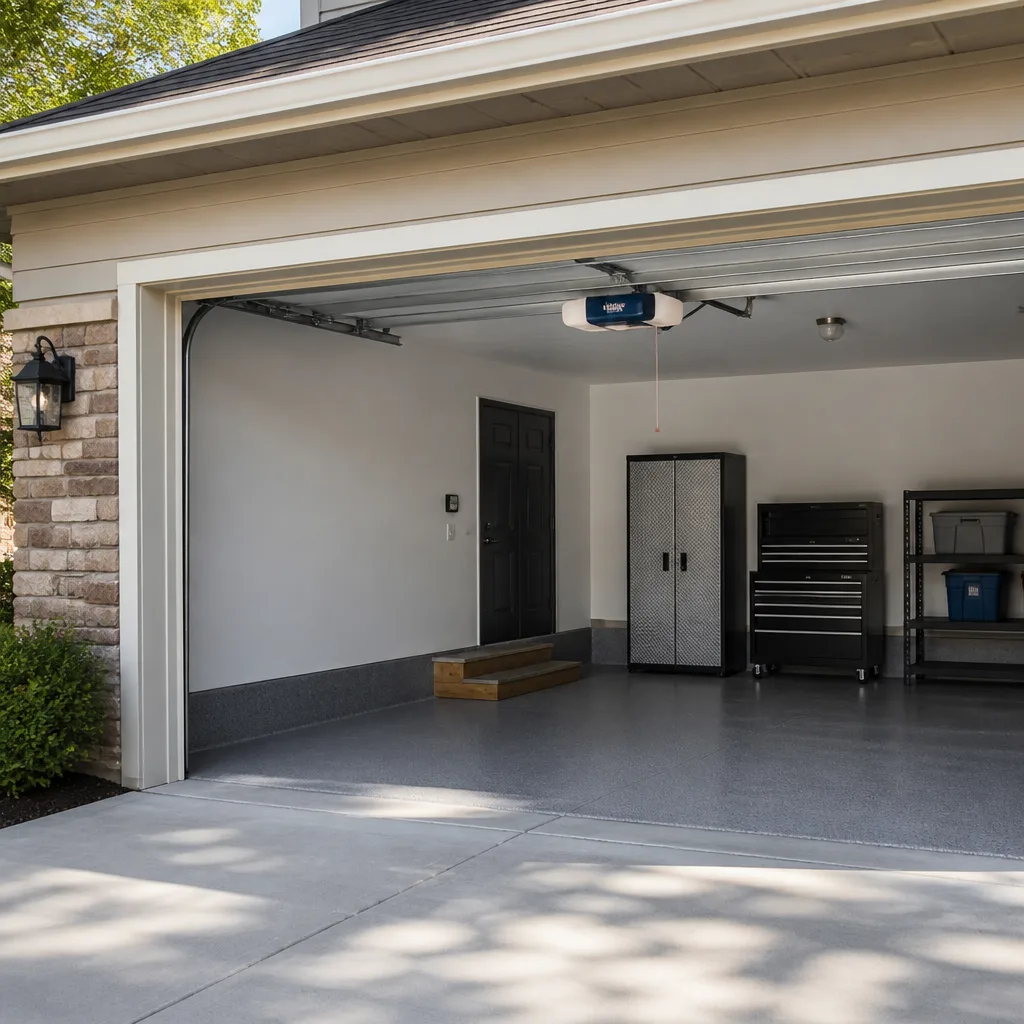 Chamberlain openers
Full 25-point door and opener safety check with every visit - springs, cables, rollers, tracks, and your LiftMaster or Chamberlain opener included
You get a price before we start. It does not change when the pro arrives.
Get your free estimateThe Complete Guide to Garage Doors in Boise City
Most homeowners in Boise City think about their garage door exactly twice: the day it’s installed and the day it stops working. That’s a mistake, because the door is the largest moving mechanical system in the house. It weighs hundreds of pounds, runs a spring under serious tension, and in a busy household it can cycle more than a thousand times a year. Between the opener on the ceiling and the bottom panel on the floor are tracks, rollers, hinges, cables, weather seals and a torsion system that all wear at different rates. This guide walks through how those parts actually behave in Boise City’s high-desert climate, how to tell a door that merely opens from one that’s balanced and sealed, and how to decide between repair and replacement without guesswork.
Styles & brands we work with
- Raised-panel steel
- Carriage house
- Modern flush
- Full-view glass
- LiftMaster openers
- Chamberlain openers
Quick Answer
A garage door in Boise City needs the same informed ownership as an HVAC system or a roof: scheduled checks on springs, cables, rollers and seals, an honest look at balance and insulation, and a repair-or-replace call based on age, condition and how the garage is used. The dry high-desert climate swings between sub-zero winters and 100°F summers, and that range is hard on seals, lubrication and opener components. If something in the system has failed or feels unsafe, have it looked at by a trained technician rather than working around it.
Table of Contents
- Why the Garage Door Deserves Real Attention
- How Boise City’s High-Desert Climate Stresses Specific Parts
- What “It Works” Really Means: Balanced, Sealed and Rated for Use
- The Brand Landscape and Why It Matters for Parts
- Permits in Boise City: When a Door Swap Triggers Code Review
- Repair or Replace? A Decision Tree for Boise City Homes
- A Maintenance Schedule You Can Actually Keep
- Safety: What to Check and What Never to Touch
- Common Mistakes to Avoid
- When to Call a Professional
- Frequently Asked Questions
- The Bottom Line
Why the Garage Door Deserves Real Attention
A garage door isn’t a static panel. It’s a counterweighted machine. The springs carry most of the door’s weight so that the opener only has to guide it up and down. When the springs, cables, rollers and hinges are all doing their jobs, a small opener motor can lift a door that would otherwise be impossible to move by hand. When one part of that balance drifts, the whole system works harder, and something else starts to fail.
That cascade is why so many garage door problems look sudden. A spring that’s been losing tension for months finally snaps. A roller that’s been flat for a year starts chewing through the track. An opener that’s been straining against an unbalanced door finally burns out its gear. None of those failures happen overnight; they just become visible overnight.
Homeowners in Boise City live with this system more than most people realize. In winter, the door is the barrier between a heated house and a cold garage. In summer, it’s what keeps the afternoon heat from baking the space behind it. In a lot of Boise City homes the garage is also the main entry point, which means the door cycles more than it would in a house where everyone parks in the driveway and walks to the front door.
- The spring system carries the weight and is the part most likely to fail without warning.
- Cables and drums transfer the spring’s energy to the door and are a strict no-touch zone.
- Tracks, rollers and hinges guide the door and wear gradually, usually with audible symptoms.
- Weather seals and bottom astragal keep out dust, wind and pests, and take the worst of the climate.
- The opener and controls handle lifting, safety reversal, remote operation and, increasingly, smart-home integration.
Once you can name the parts, the rest of this guide stops sounding like a list of mysterious failure modes and starts sounding like a maintenance checklist. That’s the goal: informed ownership, not anxiety.
How Boise City’s High-Desert Climate Stresses Specific Parts
Boise City sits in a high desert, and that changes the failure pattern compared with what you’d see in a humid or coastal market. The two extremes matter more than any single season. Winters here get down to sub-zero stretches, and summers push past 100°F. The door doesn’t just get cold and hot; it gets cycled through both over and over, and every material in the system responds differently.
Cold-season stress
- Steel panels contract in the cold, and the paint and finish on older doors can develop hairline cracks at the panel seams.
- Weather seals get stiff and lose their compression, so the door starts to leak air, dust and the odd insect at the bottom corners.
- Lubrication thickens in cold weather, which makes rollers and hinges noisier and adds load to the opener.
- Tracks can shift slightly as the framing around them moves with temperature, and a door that ran clean in October can start scraping in January.
Warm-season stress
- Seals soften, sometimes to the point of sticking to the floor or the frame, which is hard on the opener.
- Opener electronics sit in an attic-like space that gets very hot; heat shortens the life of control boards, capacitors and motor windings.
- Wood and composite components move and dry out, which can throw off alignment on older doors.
There’s a positive side. Boise City’s dry air is gentler on hinges, springs and hardware than a humid climate would be, so rust-through on quality hardware is less of a worry here. The failure pattern here is dominated by mechanical wear and thermal cycling, not corrosion. That means the parts that die first tend to be springs, seals, rollers and opener electronics, and the parts that last are the structural panels and heavier hardware.
One practical consequence: the twice-yearly tune-up that gets recommended in a lot of generic garage door content actually lines up well with this climate. A check in late fall before the first hard freeze and a check in late spring before the summer heat both catch problems at the season where they tend to emerge.
It also means opener failures here often look like electronics failures rather than mechanical ones. If your opener runs but won’t lift, or lifts halfway and stops, that’s the kind of problem that belongs with garage door opener repair rather than a mechanical adjustment on the door itself.
What “It Works” Really Means: Balanced, Sealed and Rated for Use
A garage door can open and close and still be in bad shape. The three tests that separate a door that “works” from a door that’s actually healthy are balance, seal and use load. None of them require tools, and any homeowner can run them in a few minutes.
1. Balance
Disconnect the opener using the manual release (usually a red cord on the trolley). Lift the door about halfway by hand and let go. A properly balanced door should hold roughly where you left it, or drift down only slowly. If it slams down, the springs are losing tension. If it wants to fly up, the springs are over-tensioned. Either way, the opener has been doing work the springs should be doing, and it’s been doing it for a while.
2. Seal
Close the door and look at the gaps at the bottom corners and along the sides. A dollar bill should drag when you slide it under the bottom seal and pull it out. If it slides out easily, the seal has lost its compression. In Boise City’s dust and wind, that gap is how fine grit and dry leaves get into the garage, and in winter it’s how cold air gets into the house through the shared wall.
3. Use load
The same door isn’t the same door in every house. A single-car door that cycles twice a day has a very different wear profile than a double-car door in a busy household where the garage is the main entry. Doors are generally rated for a certain number of cycles, and the honest question is whether the door you have is matched to how you actually use it, or whether it’s being asked to do more than its design intended.
If any of the three checks comes back off, that’s the moment to have a trained technician look at it. A thorough diagnostic is often the first step in garage door repair, and it usually turns up more than one small issue at once, because the parts wear together.
The Brand Landscape and Why It Matters for Parts
Brand matters less at the point of install and more at the point of repair. A door that was installed with a brand everyone in Boise City stocks parts for will be easy to fix ten years later. A door from a less common line can turn a simple hinge replacement into a week-long wait for the right part.
In our experience, a handful of names dominate residential installs in Boise City:
- LiftMaster and Chamberlain are the two most common residential opener brands. LiftMaster tends to show up on higher-end new builds and Chamberlain on more retrofit and consumer-installed jobs. Both use a broad ecosystem of remotes, keypads and safety sensors, which is why you’ll find compatible parts readily.
- Clopay is one of the most common steel door manufacturers on the residential side, with a range of panel styles and insulation levels. Because Clopay doors are everywhere, replacement sections and hardware are easy to source.
- Amarr, Wayne Dalton, Craftsman and Raynor also show up in Boise City homes, and each has its own hardware quirks: mounting patterns, roller sizes, spring configurations and opener interfaces that a technician familiar with the brand will recognize faster.
- Genie remains common on older installs and is still a straightforward brand to service and support.
Why this matters: technicians at Arbor Garage Door Repair are trained on LiftMaster, Chamberlain, Genie, Clopay, Amarr, Wayne Dalton, Craftsman and Raynor, which means most Boise City homes are already covered without a brand-compatibility guess. If a homeowner has a LiftMaster opener and a Clopay door, the technician doesn’t have to research the combination or guess how the opener interfaces with the door; both are familiar ground.
The other benefit is fewer return visits. A mismatched component is one of the most common reasons a repair doesn’t hold: a roller that’s the wrong size for the track, or an opener that’s paired with a door it was never designed to lift. Working daily with the same brands means a technician is more likely to bring the right part the first time.
One thing to check when buying a home in Boise City: find the sticker on the opener and the label on the inside of the door. Knowing the exact model makes future repair and parts sourcing much easier, and it’s the first thing anyone on the phone will ask when you call for help.
Permits in Boise City: When a Door Swap Triggers Code Review
Not every garage door job needs a permit. That’s the short version. The longer version is that the answer depends on what’s actually changing, and it’s worth understanding before you sign a contract, because the difference between a permit-free replacement and an inspection-triggering one usually comes down to structure, not cosmetics.
Usually permit-free
- Like-for-like door replacement in the same opening, same size, same opening mechanism (a sectional door replaced with a sectional door).
- Spring, cable, roller and hinge replacement. These are maintenance and repair items.
- Opener replacement with a comparable unit in the same location.
- Weather seal and bottom astragal replacement.
Usually triggers review
- Adding a new garage opening or converting a wall section into a door.
- Changing the door’s structural role, such as swapping a solid wall for an opening or changing the header.
- Relocating an opener or changing its mounting substantially, especially if it involves new framing or electrical work.
- Any change that affects the firewall between the garage and the house, which matters because the door assembly is part of that separation.
The exact threshold in Boise City comes from the city’s building department, and it’s never a bad idea to confirm directly. A quick call to the department with the specifics of your job (door size, mechanism, whether the opening or framing is changing) will get you a clear answer, and a good installer will already know the local process. If a contractor can’t tell you whether your specific job needs a permit, that’s a useful signal about how they work.
Repair or Replace? A Decision Tree for Boise City Homes
This is the question that costs homeowners the most money in either direction. Replace too early and you’ve spent on a door that had years left. Replace too late and you’ve poured repair money into a door that was always going to need replacing. Use these questions in order and the answer usually becomes obvious by the fourth one.
- How old is the door? Sectional steel doors in a dry climate typically have a long service life, and age alone isn’t a reason to replace. If the door is older but the panels, tracks and structure are all in good shape, repair usually makes sense. If the panels are failing at multiple seams, replacement is the honest answer.
- Is the failure isolated or systemic? One broken spring on an otherwise healthy door is a repair. A door with sagging panels, worn tracks, failed hinges and a spring that’s already been replaced twice is telling you something different.
- How well does it insulate? If the garage shares a wall with living space and the current door is a single-layer panel with no insulation, upgrading to an insulated door changes how the room behind it feels in both summer and winter. Boise City’s climate makes that upgrade meaningful, especially in a garage that’s used as a workshop, home gym or mudroom.
- How is the garage actually used? A storage garage and a main-entry garage put the door through different amounts of wear. A door that’s been used as the family’s front door for years may be at the end of its cycle life even if it looks fine from the street.
- Does the opener match? If the current opener is old enough that replacement parts are hard to find, and the door needs substantial work anyway, it sometimes makes more sense to pair a new door with a new opener than to keep chasing parts.
There’s a bias to work against in that decision tree. The easiest upsell is a new door. The right fix is often a repair, and it should be described that way: what failed, why it failed, what a repair involves, and what to watch for next. A technician who explains the tradeoff honestly is worth more than one who quotes replacement on the first visit.
For a full installation, speed is the wrong priority. New doors are measured, ordered and scheduled, and a written price should be agreed before any work starts. If a quote is vague on timing or materials, ask for it in writing.
A Maintenance Schedule You Can Actually Keep
Most garage door maintenance advice is so long nobody follows it. Here’s a shorter version, organized by how often it needs to happen, that will actually catch problems in a Boise City home.
Monthly
- Press the opener button and watch the door travel. Listen for grinding, popping or scraping.
- Test the safety reversal: put a small object in the door’s path and confirm the door stops and reverses.
- Look for anything obviously loose at the hinges and bottom brackets.
Twice a year
- Lubricate the rollers, hinges and track with a proper garage door lubricant (not WD-40, which is a solvent and won’t last).
- Run the balance test described earlier.
- Inspect the weather seal and bottom astragal for cracks, tears or flattening.
- Check the bolts on the door and track, and tighten anything that’s worked loose.
Annually
- Have a technician inspect the springs, cables and drums, take an honest look at track alignment, and check the opener’s gearing and electronics.
- Consider whether the door’s insulation still matches how the space is used.
None of that requires anything beyond a visual check and a can of lubricant. But it’s genuinely useful, because it catches small issues while they’re still small. A noisy roller is a thirty-second fix. The same roller left alone chews the track, which is a much bigger job.
Safety: What to Check and What Never to Touch
Two components of a garage door system are genuinely dangerous, and it’s worth being direct about them. The torsion spring stores enormous energy, and the cables and drums transfer that energy to the door. If a spring is broken or a cable is loose, do not attempt to adjust it. Torsion systems can release their stored energy instantly and cause serious injury even to a careful, experienced DIYer. A trained technician uses the right winding bars, the right technique and a proper safety routine precisely because there’s no margin for error.
If a spring has snapped, leave the door closed if you can, keep cars and kids clear, and have it looked at rather than trying to open it manually. If the door is down and won’t move, don’t force it.
Everything else on the door is fine to check and, in most cases, fine to adjust yourself:
- Roller lubrication and visual inspection.
- Weather seal and bottom astragal replacement.
- Testing the safety reversal.
- Checking that photo-eye sensors are aligned and clear.
- Testing remote and keypad function.
If something looks off in the safe-to-check list, get it seen before it becomes a spring, cable or opener problem. An expert’s job is to flag the danger clearly and take the dangerous work off your hands.
Common Mistakes to Avoid
- Ignoring a noisy door. Noise is usually the first sign that rollers or hinges are worn. Left alone, it wears the track and adds load to the opener, which turns a cheap fix into an expensive one.
- Using the wrong lubricant. WD-40 and similar solvents dry out the rollers and attract dust. A proper garage door lubricant is what the hardware was designed for. In Boise City’s dusty air, the wrong product makes the problem worse.
- Assuming a permit isn’t needed without checking. Like-for-like replacement usually doesn’t need a permit. Structural changes do. Call the Boise City building department with the details of your specific job rather than relying on a general rule.
- Replacing a door because of one spring. A single failed spring on an otherwise healthy door is a repair, not a replacement. Get a clear explanation of what actually failed before agreeing to a new door.
- Disconnecting the opener and forgetting to reconnect it. If you use the manual release for a balance test, re-engage the trolley afterward. Otherwise the opener runs with the door disconnected and can be damaged.
- Treating the garage door as an afterthought during a remodel. If you’re renovating a garage into living space, the door is now part of the building envelope. Insulation, seal and the door’s fire separation role all become part of the project.
- Using a general handyman for a spring or cable job. These are specialty components. A specialist has the tools, the training and the brand familiarity to do the work safely and to the right specification.
When to Call a Professional
Call a professional whenever the failure involves a spring, a cable or a drum. Those are the parts that can hurt you. Call when the door is visibly off its tracks, when it’s sagging on one side, or when the opener runs but the door doesn’t move cleanly. Call when a door that used to be quiet has become loud, or when the balance test shows the door falling or rising on its own. Call when the opener’s electronics start behaving oddly, when a remote needs to be re-programmed repeatedly, or when the safety reversal fails. And call when you’re planning a new installation, so the door is measured, ordered and scheduled properly rather than picked off a shelf.
Arbor Garage Door Repair offers free estimates in Boise City: call (833) 467-9147. We answer 24/7. Fast dispatch from 7am to 7pm, Sunday through Friday. Our technicians have up to experience, and every price is quoted and agreed before any work starts.
Frequently Asked Questions
Every job is quoted individually because garage door repair depends on exactly which part failed and how much of the surrounding hardware has worn with it. The written estimate you receive before work starts is the price you pay. Call (833) 467-9147 for an exact quote – estimates are free.
Same-day service is often possible for repair calls. We answer 24/7 and dispatch from 7am to 7pm, Sunday through Friday. If you call outside dispatch hours, we’ll book you into the next opening. Call (833) 467-9147 for an exact quote – estimates are free.
No. The price is set by the written estimate, and nothing changes after that without your agreement. If the inspection turns up something the phone call didn’t, we’ll explain it before any work starts. Call (833) 467-9147 for an exact quote – estimates are free.
Yes. Arbor Garage Door Repair is licensed and insured. Our technicians have up to experience working on residential garage doors and openers. Call (833) 467-9147 for an exact quote – estimates are free.
Like-for-like replacement in the same opening usually doesn’t require a permit. Structural changes, new openings, or changes that affect the firewall between the garage and house usually do. Confirm the specifics with the Boise City building department before the work is scheduled.
We service residential garage doors and openers from eight major brands: LiftMaster, Chamberlain, Genie, Clopay, Amarr, Wayne Dalton, Craftsman and Raynor. Most Boise City homes are already covered without a brand-compatibility guess. If you’re not sure what you have, check the sticker on the opener and the label on the inside of the door before you call.
The Bottom Line
A garage door is a machine, not a fixture. It has springs that carry the weight, a track that guides it, seals that keep the weather out, and an opener that ties it all together. Boise City’s climate doesn’t just make it hotter and colder than most places; it makes the system cycle through those extremes every year, which wears specific parts faster than you’d see in a milder market. The good news is that most of the failure modes are predictable and catchable with a simple visual check and a twice-a-year tune-up. Balance, seal and use load are the three tests that tell you whether the door is actually healthy, and they don’t require any tools. For anything involving springs and cables, that’s the point to call in a specialist, because the safe repair and the unsafe repair look identical from the top of a ladder.
If you’re in Boise City and you need a diagnosis, a repair, opener help or a full installation, our team at Arbor Garage Door Repair is happy to talk it through. Call (833) 467-9147. We answer 24/7. Fast dispatch from 7am to 7pm, Sunday through Friday. The estimate is free, the price is agreed before any work begins, and we work on the brand you already have. Whether you’re in a Boise City home with an older Clopay door and a failing LiftMaster opener, or planning a full replacement, we’ll help you decide what actually needs to happen, and what doesn’t.
Written by the team at Arbor Garage Door Repair.
See the difference
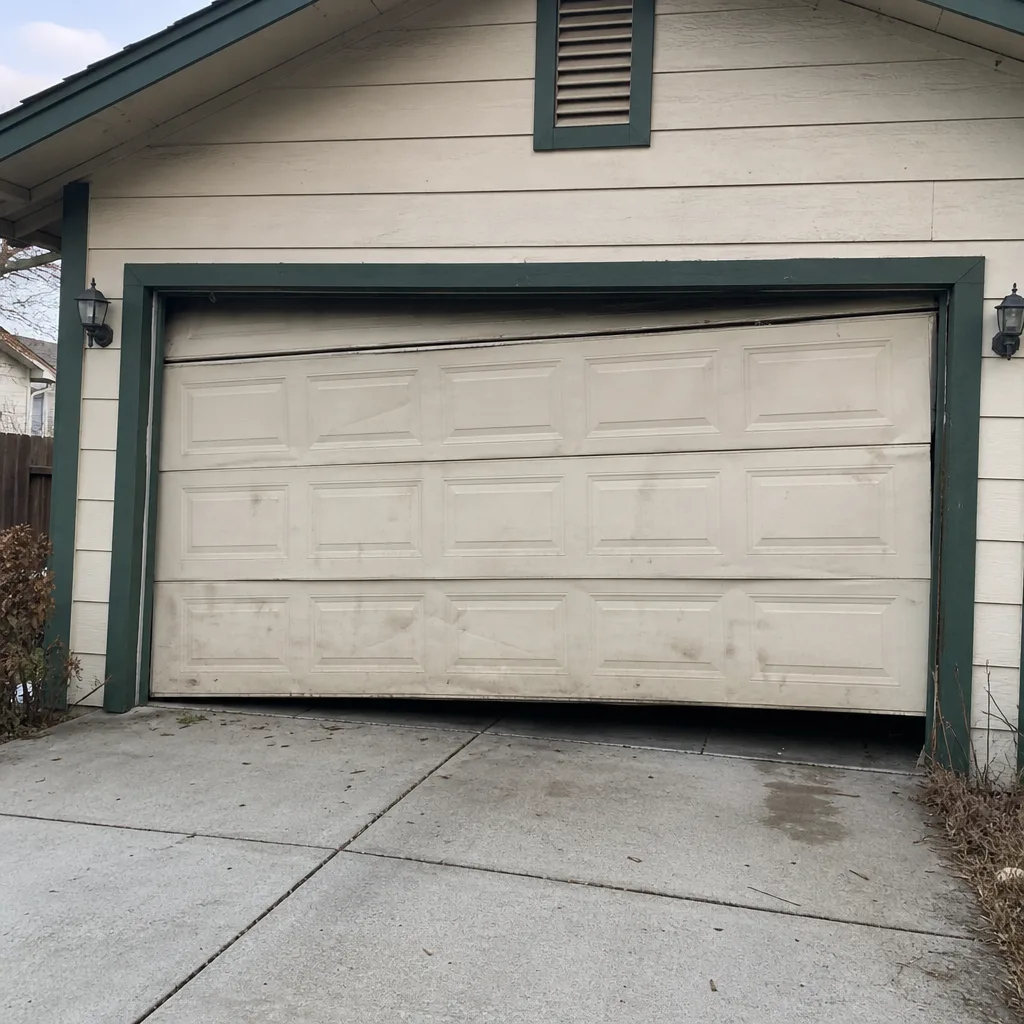 Before
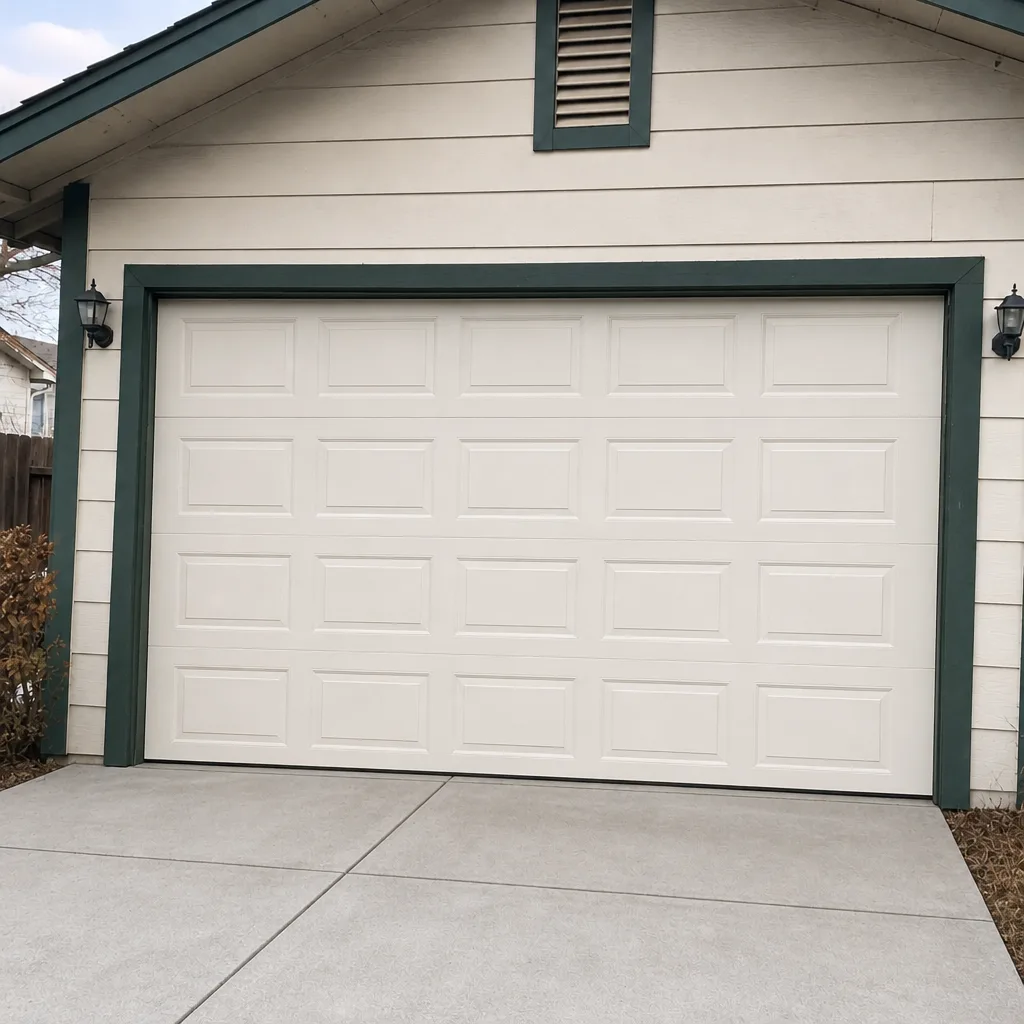 After
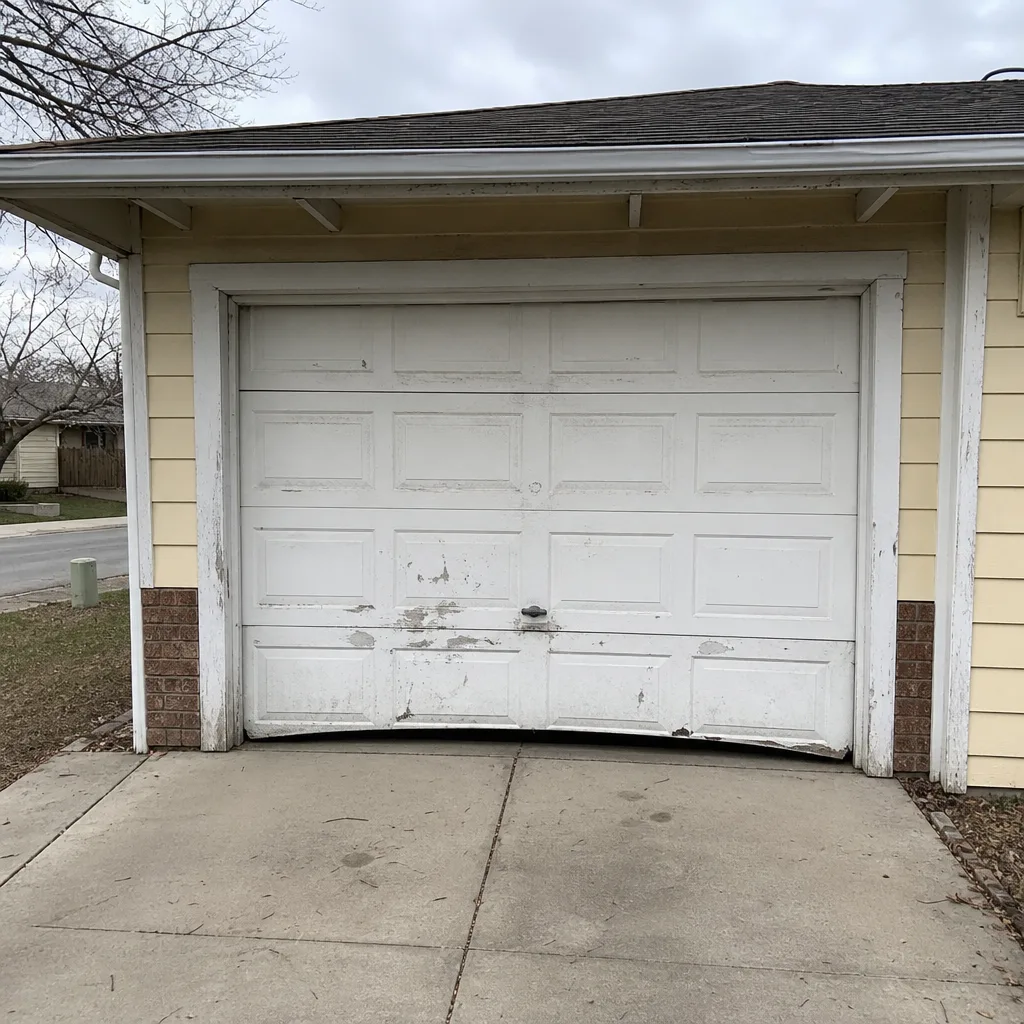 Before
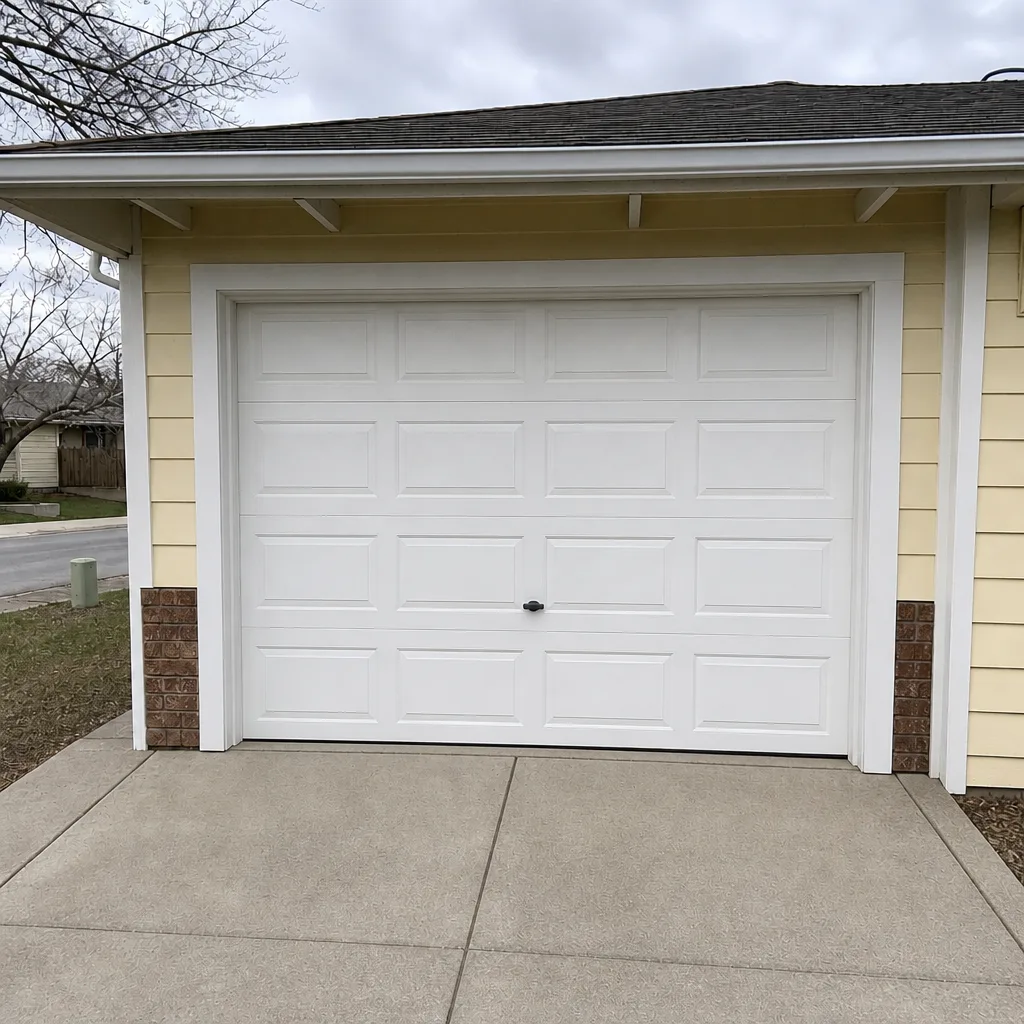 After
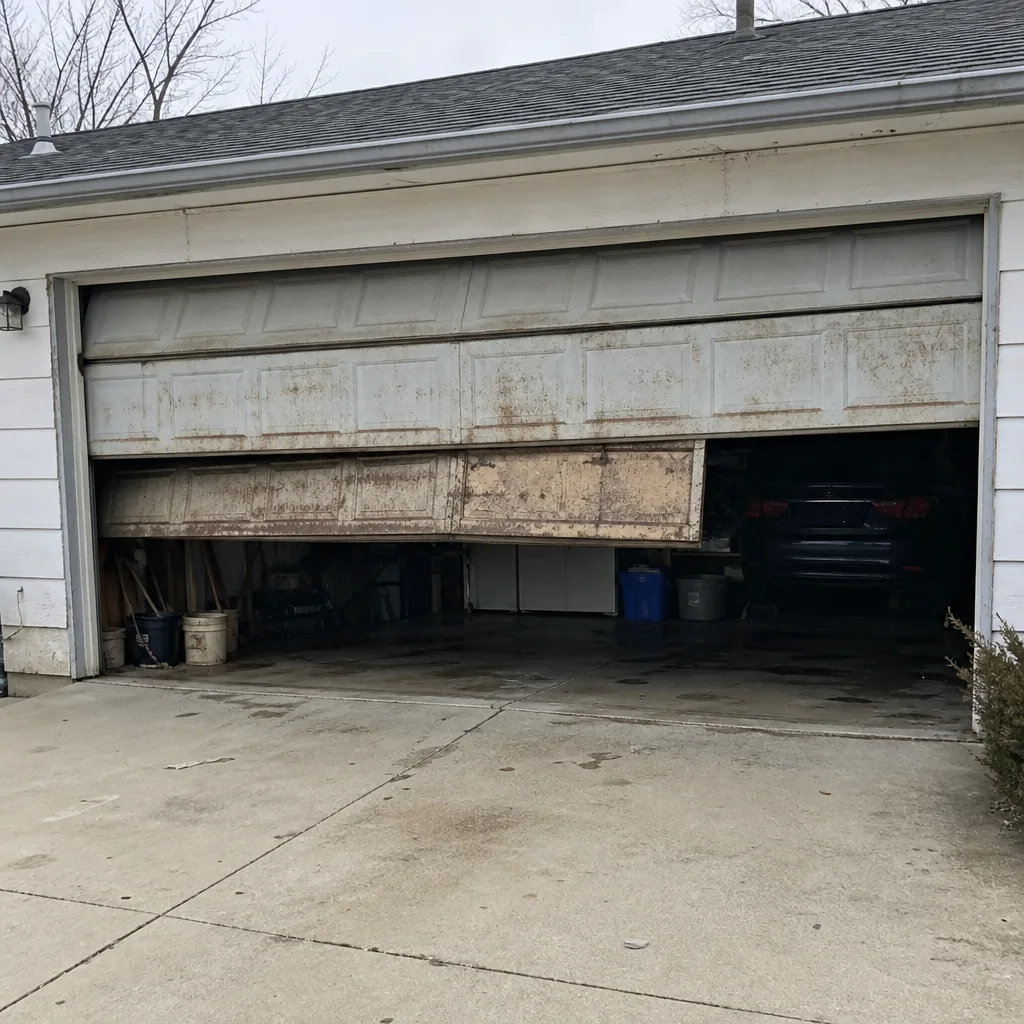 Before
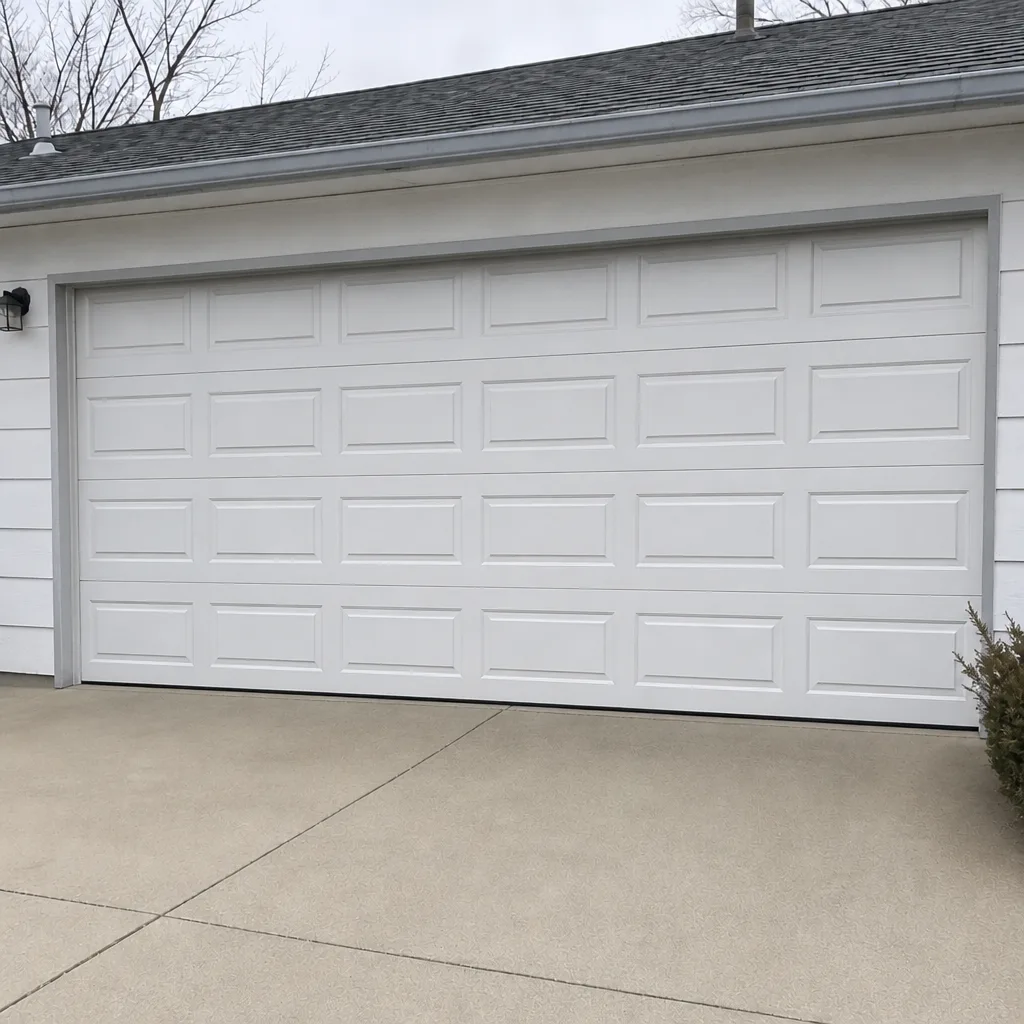 After