
Last updated November 15, 2026
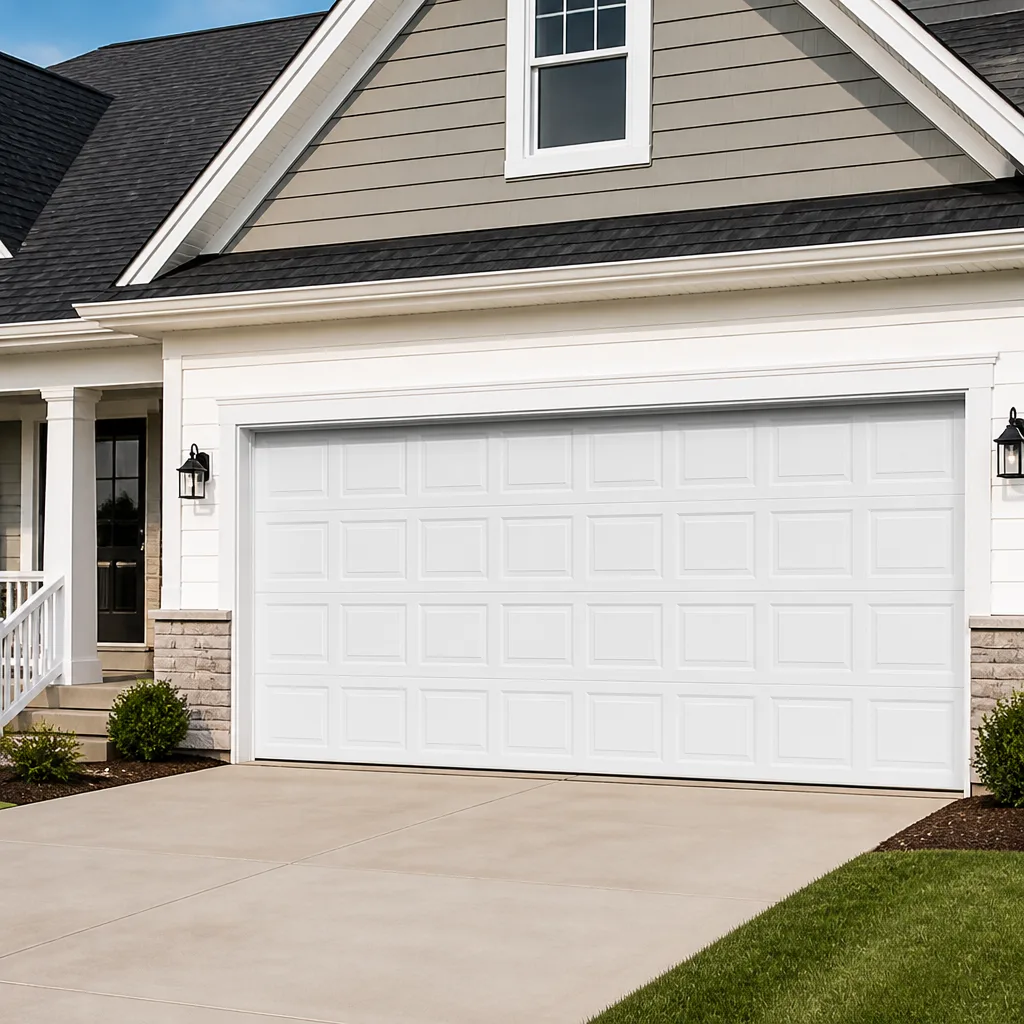 Raised-panel steel
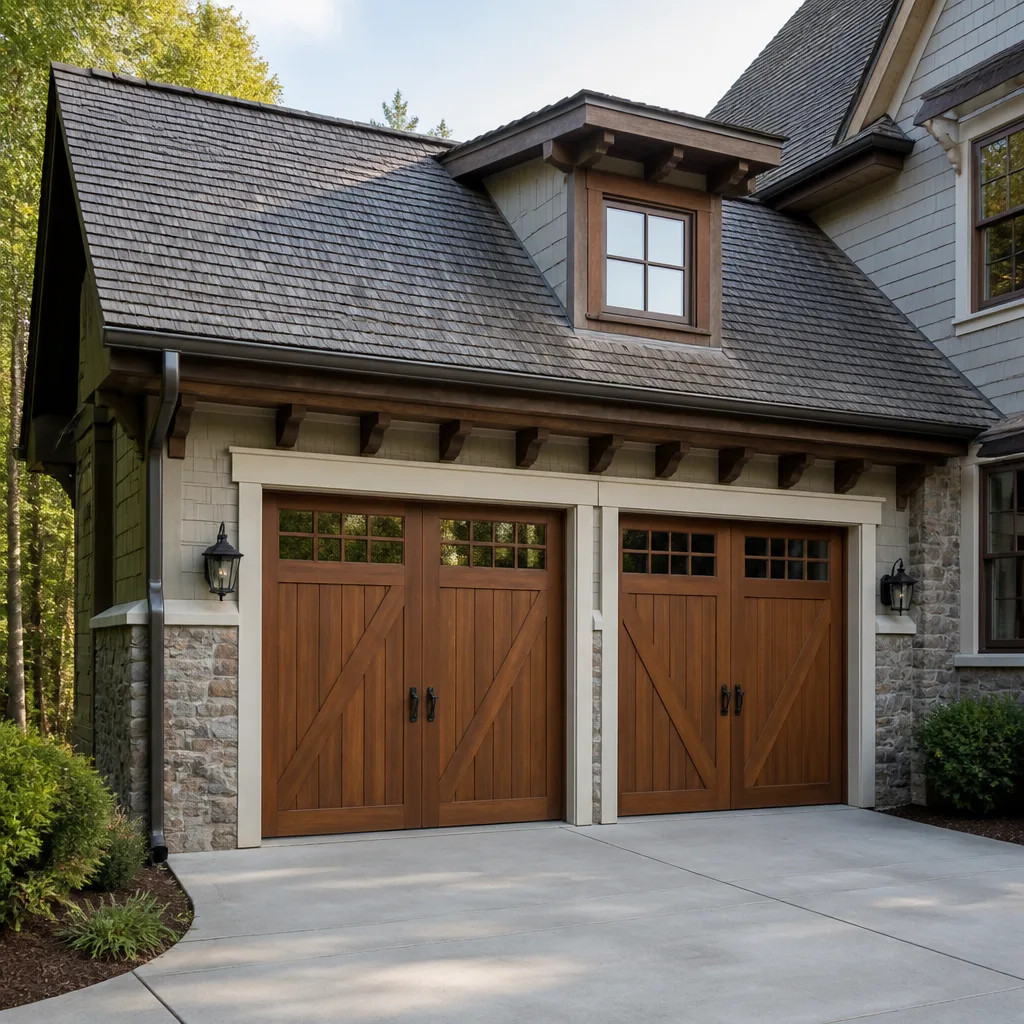 Carriage house
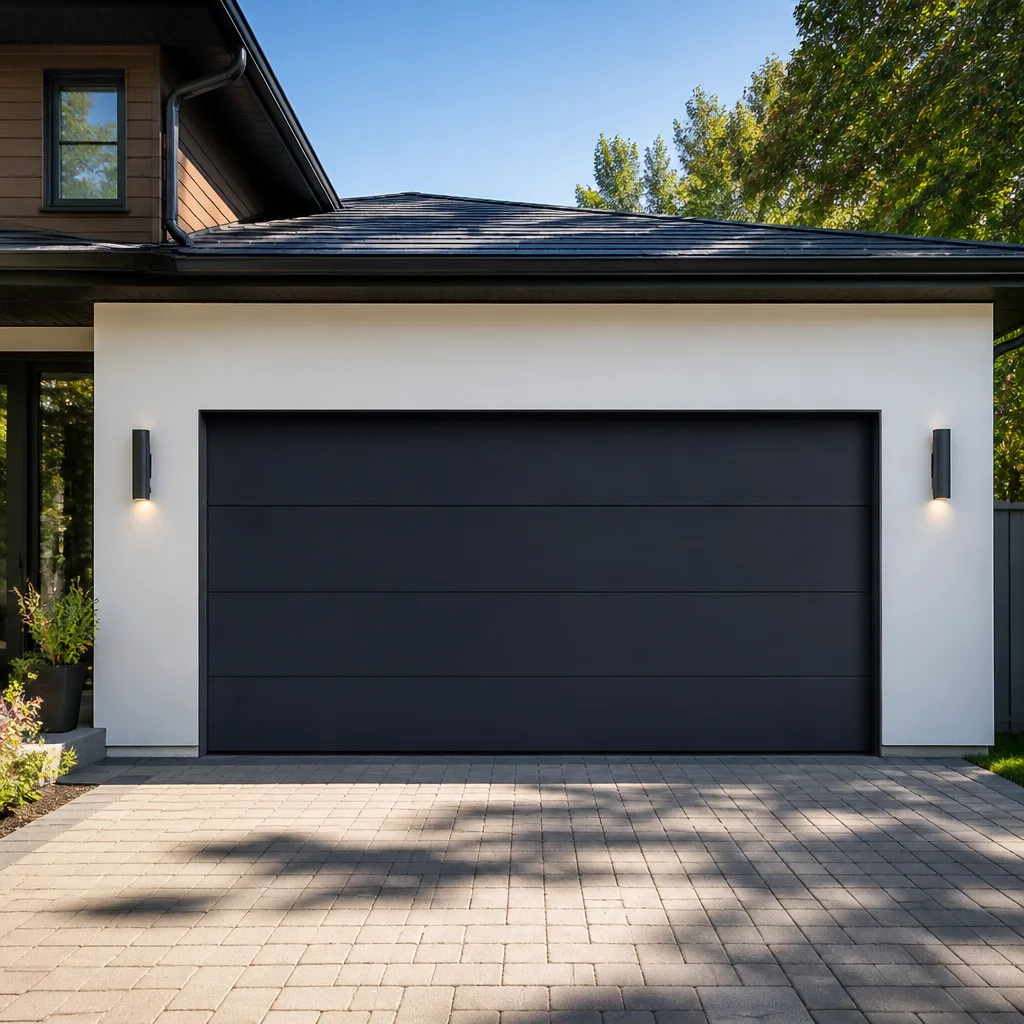 Modern flush
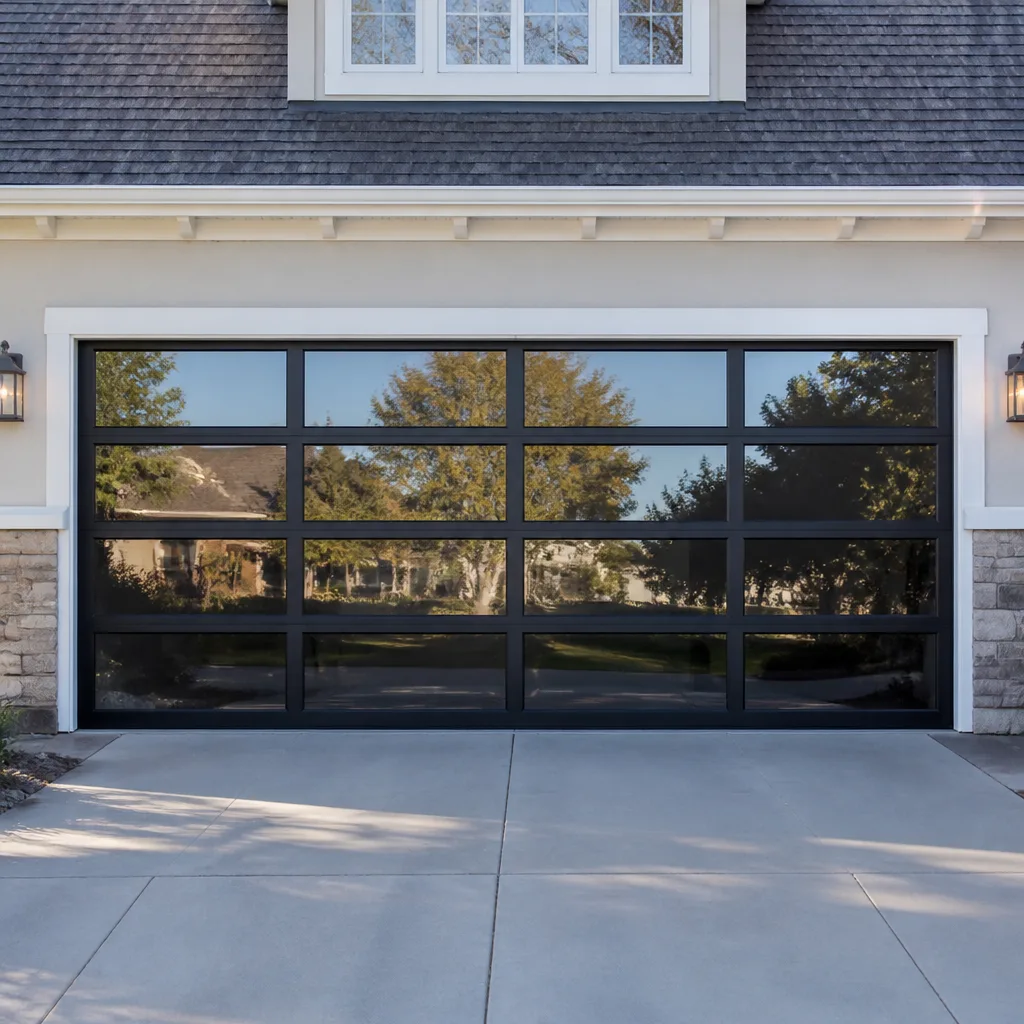 Full-view glass
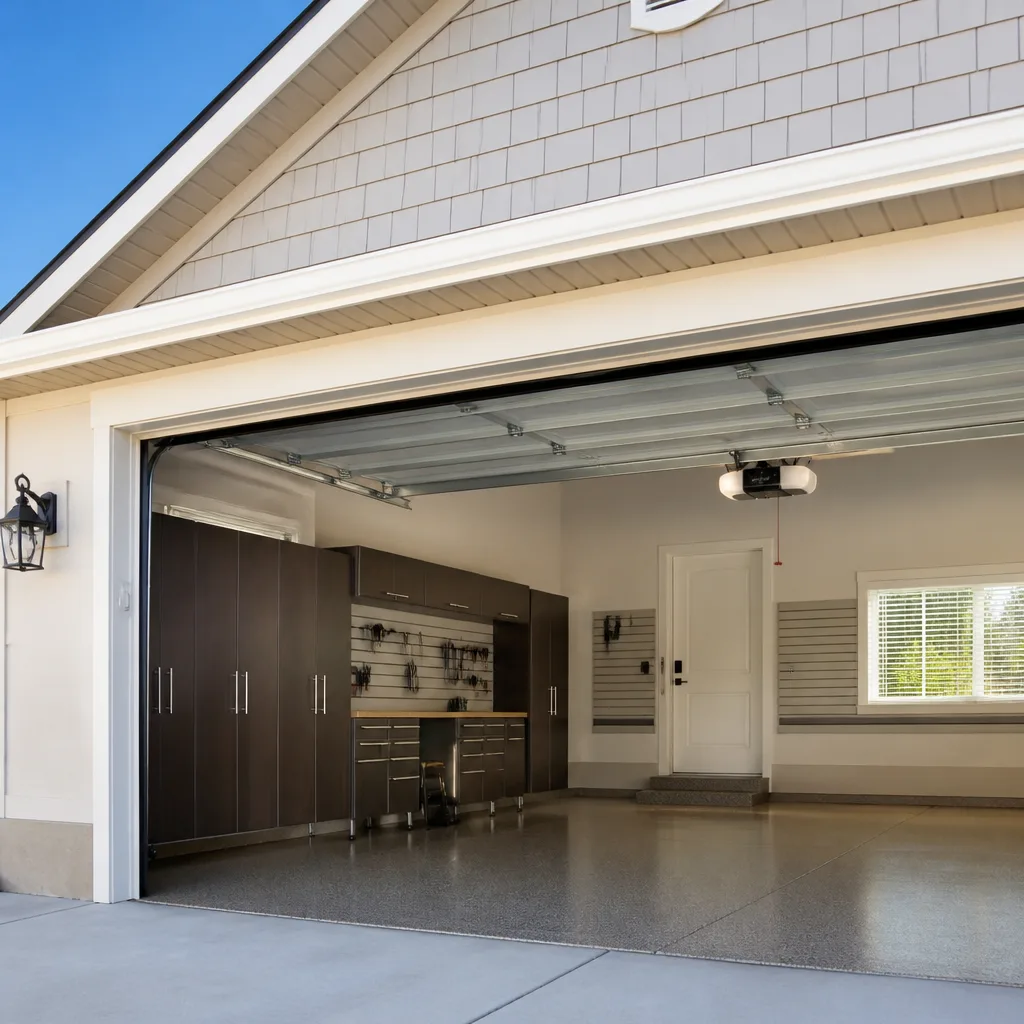 LiftMaster openers
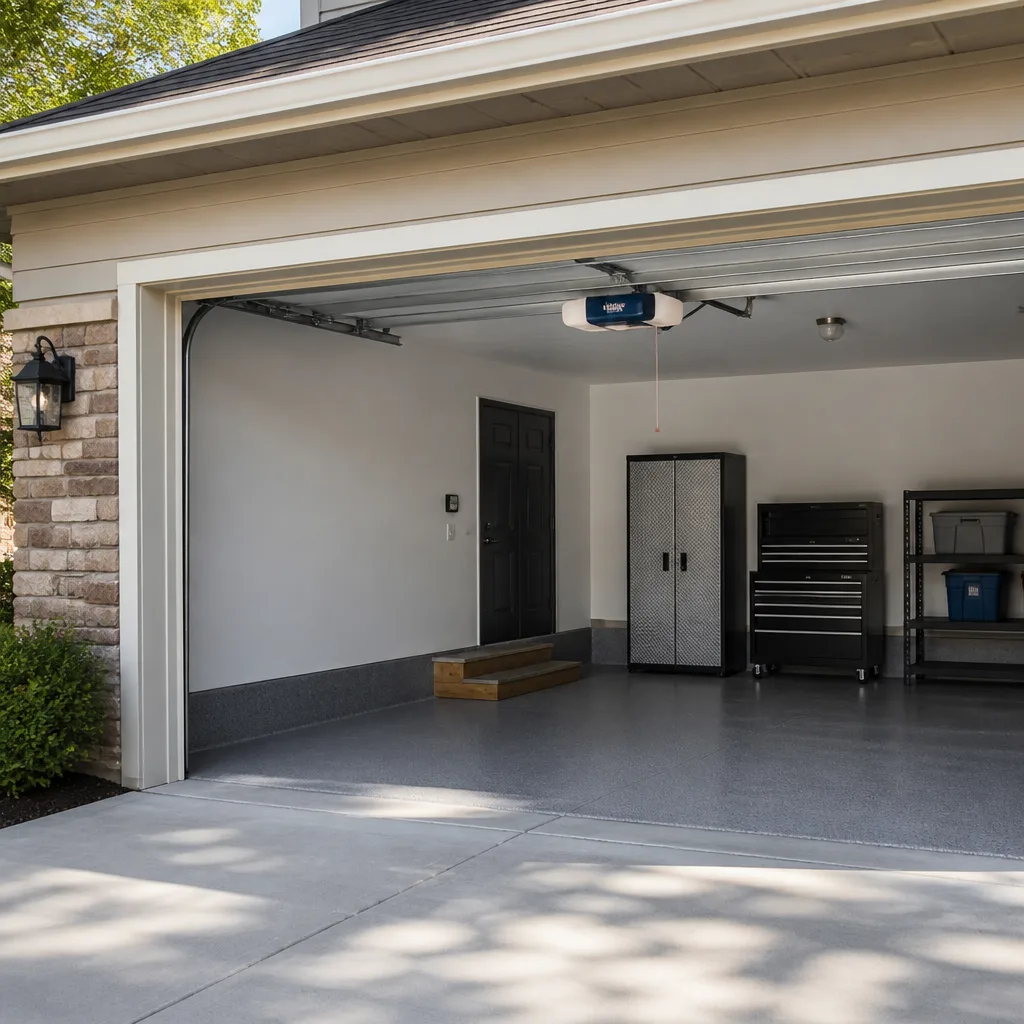 Chamberlain openers
Full 25-point door and opener safety check with every visit - springs, cables, rollers, tracks, and your LiftMaster or Chamberlain opener included
You get a price before we start. It does not change when the pro arrives.
Get your free estimateGarage Door Permits, Codes & Inspections in Boise City, ID: What You Need to Know
Most Boise City homeowners assume swapping a garage door is always permit-free. That’s true for a like-for-like replacement on the same opening with no structural work involved. It stops being true the moment the job touches a header, widens or moves an opening, or replaces a door on a fire-rated wall between the house and an attached garage. Skipping a permit on those jobs can sit quietly for years, then surface during a sale, when a title company or buyer’s inspector asks for records on garage work. This guide walks through what triggers a permit in Boise City, how fire-rated and wind-load rules apply to your door, who pulls the paperwork, and what an inspection actually looks at.
Quick Answer
In Boise City, ID, a direct replacement of a garage door and opener in the same opening, same size, same configuration usually needs no permit. A permit is generally required when the work involves structural changes (cutting, raising or widening a header or opening), a new garage opening, or replacement of a fire-rated door assembly on an attached garage. Always confirm with the Boise City building department before work begins, because the person who owns the outcome is the homeowner, not the installer.
Styles & brands we work with
- Raised-panel steel
- Carriage house
- Modern flush
- Full-view glass
- LiftMaster openers
- Chamberlain openers
Table of Contents
- Does a Garage Door Replacement Need a Permit in Boise City?
- The Boise City Code Thresholds That Trigger Review
- Fire-Rated Garage Doors for Attached Garages
- Wind Load Ratings and Boise City’s Design Wind Speed
- Pulling the Permit Yourself vs. Having It Pulled For You
- What a Garage Door Inspection Covers in Ada County
- How to Prepare So the Inspection Passes First Time
- Common Mistakes to Avoid
Does a Garage Door Replacement Need a Permit in Boise City?
No, a straight swap of the door, tracks, springs and opener in an existing opening typically does not require a permit in Boise City. Yes, if the door sits on a fire-rated wall between the garage and living space, if the opening itself changes, or if any framing around the opening is altered. The dividing line is not the door. It’s the structure and the fire separation behind it.
Think of it this way: a garage door is a piece of equipment mounted to a frame. Replacing equipment doesn’t require a permit. Modifying the frame does. When a homeowner calls us after buying a Clopay or Amarr door at a big-box store and wants it installed in the same opening, that’s an equipment swap. When a homeowner asks us to convert a single-car opening into a double-car opening, that’s construction, and it needs review from the city’s building department before anyone cuts a header.
Boise City’s older neighborhoods have plenty of homes where the garage was enclosed or converted decades ago, sometimes with a door sized to whatever fit. When those doors fail and a replacement requires opening up framing, that’s a permit job. We run into this in the North End and in the older blocks around the Depot Bench, where garage footprints vary from house to house. A “standard size” is a myth in those areas.
Here’s the practical rule we give homeowners: if the work is door off, door on, same hole, you’re usually clear. If a saw touches anything other than the old door, call the city. Free estimates are available for the assessment side of this; garage door repair work in Boise City is quoted before anything is ordered or cut.
- Typically no permit: door panel replacement, spring and cable replacement, track replacement, opener replacement, roller and hinge replacement, weather-seal replacement.
- Typically needs a permit: new garage opening, widening or raising an existing opening, header modification, replacement of a fire-rated door assembly on an attached garage, any structural framing change.
- Ask the city: conversions from garage to living space, doors added to detached structures, any situation where you’re unsure.
The Boise City Code Thresholds That Trigger Review
Boise City’s building code review starts when work changes the structure of a home or the way an assembly is rated. A garage door, on its own, does not change either. A garage opening does. The city’s building department is the authority on the exact thresholds, and the safest habit is to describe the scope in plain terms when you call: “replacing a 16-foot door in the same opening” and “converting my single-car opening to a double-car opening” are two different conversations, and only the second one starts with “you’ll need a permit application.”
Here’s what tends to trigger review in Boise City:
- A new opening cut into an exterior wall. Any new hole in a structural wall is a structural change.
- A change in opening size. Widening, raising, or lowering an existing opening usually means cutting, adding to, or reinforcing a header.
- Replacement of a fire-rated assembly. The door between an attached garage and the house is part of a rated assembly, and the assembly has requirements beyond the door itself.
- Alteration of load-bearing framing. If the garage wall carries load from above, any change to it is structural.
- Converting a garage to habitable space. This is a bigger scope with its own permit requirements, and it often touches the door opening too.
What usually does not trigger review: replacing the door in the same opening with a same-size door, replacing the opener, replacing springs, cables, rollers or tracks, or replacing the bottom seal. Those are maintenance and equipment jobs. If your door is sagging, dragging, or making noise, the fix is often mechanical rather than structural. That’s our bread and butter. We work on the brand you already have, whether that’s a Wayne Dalton from a builder install or a Craftsman from a big-box store.
One more thing to know: Boise City has been updating its development and building codes in recent years, and requirements vary by project type. We don’t guess at code details. The homeowner should always call the Boise City building department directly, describe the scope, and get the answer in writing before any work starts.
Fire-Rated Garage Doors for Attached Garages
The door between an attached garage and a house is a fire separation door in most residential code models, including the IRC. Its job is to slow fire and smoke long enough for a family to escape. When a homeowner replaces that door with a lighter, unrated unit from a home center, the assembly loses the rating even if the new door looks identical. In many Boise City homes, the original door has a label, plate or fire-rating stamp that identifies it. If the replacement doesn’t have the same rating, the assembly no longer matches the original install.
Practical points for Boise City homeowners:
- Look for the label. A rated door between the house and an attached garage carries a fire-rating label or stamp. Match the rating on the new door to what’s on the old one.
- Rating is not just the door. Hardware, self-closing features, and the frame around the door all contribute to the assembly. Replacing only the door panel while keeping the frame usually holds the rating.
- Boise City enforces fire separation through inspection when permits are pulled for related work. If you’re getting a permit for a garage conversion, an addition, or a new opening, the fire separation between garage and house is part of the inspection.
- Rated doors are heavier and need rated hardware. Springs, hinges, and openers on a rated assembly are sized for the load. Mismatching hardware is a common failure point, and it’s also a safety issue.
The garage door itself is a heavy, spring-loaded system. High-tension springs, cables under load, and doors that can drop if a component fails are not DIY territory. If you’re not sure whether a spring, cable, or hinge is correct for a rated door, stop and have it looked at by a trained technician. The cost of a service call is far less than the cost of a garage door coming down on someone.
For a rated door replacement, the door brand matters less than the rating. Clopay and Amarr both manufacture fire-rated residential doors, and Wayne Dalton and Craftsman offer their own rated models. What we check first is whether the door matches the rating of the assembly it sits in. From the spring to the smart opener, that’s the kind of thing we confirm before we sell the work.
Wind Load Ratings and Boise City’s Design Wind Speed
A garage door is the largest moving wall on most homes, and in Boise City it has to hold against design wind loads. Boise City’s elevation of around 2,700 feet and its position on the western edge of the Boise foothills expose homes on the bench and in the foothills to stronger and more sustained winds than the flatter valley floor. That’s a general geography point, not a code citation, but it matters because door specs include a design wind speed rating that has to meet or exceed the local requirement. Doors sized for an inland valley with lower design wind speeds are the wrong spec in Boise City.
The important moving parts of wind-load rating:
- The door manufacturer’s published rating. Every rated door comes with a wind-load rating from its maker. The rating is usually listed as a design pressure in pounds per square foot.
- The design wind speed for your location. Boise City’s building department is the authority on the number that applies to your address, and it’s the number you need to match. Don’t guess.
- Reinforcement hardware. Wind-rated doors use thicker gauge hinges, heavier rollers, and sometimes struts or bracing. A rated door without the matching hardware is not rated in practice.
- Mounting and track. A door rated for a specific wind speed must be installed on tracks and with mounting that meet the same rating. Reusing old, thinner track on a rated door is a common shortcut that shouldn’t happen.
In our experience on Boise City install work, most residential replacements are being quoted from a manufacturer’s standard catalog rather than from the specific wind-load requirements at the address. That’s a gap. When the new door is being ordered, ask for the manufacturer’s wind-load documentation, and ask the installer to confirm that the hardware and track supplied match the door’s rating. A reputable installer will have this information and will hand it over without being asked twice.
If a permit is pulled for the work, wind-load documentation is often part of the package the inspector looks at. If it isn’t documented, the inspection can stall. Have the paperwork ready before the door goes up.
Pulling the Permit Yourself vs. Having It Pulled For You
Boise City allows a homeowner to pull a permit for work on their own primary residence in many cases, and the ability to pull your own permit does not mean you should. The faster path in most cases is having the licensed contractor of record pull the permit, because the contractor’s license is already on file with the jurisdiction and the inspection is booked against the same name that performed the work. When a homeowner pulls a permit and then hires someone unlicensed to do the work, the city has a homeowner-signed permit with no verifiable contractor behind it. That’s the setup that creates problems at inspection time and again at sale time.
Here’s how the two paths usually go in Ada County:
- Homeowner pulls the permit. The homeowner submits the application, holds the permit, and takes responsibility for scheduling inspections and closing it out. This works for homeowners doing their own work, and is a slower process for projects where a contractor is doing the installation.
- Contractor of record pulls the permit. The licensed contractor submits the application, is listed as contractor of record, and books the inspection against their own license. This is the standard path for structural garage work and for fire-rated door replacement where a permit is required.
- Inspection and close-out. Either way, the permit has to be inspected and closed. An open permit on a garage door stays visible in public records until it’s signed off, and a buyer’s inspector can find an open permit.
- Title and sale. Unpermitted structural work on a garage can delay closing, prompt renegotiation, or require retroactive permits. That’s the scenario we warn homeowners about.
One point that gets missed: the person on the permit and the person on the door have to match for the inspection to be straightforward. If your plan is to install the door yourself and pull the permit in your own name, that’s fine. If you’re hiring a licensed installer, let the installer pull the permit in their name. Mixing the two creates confusion.
What a Garage Door Inspection Covers in Ada County
An inspection for a permitted garage door job is not a full mechanical service of the door. It’s a check that the work performed matches the permit and the code that applied at the time. That means the inspector looks at the structural change, the door’s rating, and the documentation for what went in, not how smoothly the door runs or whether the opener’s photo-eye is lined up. Those are things a service technician checks; the inspector checks the build.
Typically an inspection covers:
- Opening size and framing. The new opening matches the approved plan, and the header and framing around it meet structural requirements.
- Fire-rated assembly (when applicable). The door between an attached garage and the house carries the correct label and matches the rated assembly in the permit drawings.
- Wind-load documentation. The door manufacturer’s wind-load rating matches the design speed for the address.
- Attachment and anchoring. The tracks and hardware are anchored to the structure appropriately for the door’s weight and rating.
- Documentation. Manufacturer labels, spec sheets and permit paperwork are on-site and match what was approved.
What an inspection does not cover: whether the springs are balanced, whether the opener reverses on contact, whether the photo-eye is aligned, or whether the rollers are worn. Those are operational tests, and the person doing them is a garage door technician. If your door is making noise, binding, or the opener is behaving oddly, the inspection is not going to flag that. In Boise City, we get calls from homeowners who passed an inspection and then discovered their door wasn’t balanced properly. The two checks are different jobs.
If a door is failing mechanically, that’s a garage door opener repair or spring job for a specialist, not part of the permit inspection. Get the mechanical issue looked at by a technician and the code issue looked at by the city.
How to Prepare So the Inspection Passes First Time
Most first-visit inspection failures come down to paperwork, not workmanship. The door can be installed correctly and still fail because the spec sheet for the door isn’t on-site, or the framing doesn’t match the approved plan, or nobody was home to provide access. Preparing means getting three things in order before the inspector arrives.
- Have the approved permit and plan set on-site. The inspector is checking the work against the approved plan. If the plan isn’t there, the inspection usually can’t proceed.
- Keep the manufacturer documentation with the door. Wind-load ratings, fire-rating labels and door specification sheets should be on hand and legible. Laminated copies on the inside of the garage door track area are a common way to keep them where they’re needed.
- Confirm the framing matches the plan. If a header was modified in a way that differs from the drawing, the inspector will flag it. Any change in the field should be reviewed and reflected in the plan before the inspection is scheduled.
- Clear access to the door, tracks and framing. Boxes stacked against the door, shelving bolted to the wall inside the garage, or cars parked against the door all slow the inspection down or cause a reschedule.
- Have someone home. The inspector needs to walk the space. If no one is there to open the door or answer questions, the inspection usually turns into a re-book, and that adds a week or more in most jurisdictions.
- If the door needs to be operated for any part of the check, make sure it’s functioning. An inspection doesn’t test for balance, but a door that’s visibly jammed or off-track is going to complicate any visit.
We’ve seen more than one Boise City homeowner lose a week to a missing spec sheet. It’s a frustrating failure because the work itself was fine. Get the documentation in order and the inspection usually goes quickly.
Common Mistakes to Avoid
- Assuming every garage door replacement is permit-free. It’s true for a like-for-like swap and false for anything that touches the opening or the fire separation. Boise City homeowners who assume “a door is a door” get caught during a sale.
- Replacing a fire-rated door with an unrated model from a home center. The door looks identical and costs less, but the assembly loses its rating and can’t pass inspection if one is triggered later. If the original door had a fire label, the replacement should too.
- Cutting a new opening or widening an existing one without a permit. This is structural work, plain and simple. In older Boise City neighborhoods like the North End, where framing isn’t standard from house to house, cutting into a wall without review is the mistake that causes the most expensive repairs later.
- Ordering a door without checking wind-load rating for the address. Standard catalog doors are often quoted without wind-load documentation. In Boise City, where the foothills and bench areas see greater wind exposure, this can put a door underspec for the build.
- Letting an unlicensed installer do the work and having the homeowner pull the permit. The permit exists, but there’s no contractor of record for the inspection to verify. This is the classic combo that fails inspection and creates sale-time trouble.
- Leaving the permit open. An open permit from a completed door installation stays in city records until it’s inspected and closed. It shows up in a title search and can delay closing.
- Confusing an inspection with a service check. A passed inspection doesn’t mean the springs are balanced or the opener is adjusted correctly. Mechanical checks are a separate job, and doing them alongside the inspection is the way to stay ahead of problems.
See the difference
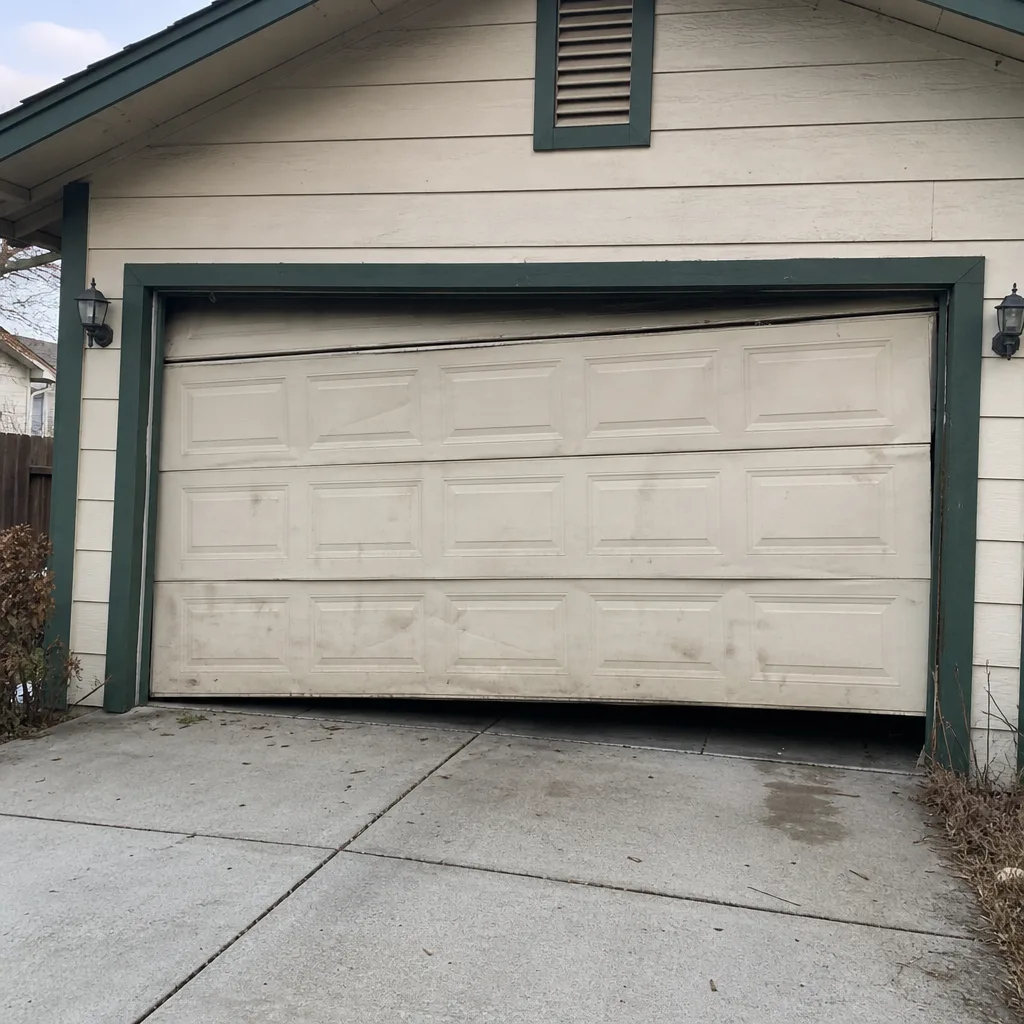 Before
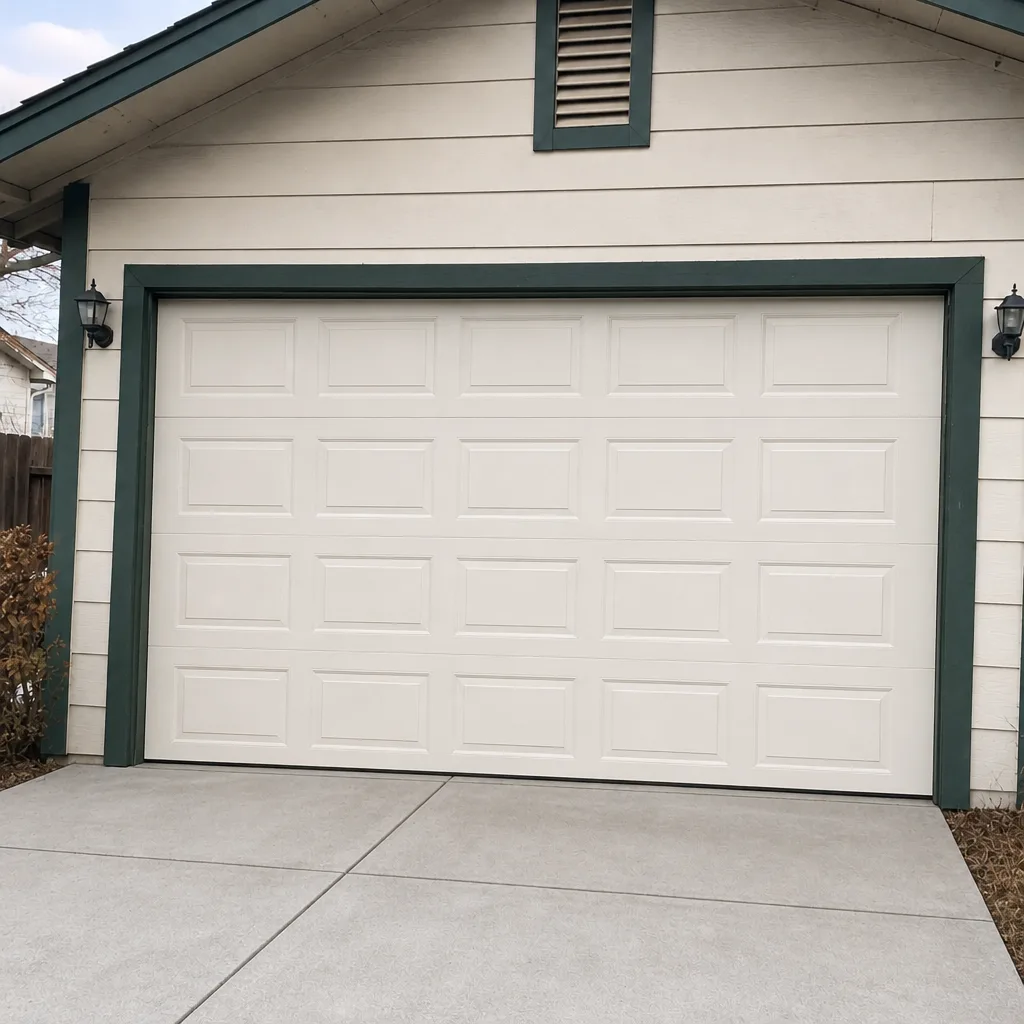 After
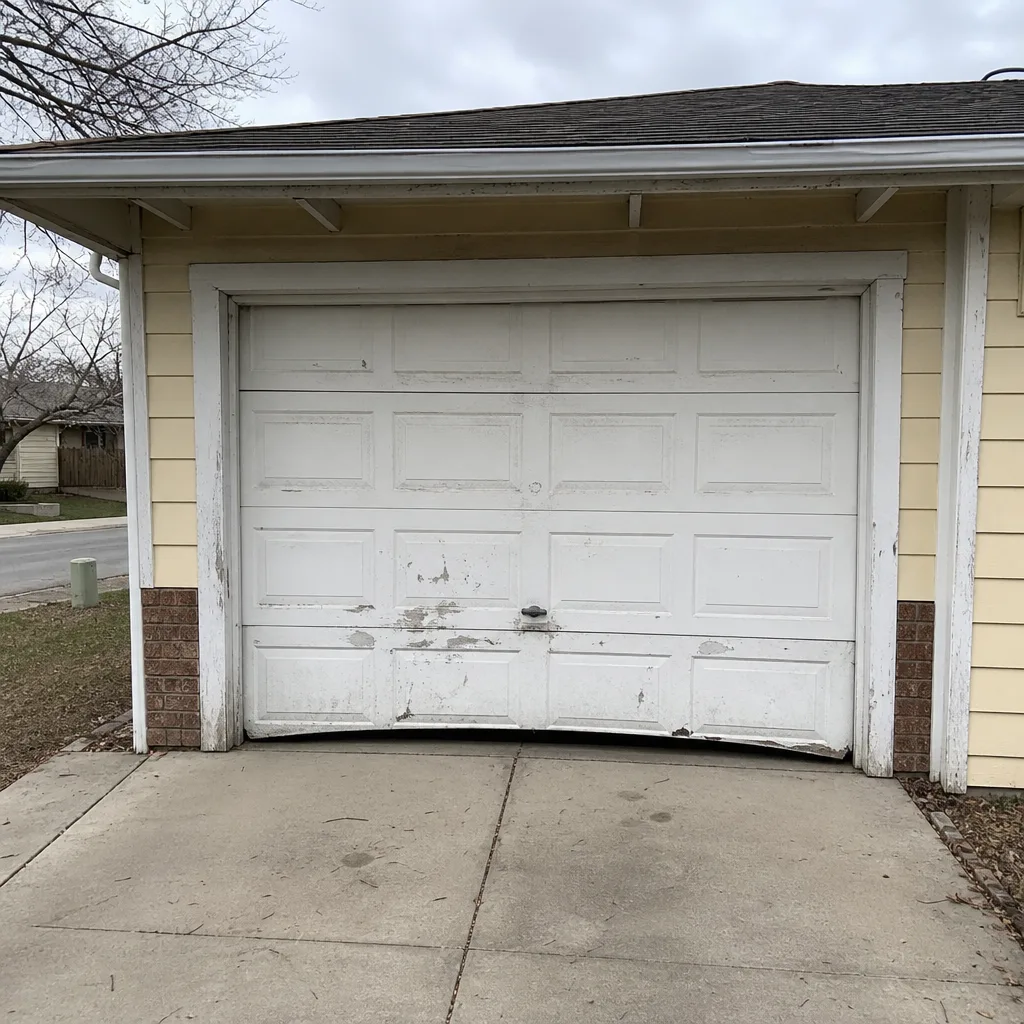 Before
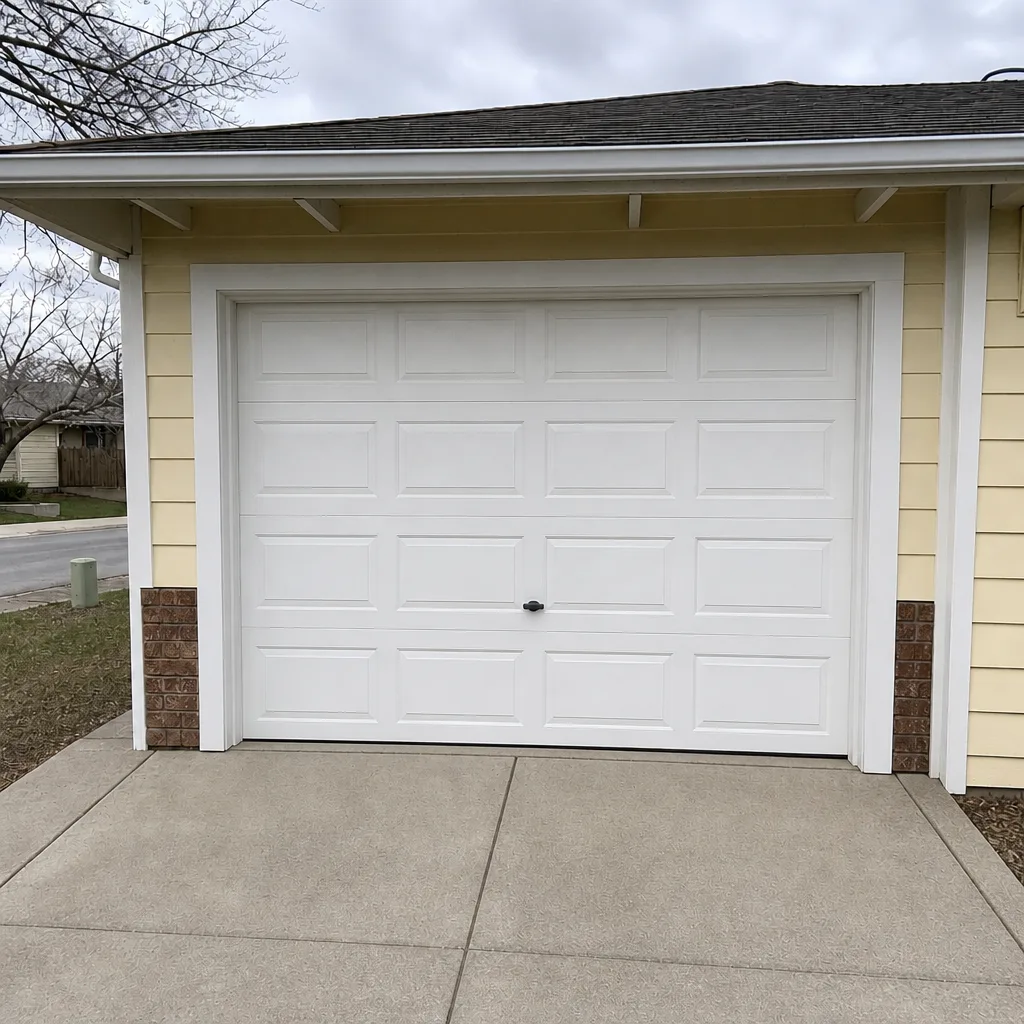 After
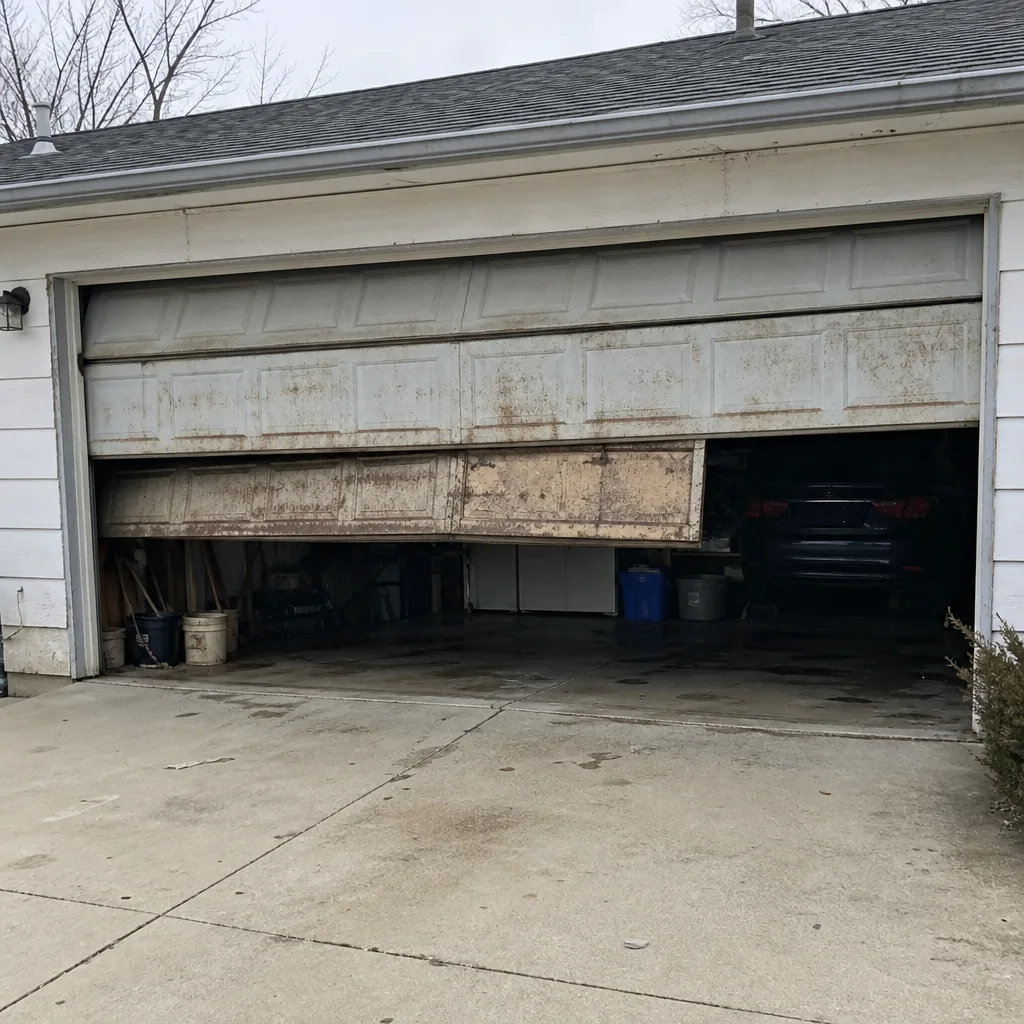 Before
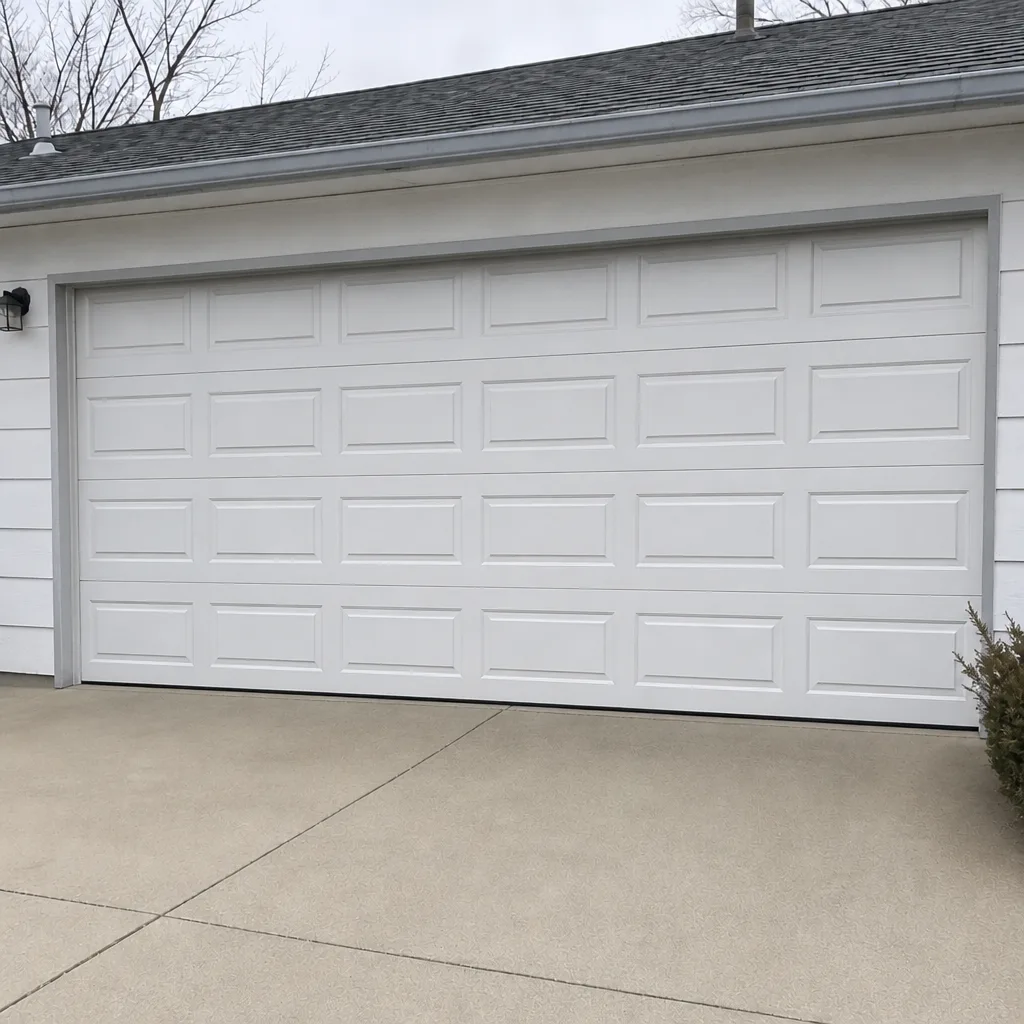 After
When to Call a Professional
Some jobs are a phone call, some are a paperwork question. Call a professional for anything involving a torsion spring, a cable under tension, an off-track door, a door that won’t balance, or an opener that reverses incorrectly or won’t close all the way. Also call if the opening itself is being altered, if a door needs to be sized to an existing non-standard opening, or if the door sits on a fire-rated assembly and you need a rated replacement matched to it. Our technicians have up to experience with the mechanical and electronic sides of the system, and we work on Clopay, Amarr, Wayne Dalton, Craftsman and four other leading brands, so most homes in Boise City are already covered without a brand guess. Arbor Garage Door Repair offers free estimates in Boise City. Call (833) 467-9147 and we’ll take a look.
Frequently Asked Questions
Usually not, if the replacement is a like-for-like swap in the same opening with no structural changes and the door isn’t part of a fire-rated assembly on an attached garage. Call the Boise City building department and describe the scope in plain terms before work starts. If the opening size changes, a header is modified, or the door is on a rated wall, expect a permit requirement. Call (833) 467-9147 if you want an assessment of the mechanical scope before you talk to the city.
A door swap is equipment replacement, and equipment replacement usually doesn’t require a permit. A job that requires review is one that changes the structure: a new opening, a widened or raised opening, a header change, or a fire-rated assembly replacement. The structural change is what triggers review, not the door itself. If you’re unsure which category your project falls into, describe exactly what you want done to the Boise City building department and get their answer in writing.
In most cases yes, and that’s usually the faster path. A licensed contractor of record pulls the permit, is listed as the contractor on it, and books the inspection against their own license. The inspection then lines up with the person who performed the work. If you’re doing the work yourself on your own primary residence in Boise City, you can typically pull the permit in your own name. What you don’t want is to pull the permit and then hire an unlicensed installer to do the work, because the inspection has no contractor to verify.
Yes, when the door is part of a rated assembly on an attached garage. The replacement should carry the same fire rating as the door it’s replacing, and the hardware, frame and self-closing features should be appropriate to the rated assembly. A door that looks identical to the original but has no rating label is not the same assembly. If the door has a fire-rating label on it, keep that as the reference when the new door is ordered. We work with Clopay and Amarr rated models and can confirm the rating before anything is ordered.
No. An inspection checks that the permitted work matches the approved plan and the code that applies: framing, opening size, fire-rated assembly, wind-load documentation, anchoring and paperwork. It doesn’t test the springs, balance, opener reversal or photo-eye alignment. Those are mechanical checks a garage door technician performs during service. If your door is binding, making noise, or the opener behaves oddly, get a mechanical check separately from the inspection. Call (833) 467-9147 to schedule one and get a free estimate.
Unpermitted structural garage work can surface during a buyer’s inspection or a title search, and it can delay or renegotiate a closing in Boise City. The seller may be asked to pull a retroactive permit, which means an inspection of work that’s already complete. Sometimes that’s straightforward, sometimes it means opening up finished work. The way to avoid the scenario is to pull the permit up front for any structural garage door work. For mechanical issues on an existing door, call (833) 467-9147 for a free estimate from Arbor Garage Door Repair.
The Bottom Line
Boise City homeowners don’t usually need a permit for a garage door replacement. They do need one for structural changes to the opening, new openings, and replacements of fire-rated doors on attached garages. The paperwork is not the hard part. Knowing which category your job falls into is. Check with the Boise City building department before anything structural starts, document the wind-load and fire ratings for the door being ordered, and keep an open permit from lingering at sale time. If your door is failing mechanically, that’s a technician call. If the opening itself is changing, that’s a city call first. Once the code question is settled, the mechanical side is where we come in.
Arbor Garage Door Repair services Boise City and the surrounding area as a garage door specialist, working on LiftMaster, Chamberlain, Genie, Clopay, Amarr, Wayne Dalton, Craftsman and Raynor equipment. We handle repair, opener repair and installation, and we don’t do anything else. If a door is sticking, a spring is broken, or the opener needs attention, we’ll diagnose and fix it in one visit wherever possible. If you’re planning a replacement, we’ll measure, quote and schedule it against a written estimate.
Call (833) 467-9147 for a free estimate. We answer 24/7. Fast dispatch from 7am to 7pm, Sunday through Friday. If you want to look at the full range of services first, Arbor Garage Door Repair is the place to start, and our Boise City page covers the neighborhoods we work in.
Written by the team at Arbor Garage Door Repair.