
Last updated November 15, 2026
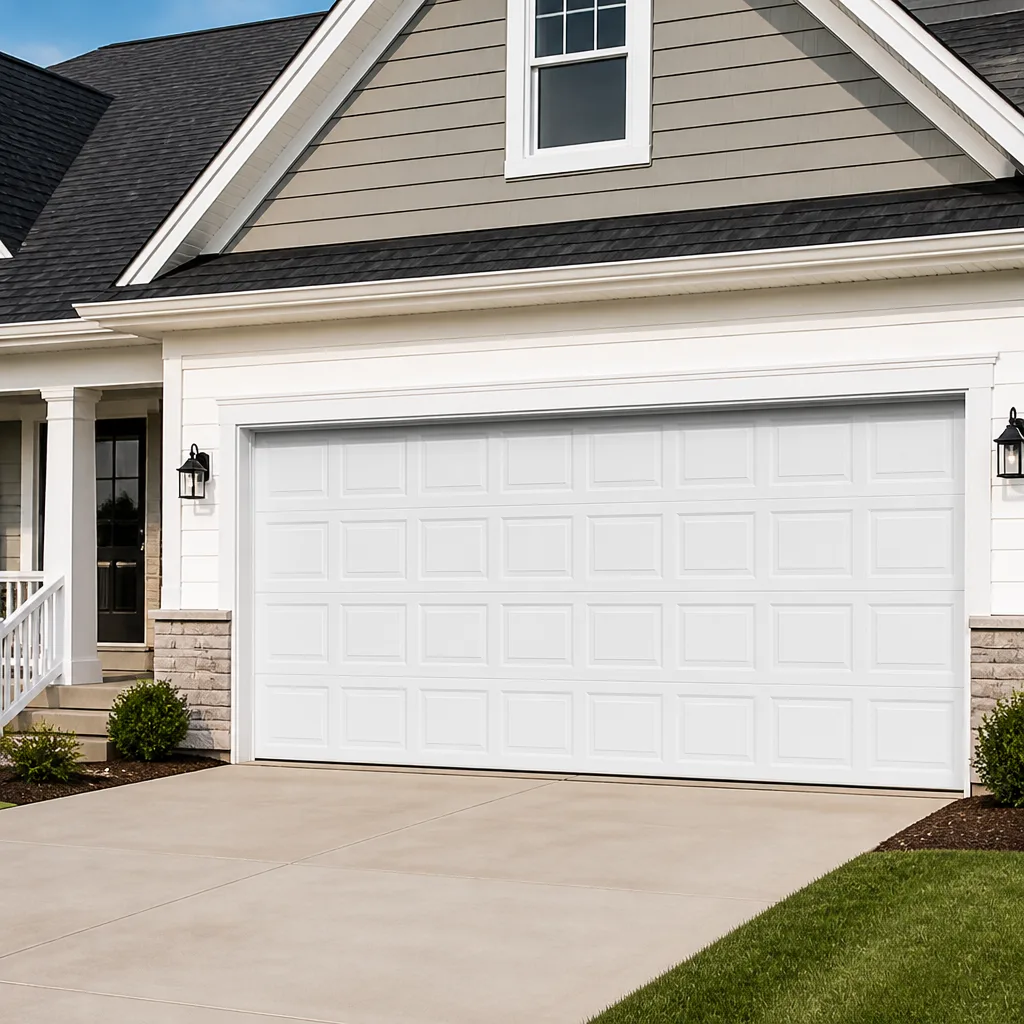 Raised-panel steel
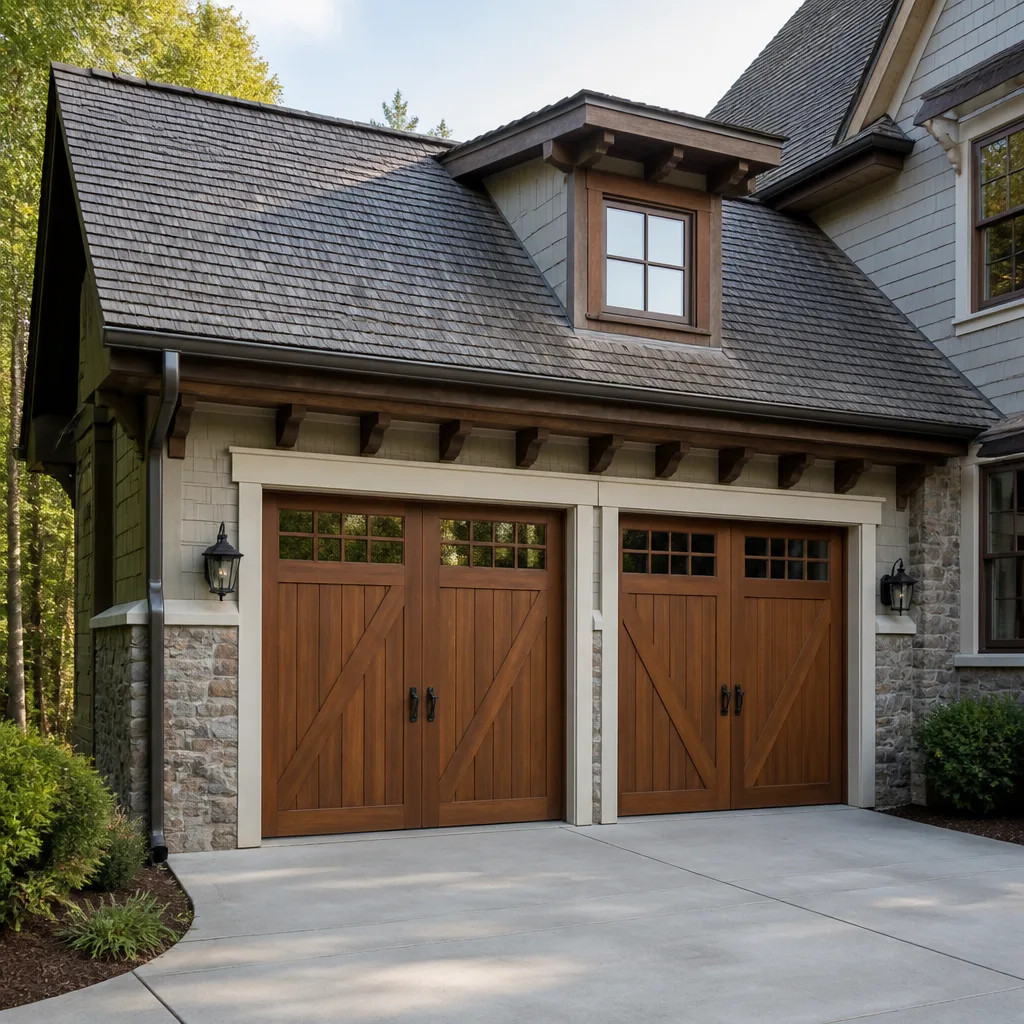 Carriage house
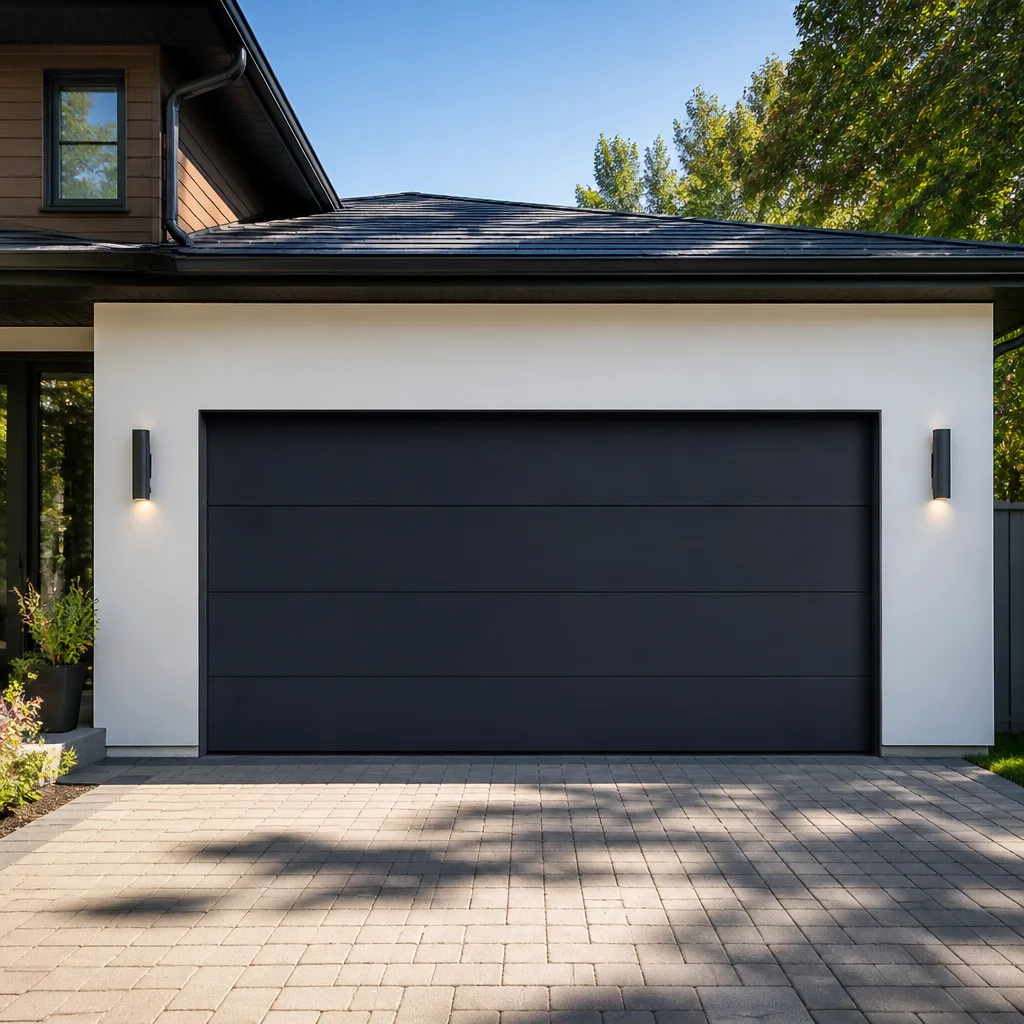 Modern flush
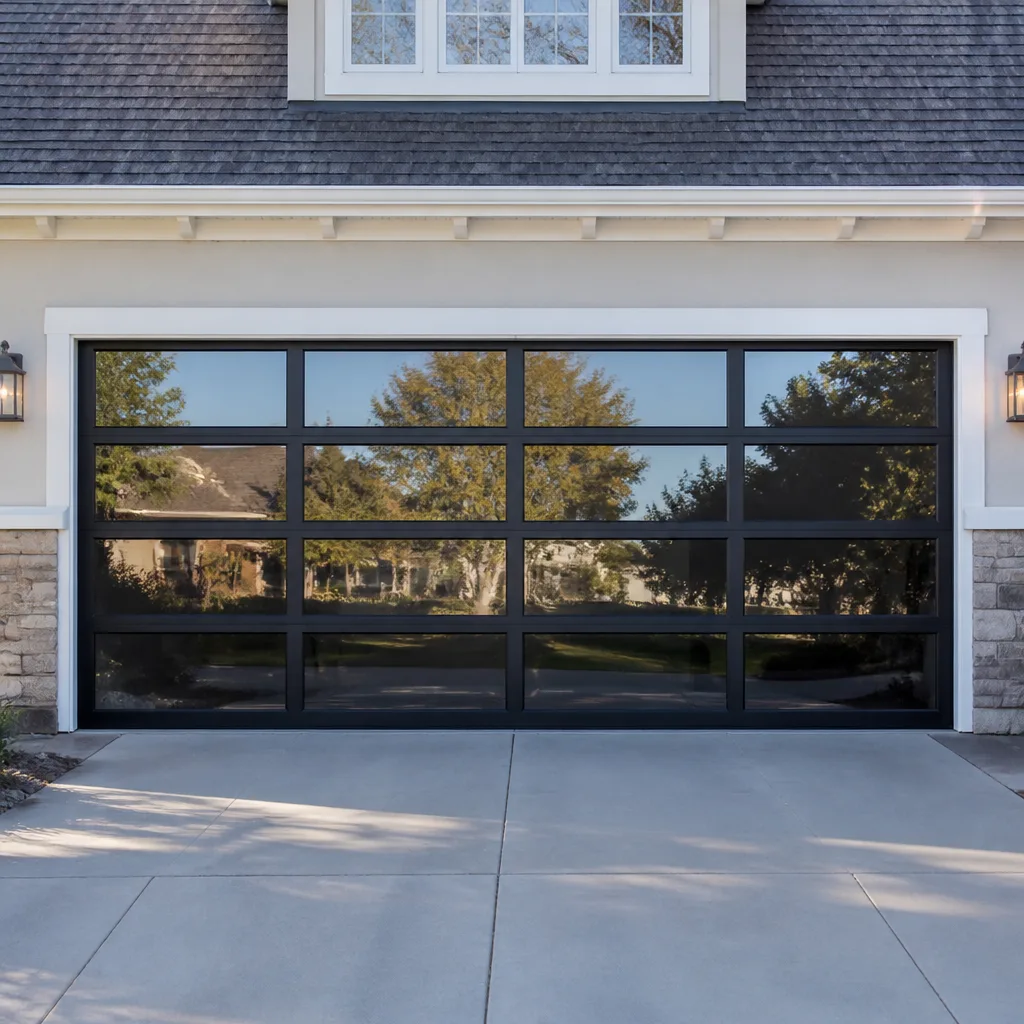 Full-view glass
 LiftMaster openers
 Chamberlain openers
Full 25-point door and opener safety check with every visit - springs, cables, rollers, tracks, and your LiftMaster or Chamberlain opener included
You get a price before we start. It does not change when the pro arrives.
Get your free estimateGarage Door Repair Maintenance Schedule: What to Do and When
The number-one reason garage doors fail in October in Boise City isn’t age or brand. It’s lubrication that was applied in spring and baked dry over summer, leaving metal-on-metal contact right when cold makes everything contract. Most maintenance advice tells you to “check your door quarterly” and leaves it there, which is about as useful as telling you to water the lawn. A garage door in Boise City doesn’t wear on a neat quarterly cycle. It wears on the two hard edges of the year: the first real cold snap in fall and the long dry heat of July. This guide maps every maintenance task to those windows, tells you which lubricant belongs on which part, and shows you a 60-second test that predicts spring failure months before it strands your car.
Quick Answer
Garage door maintenance in Boise City follows three checkpoints, not four seasons: a pre-winter service in October, a post-winter check in March, and a mid-summer heat inspection in July. At each checkpoint you lubricate the moving parts with the right product, run a door-balance test, and look at the weatherstripping. Between checkpoints, a monthly visual scan takes two minutes and catches most problems early. Everything here is inspection and light upkeep you can do safely from the floor. Springs, cables, and the opener’s internal adjustments are technician work.
Styles & brands we work with
- Raised-panel steel
- Carriage house
- Modern flush
- Full-view glass
- LiftMaster openers
- Chamberlain openers
Table of Contents
- Why Boise’s Climate Sets Your Maintenance Calendar
- The October Checkpoint: Pre-Winter Prep
- Which Lubricant Goes Where (And What Never to Use)
- The 60-Second Door-Balance Test
- The March Checkpoint: Post-Winter Inspection
- The July Checkpoint: The Mid-Summer Heat Inspection Nobody Does
- Weatherstripping: Worn or Actually Failing?
- The Cost of Neglect: Routine Care vs. Emergency Repair
Why Boise’s Climate Sets Your Maintenance Calendar
A garage door is a metal machine that lives outside. Steel tracks, torsion springs, hinges, rollers, and a rubber seal all expand and contract with temperature, and Boise City hands them a wide swing to deal with. Summer afternoons push into triple digits. Winter mornings drop well below freezing. That spread is what matters. Every part on your door is moving a millimeter or two as the mercury climbs and falls, and parts that are dry, dirty, or loosened get punished first.
The pattern we see across Boise City is consistent from neighborhood to neighborhood. Homeowners in the North End, with older homes and older doors, tend to call about worn hinges and sagging panels. Out in Meridian and the newer subdivisions of West Boise, where most doors are Clopay or Amarr installed in the last fifteen years, the calls are usually about openers and sealed-up weatherstripping. Different doors, same seasonal trigger.
Here’s the mechanic’s view of the year in Boise City:
- Summer (June-August): Heat expands every metal component and cooks lubricant off exposed surfaces. Rubber seals harden and lose their flex.
- First cold snap (late September to October): Metal contracts fast, clearances tighten, and any part that’s running dry suddenly grinds. This is when doors that worked all summer stop working.
- Winter (November-February): Doors cycle in cold with contaminated lubricant and stressed springs. Snowmelt and grit work into tracks.
- Spring thaw (March): Time to inspect what winter did, before summer heat bakes the damage in.
Notice what’s missing from that list: a summer checkpoint aimed at the heat itself. Most maintenance guides skip it because they were written for a generic climate. In Boise City, July deserves its own inspection. A calendar built around the season we live in is the whole point of this page.
The October Checkpoint: Pre-Winter Prep
The October service is the most important one on the schedule. It’s your one chance to address a door before cold contraction exposes every dry, loose, or worn part at once. If you do only one full maintenance pass a year, do it in the fall. Here’s the sequence, in order:
- Lubricate every moving part with the correct product. Springs, hinges, rollers, and the bearing plates get a proper garage door lubricant, not a spray solvent. We’ll cover exactly which product goes where in the next section.
- Run the door-balance test (full instructions below). A door that fails this test in October has a spring that’s already weakening and will likely fail outright in the cold.
- Wipe and inspect the tracks. Use a damp cloth, never a lubricant, on the vertical and horizontal tracks. Grit from summer dust settles in them and grinds the rollers.
- Check the weatherstripping along the bottom and sides. Cold-hardened seals crack. Look for gaps and contact issues now, before snow and wind drive underneath.
- Test the safety reverse. With the door open, place a roll of paper towels or a 2×4 flat on the ground under the path of the door and close it. The door should reverse on contact. If it doesn’t, stop using the opener and have it checked.
- Check the opener’s force settings and light bulbs. Colder weather strains the mechanism, and a light that’s about to fail is better replaced now.
- Tighten visible hardware by hand. Every bracket and hinge bolt you can reach with a socket or wrench, snugged (not cranked). Vibration loosens these slowly over the year.
Homeowners who’ve been through a few Boise City winters tend to do the October pass on the first cool morning, when they first feel fall in the air. That’s about right. If you can’t get to it until later, don’t skip it altogether; a lubricated, balanced door takes the cold much better than a dry one.
Which Lubricant Goes Where (And What Never to Use)
This is where most DIY maintenance goes wrong, and it’s worth being specific. The wrong product on the wrong part does more harm than good. The single biggest offender: WD-40 multipurpose spray, the blue-and-yellow can in almost every Boise City garage. It’s a solvent and light penetrating oil, and it’s the wrong tool for a garage door. On a torsion spring or a hinge, it dissolves whatever real lubricant was there, thins out within weeks, and leaves the part drier than before. Our technicians cringe every time they see it on a spring. If you’ve been using it, that’s actually the best explanation for a door that never seems to stay quiet.
Here’s the component-by-component breakdown. Note that we’re describing what to apply, not how to reach hard-to-reach parts. Springs and cables are dangerous and are left to technicians, full stop.
- Torsion springs (the big coil across the top of the door): white lithium grease or a dedicated garage door spring lubricant, applied sparingly with a small brush or dabber to the visible coil. Never spray WD-40 on a spring. If the spring is beyond a light application of grease, stop and call a specialist. Torsion springs are under extreme tension and can cause severe injury if touched or adjusted by anyone untrained.
- Hinges: a white lithium spray grease or a silicone-door-lubricant designed for garage doors. A light spray into the pivot points, not drenched.
- Rollers (metal and nylon): a small dab of white lithium grease on the roller’s shaft, not on the wheel itself. The wheel rolls in the track and doesn’t need lubrication.
- Bearing plates and the top-of-door center bracket: a lithium grease here, sparingly.
- Tracks: no lubricant. Tracks should be wiped clean with a damp cloth. Grease in the track collects dust and grit, which wears rollers faster.
- Weatherstripping and any rubber or vinyl parts: a silicone spray, not oil or grease. Silicone keeps rubber supple and doesn’t attract dust.
What not to use: WD-40 multipurpose, cooking spray, motor oil, or the 3-in-One general oil for anything but hinge pivots. On Boise City’s dusty summer days, an oil that stays tacky is worse than one that stays slick and dry. White lithium and silicone-based products are the right tools here.
The 60-Second Door-Balance Test
Spring failure is the single most common reason a garage door stops working, and it usually announces itself months ahead of the actual break. You don’t have to touch the spring to see the warning. This test does it. It takes 60 seconds and you can run it any time the door is free of obstructions:
- Disconnect the opener. Most openers have a manual release cord hanging from the rail. Pull it to disengage the opener from the door. On your opener, the release is a red handle; if you’ve never used it, read your opener’s manual or ask us when we’re out.
- Raise the door to about waist height (roughly halfway open) by hand. Lift it smoothly and firmly. It should feel lighter than it looks, and not require a hard shove.
- Let go. Stand clear. A balanced door stays right where you left it. It doesn’t drift up, and it doesn’t slide down.
- Note what it does. If the door drifts up on its own, the spring tension is too high. If it slides down, the spring is weakening. A door that fails this test has a spring that’s already lost tension. That’s the failure calling ahead.
- Reconnect the opener. Pull the release away from the door and cycle the opener slightly to re-engage the carriage. Test the safety reverse again afterward.
A door that passes the balance test in October is a door we don’t expect to strand you in January. A door that fails it is a door we’d recommend having a specialist inspect before the cold sets in, because a weakened spring can fail without warning, and a spring break is when the door becomes immovable. We work on the brand you already have, so a Wayne Dalton or Raynor spring gets the same attention as anything else.
We run this test for homeowners all over Boise City in the fall, and it’s genuinely the fastest diagnostic in this trade. Do it at the October checkpoint and again in March. If a door is balanced in October and out of balance in March, you’ve found your problem before it found you.
The March Checkpoint: Post-Winter Inspection
March checkups are the ones people skip because the door is working again and the worst of winter is over. That’s exactly wrong, though, because the door is working on winter’s terms now. Cold contraction has loosened things, grit and salt-free road gunk have worked into the tracks, and the rubber seals that survived the winter have been through a freeze-thaw grind. If you leave those problems for summer heat, you’ll bake them in.
Here’s what the March inspection covers, and it’s lighter than the October pass:
- Inspect and tighten (by hand) all visible hardware. The door has been through a season of expansion and contraction; bolts that were snug in October are often a quarter-turn loose now.
- Wipe down the tracks again. Winter dust and grit have collected; spring is the time for the deep clean.
- Run the balance test again. Any change in a door that balanced in fall is a signal worth acting on.
- Inspect the weatherstripping carefully (detail below). Boise’s spring dust storms and wind will exploit any gap.
- Check the opener’s travel and reverse again. Opener travel that drifted out of adjustment over winter is a common March finding.
- Look at the door panels and paint for signs of rust or bubbling. The Arid climate here means rust isn’t the issue it is in other places, but a chipped edge that’s been through one wet winter is worth touching up before summer.
- Listen. A door that grinds, squeals, or squeaks in March is a door telling you it needs a technician.
This is also the natural time of year to schedule any repair you’ve been putting off. The spring and summer months are when we’re busiest with the doors that failed to get a fall service. Getting a real look at the door in March means you’re doing it before the rush.
The July Checkpoint: The Mid-Summer Heat Inspection Nobody Does
This is the checkpoint almost every maintenance guide misses. It’s the one that matters most for a Boise City door, because July heat does two things at once: it expands metal and it destroys lubrication. The same door that felt solid in May can start to bind, run slow, or grind by August. If you’re going to learn from this page, learn from this section.
The heat wears on your door exactly four ways, and each has its own inspection target:
- The lubrication has baked off. Oil that sat in a hinge in spring has cooked out by July. Touch a hinge pin carefully; a dry one feels gritty. Re-apply the white lithium or silicone lubricant once in mid-summer. This is the number-one mid-summer task.
- The weatherstripping has hardened. Heat and UV harden rubber. Run your fingers along the bottom seal, the sides, and the top. It should be supple. If it feels like hard plastic and has cracks at the corners, it’s failing.
- The tracks have expanded. A door that ran smooth in May can start scraping on one side by July because the steel tracks have expanded a hair. Listen for grinding. If a roller is binding, the track needs a technician’s eye.
- The opener is running hotter. Motors work harder in the heat; an opener that feels unusually warm to the touch or runs slower than it did in spring deserves a call. This is the same for the garage door opener repair side of the business.
Do this inspection in the morning if you can, when the door is cool. The findings are easier to read. And this is the point in the year when a professional visit makes the most difference; a mid-summer service catches every heat-related problem before it becomes a fall failure.
Weatherstripping: Worn or Actually Failing?
Weatherstripping is cheap to replace and easy to misdiagnose, and the difference matters here. Boise City’s dust is relentless. It gets under the seal and works into the rubber, and the heat does the rest. Most homeowners look at a hardened strip and assume it’s fine because there’s no visible tear. But “looks worn” and “actually failing” are different things, and the second is what costs you on your energy bill and your garage floor.
Here’s how to tell:
- Looks worn but working: the seal has faded, lost some of its original shape, and looks older than the door. It still makes solid contact all the way across. You can test this by closing the door and running a dollar bill along the gap; if the bill meets resistance and stays put, the seal is sealing.
- Actually failing: the seal has hardened to the point where it cracks when you bend it, or you can feel daylight or draft getting through at one or more points. The bottom seal has flattened so it no longer makes contact with the floor. The sides have gaps near the corners. The top seal is peeling away from the panels. Any of these means the door isn’t sealed.
Boise’s summer dust and heat are the two things that age weatherstripping fastest. Dust is abrasive and works into the rubber; heat makes it crack and lose flex. Replace failing seals before winter; a failing seal in October is a drafty garage all winter. And when a seal fails because the door’s track has expanded or the panel has warped, replacing the seal is only half the fix. The door itself needs a look. If you’re not sure which case you’re in, we’ll tell you honestly.
For a home whose door is due for more than a seal, it’s worth knowing what a full installation involves. We also handle that side of the business.
The Cost of Neglect: Routine Care vs. Emergency Repair
This isn’t a scare-tactic comparison, so we’ll keep it honest. There’s a clear, predictable pattern between how a door is treated and what repairs it needs. And the pattern is not close.
On one side: a small annual maintenance habit. Lubricant and a silicone spray for the seals, in a single-year supply, costs about the price of a lunch. A quality set of rollers, when yours wear out, is not much more. The maintenance itself is 30 minutes in October, 15 in March, and 10 in July. None of that requires a technician.
On the other side: the door that skipped maintenance and broke in the cold. A broken torsion spring is a same-day repair that becomes a “car is trapped in the garage” repair the moment it snaps, and that’s exactly when people call us. The average emergency call we take in the Treasure Valley is the one that reads “door worked fine in September.” The door didn’t fail because it’s old. It failed because the lubricant was gone by October.
The comparison that matters isn’t a dollar number. It’s this: a door on this schedule is a door whose problems get caught while they’re still maintenance. A door off this schedule is a door that breaks. And a door that breaks doesn’t break conveniently. It breaks when you’re late for work, when the kids are in the car, when you’re trying to get the boat to the lake. The maintenance schedule is the cheapest insurance you’ll ever buy.
Our technicians have up to experience, and the pattern is the same whether the door is a well-kept older door or a newer Amarr or Clopay that’s been left to run dry. The good news is that a door doesn’t need much to stay healthy. It needs honest attention at the right times.
Common Mistakes to Avoid
- Spraying WD-40 on the springs and calling it lubrication. It dissolves the real lubricant and leaves the spring drier than before. The spring is also dangerous to touch; if you’re not sure, don’t be the one to test it.
- Greasing the tracks. Grease in the track collects Boise’s summer dust and turns it into a grinding paste that wears rollers faster. Clean the tracks dry, and lubricate the rollers on the shaft, not the wheel.
- Skipping the July inspection because the door still works. July is when the lubrication has baked out and the seals have hardened. A door that feels fine in July can fail in October, and the fix is 10 minutes in summer.
- Ignoring a door that passes the balance test but grinds. Balance is only half the story; grinding means a roller or hinge is dry. A dry hinge doesn’t announce itself, and the wear is invisible until the door stops moving.
- Testing the safety reverse with a light touch or a piece of cardboard. The door should reverse on a 2×4 flat on the ground. A light touch that the door pushes past is a failure in disguise, and this is the safety feature that protects children and pets.
- Replacing the weatherstripping and stopping there. A seal that’s failed because the track is out of line or the panel is warped needs the door’s health checked, not just a new strip of rubber.
- Assuming the door is fine because it’s the same brand that’s on a million other garage doors in Boise City. A Clopay, Amarr, or LiftMaster system still wears out. Brand familiarity is why a technician can work fast; it isn’t a substitute for maintenance.
See the difference
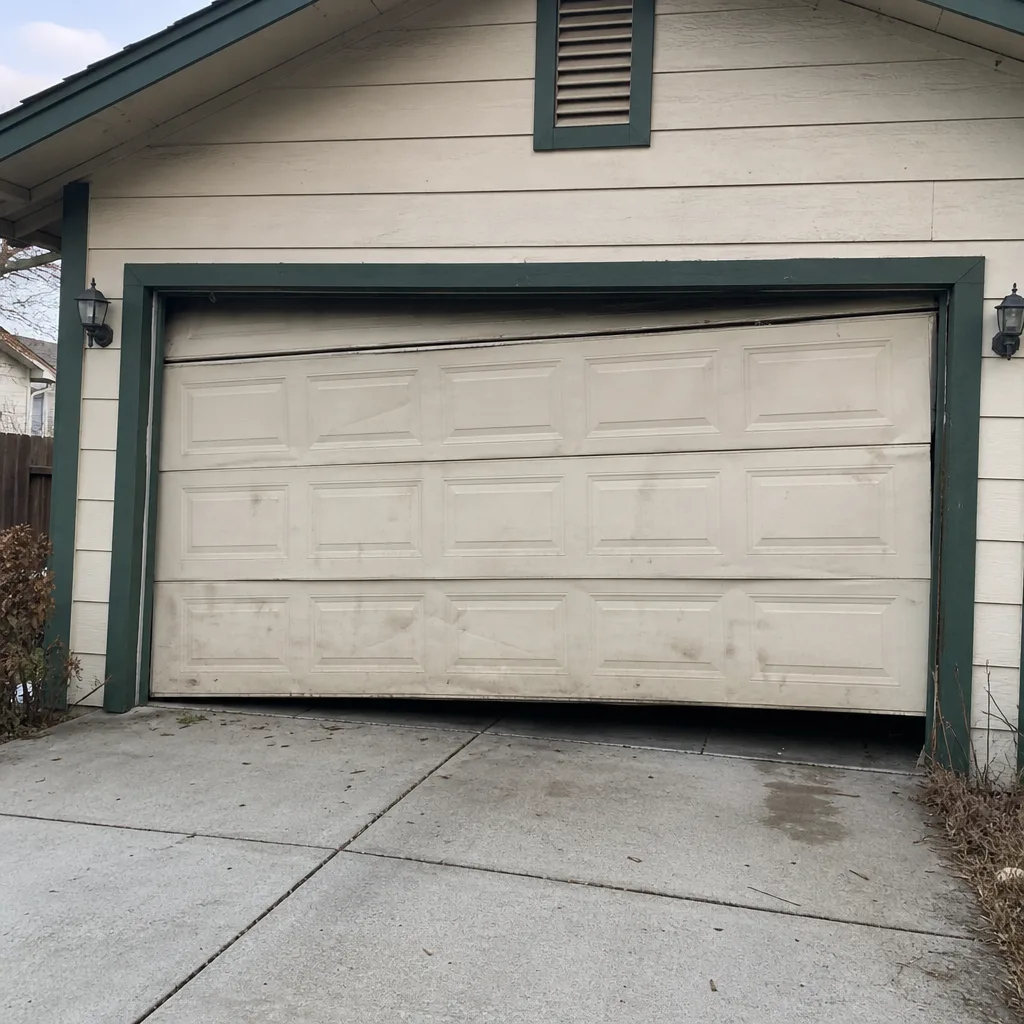 Before
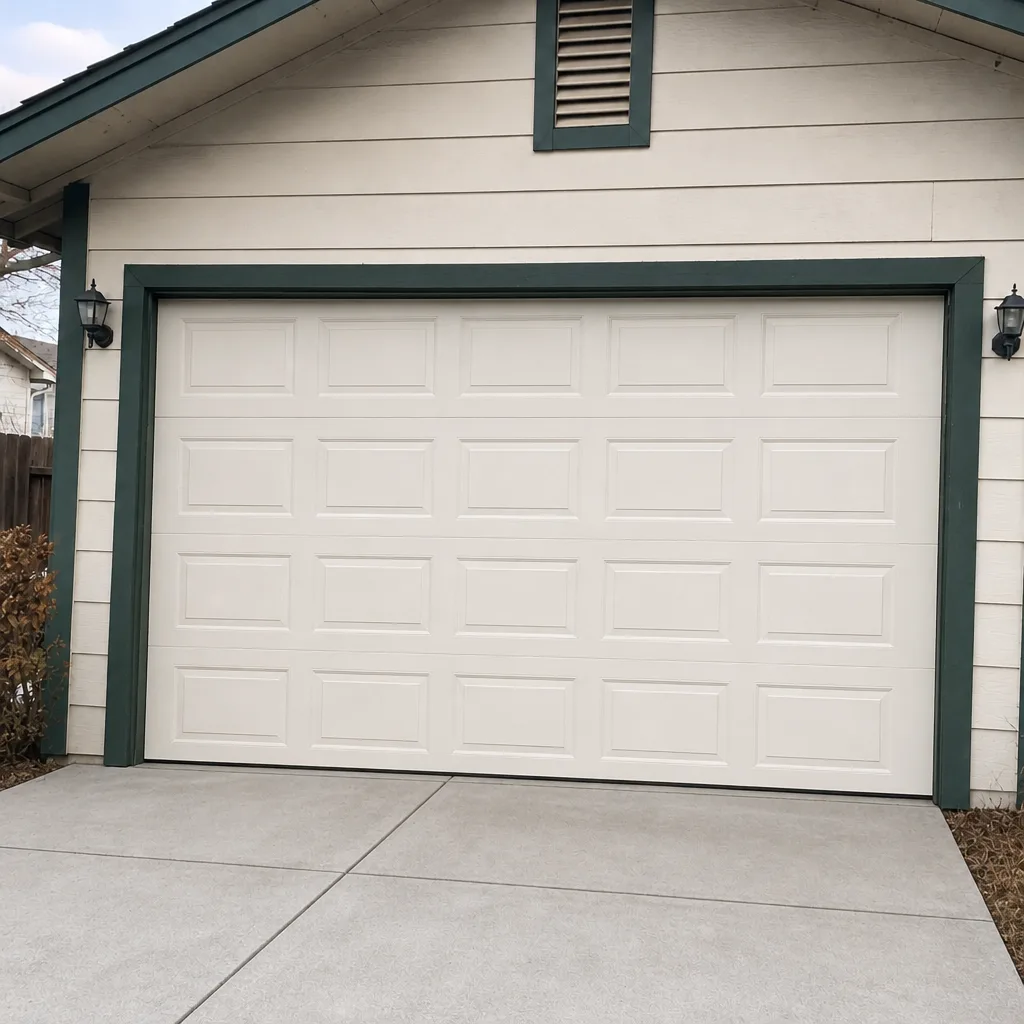 After
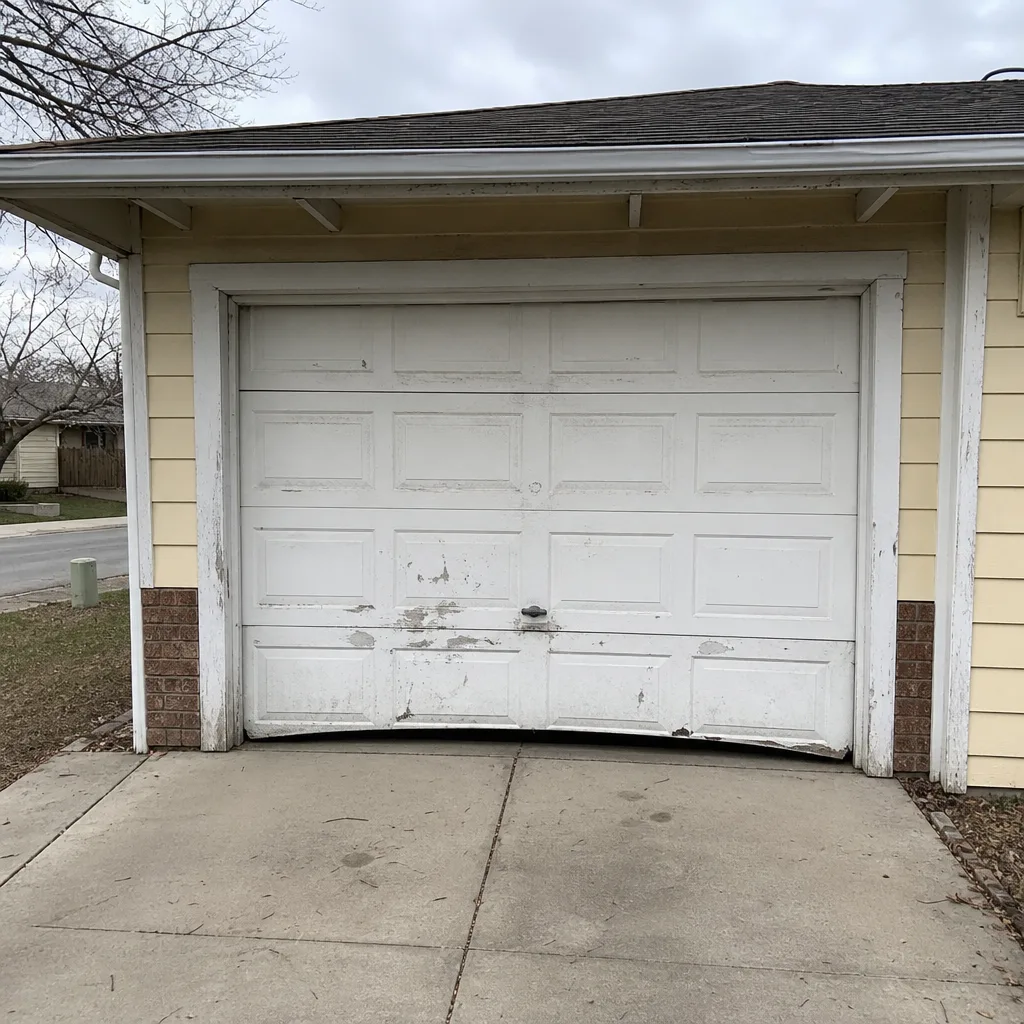 Before
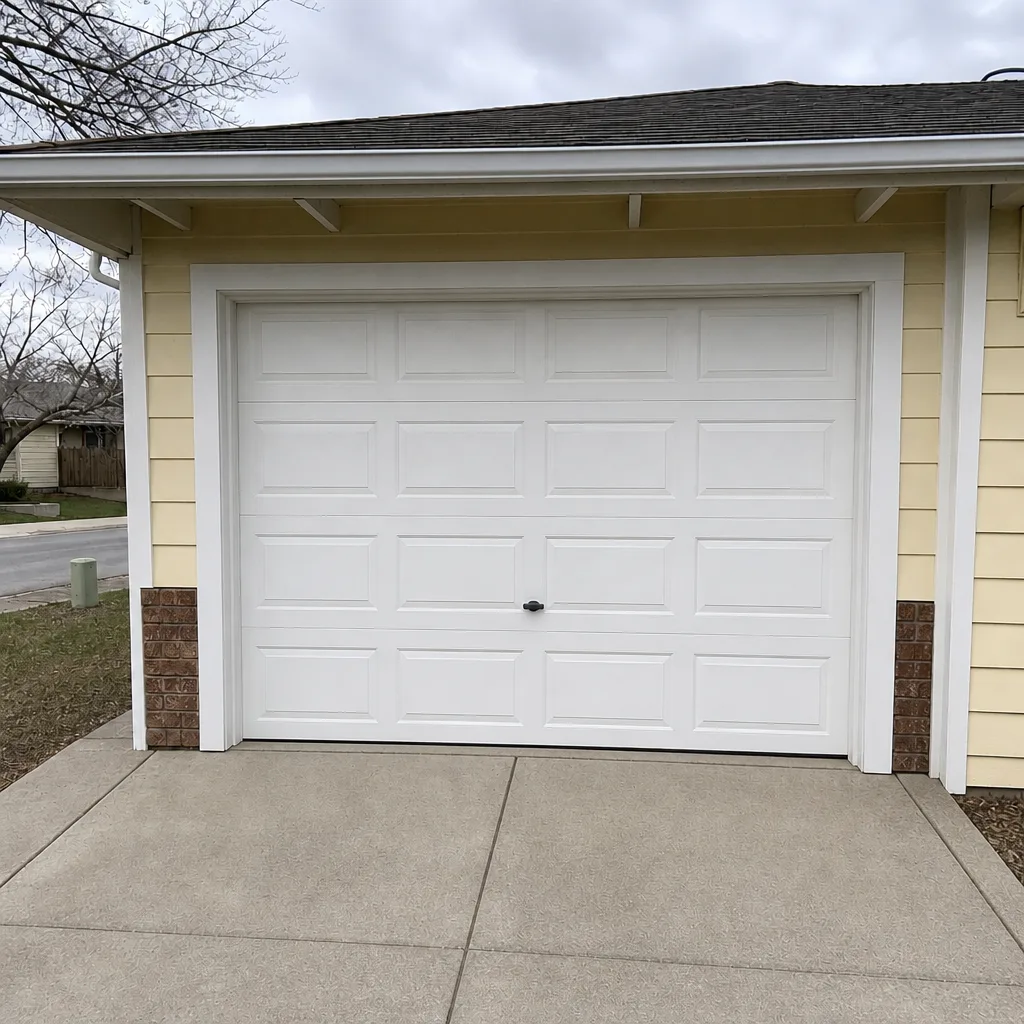 After
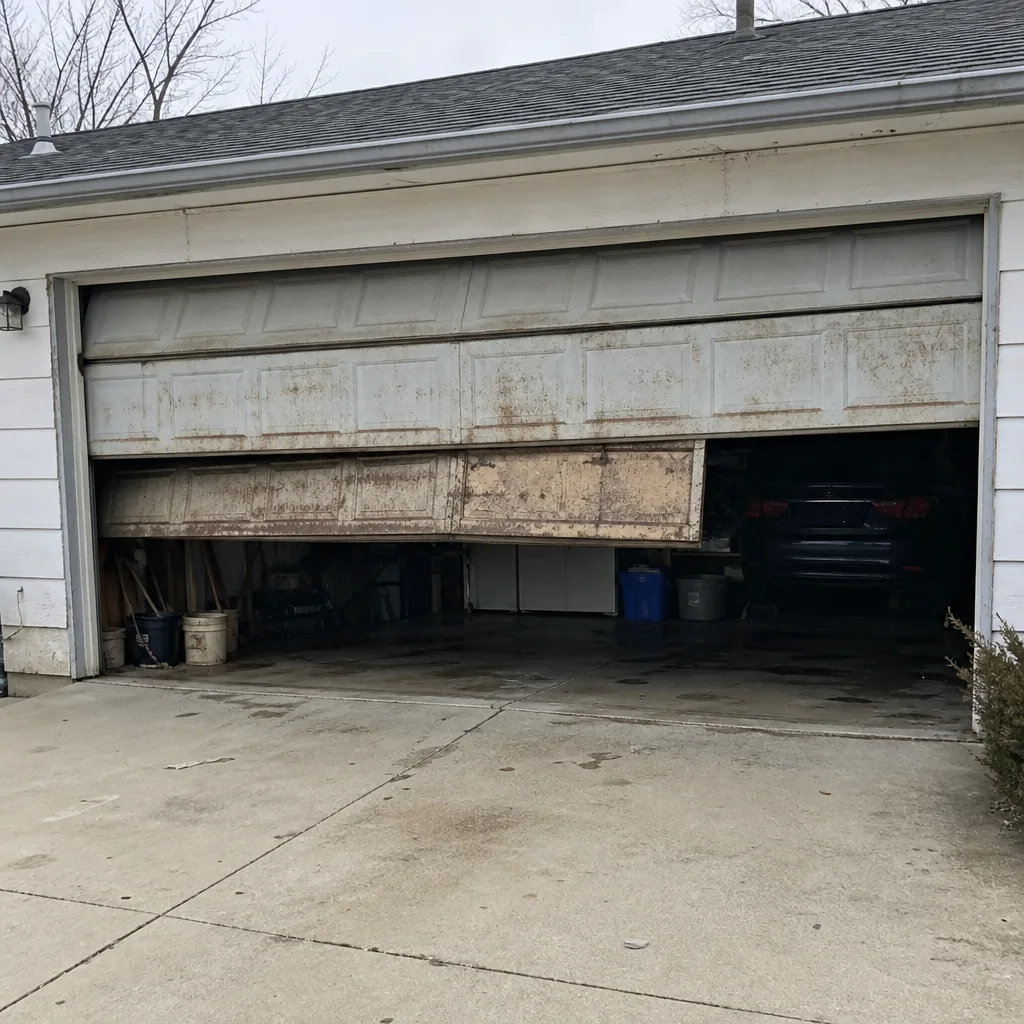 Before
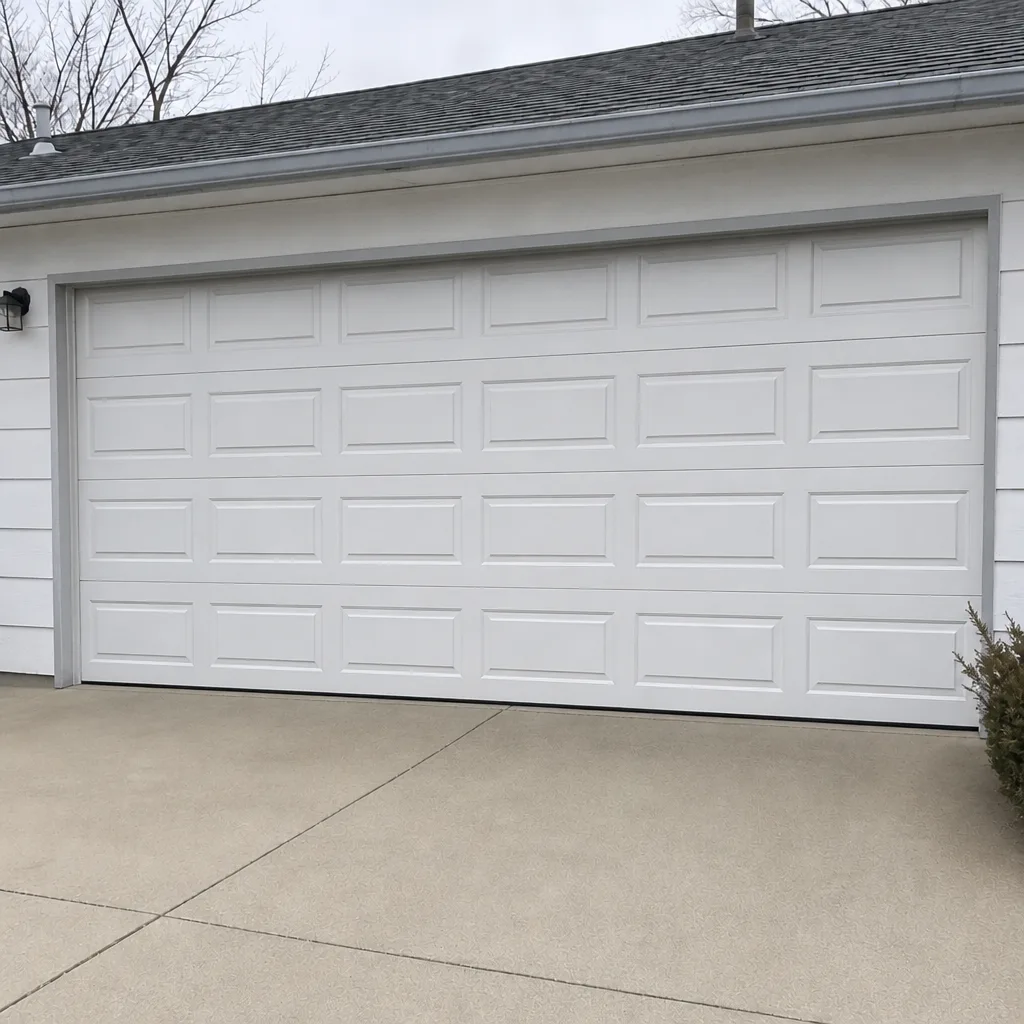 After
When to Call a Professional
Some maintenance belongs in your hands. Springs and cables do not. If you see a broken spring, a frayed or kinked cable, a door hanging off one track, or a door that’s passed the balance test and won’t stay put, stop operating it and call us. Same for any opener that runs without responding, drops force partway through travel, or smells hot. These are the requests we prioritize same-day. Our technicians are trained on LiftMaster, Chamberlain, Genie, Clopay, Amarr, Wayne Dalton, Craftsman, and Raynor, so the brand doesn’t slow down the diagnosis. We handle garage door repair and garage door opener repair under one roof, and we’ll tell you plainly whether a repair or a replacement makes more sense for your door. Arbor Garage Door Repair offers free estimates in Boise City. Call (833) 467-9147. We answer 24/7. Fast dispatch from 7am to 7pm, Sunday through Friday. We’re closed Saturday.
Local contractors in the Boise City area know what a door’s been through this time of year. If you’re not sure whether a problem is maintenance or a repair, that’s exactly the kind of judgment call to make on a phone call rather than a wrench.
Frequently Asked Questions
Three times a year is the right cadence for Boise City: October (pre-winter), March (post-winter), and July (mid-summer heat). The October and July passes are the ones that prevent callbacks. Between them, a two-minute monthly visual scan of tracks, seals, and hardware is enough. Annual service is fine if that’s all you’ll do, but schedule it in October, because that’s the checkpoint that protects your door through the worst of the year. If anything looks off at any of these checkpoints, have a specialist look. Call (833) 467-9147 for a free estimate. We answer 24/7. Fast dispatch from 7am to 7pm, Sunday through Friday.
No. Springs are dangerous and should only be handled by a trained professional. A torsion spring is under extreme tension, and even a light touch or an attempt to reach the coil can result in severe injury if the spring slips or snaps. What you can safely do is describe the symptom to us or a specialist and request a maintenance visit. We’ll handle the lubrication, tension check, and any adjustment. Call (833) 467-9147 for an exact quote; estimates are free, and we’ll confirm the price before any work starts.
A door that fails the 60-second balance test: it slides down on its own when raised to waist height and released. That’s the spring already whispering. A loud bang from the garage, a door that won’t budge off the ground, or a door that’s partially open and won’t go further are the late signs. If you catch the balance test failing early, you can schedule a spring inspection before the door fails and leave the car where you parked it. Same-day service is available for spring calls. Call (833) 467-9147. We answer 24/7. Fast dispatch from 7am to 7pm, Sunday through Friday.
No, the written estimate sets the final price. We inspect the door, quote it in writing, and confirm the price with you before any work begins. We don’t add a service-call fee, a diagnostic fee, or a dispatch fee; the estimate is free and the job is priced per job. If the actual work needs a part the estimate didn’t include, we’ll tell you before we touch the door. The price you agree to is the price you pay. Call (833) 467-9147 to schedule a free estimate. We answer 24/7. Fast dispatch from 7am to 7pm, Sunday through Friday.
If it looks old but still makes solid contact all the way around, it’s worn, not failing. The test: close the door, then run a dollar bill along the gaps. If it holds the bill and the bill stays put, the seal is working. If the seal has hardened to where it cracks when you bend it, or you can see or feel daylight at the bottom or sides, it’s failing and should be replaced before winter. Dust and heat in Boise age seals fast, so check them at the October and July checkpoints. Call (833) 467-9147 for an exact quote; estimates are free.
Yes. Arbor Garage Door Repair works with licensed and insured technicians, and we’re a dedicated single-trade specialist, so garage doors are the only service we offer. Our technicians have up to experience and are trained across eight major brands, including Amarr, Wayne Dalton, Craftsman, and Raynor. We can service most doors already installed without a brand switch. Need to talk through your door? Call (833) 467-9147. We answer 24/7. Fast dispatch from 7am to 7pm, Sunday through Friday.
The Bottom Line
Maintenance in Boise City isn’t a quarterly checklist. It’s an October service, a March check, and a July heat inspection. October protects the door from the first cold snap and the spring that’s about to fail. March catches what winter loosened and what the door has been running on since. July is the one nobody does; it’s also the one that catches the baked-out lubrication and hardened seals before they cost you a fall repair. The 60-second balance test is the cheapest insurance in the trade. The right lubricant in the right place is what keeps the door working. And the door that runs dry is the door that breaks at the worst possible moment.
If you’d rather have a trained eye on it, we’re here for that. We handle garage door opener repair and garage door repair in Boise City, and we’re happy to walk through a maintenance visit so you know what’s been done and why. Call (833) 467-9147 for a free estimate. We answer 24/7. Fast dispatch from 7am to 7pm, Sunday through Friday. If it’s a repair you need, we’ll tell you plainly; if it’s maintenance, we’ll tell you that too. Either way, you’ll know before we start. If you’d like to look at the full picture, see where we work at Arbor Garage Door Repair.
Written by the team at Arbor Garage Door Repair.