
Last updated November 15, 2026
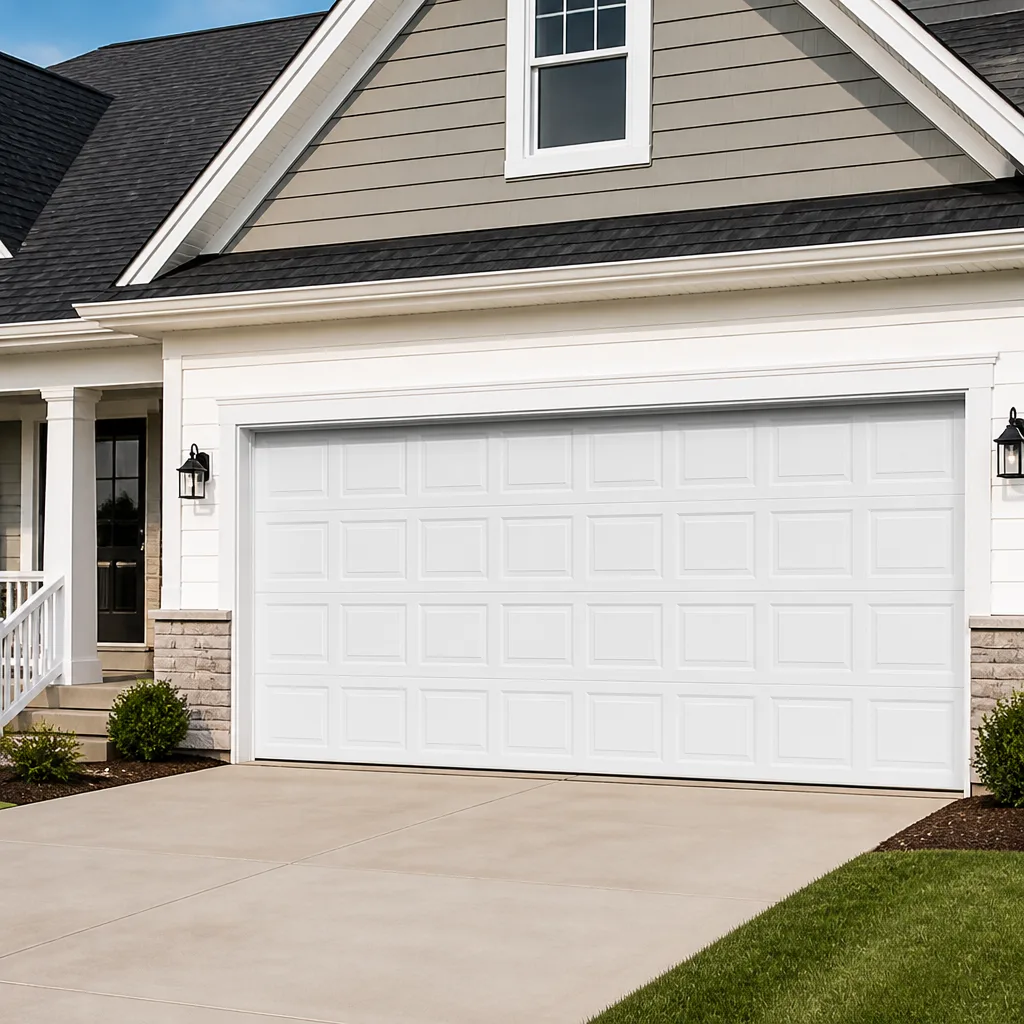 Raised-panel steel
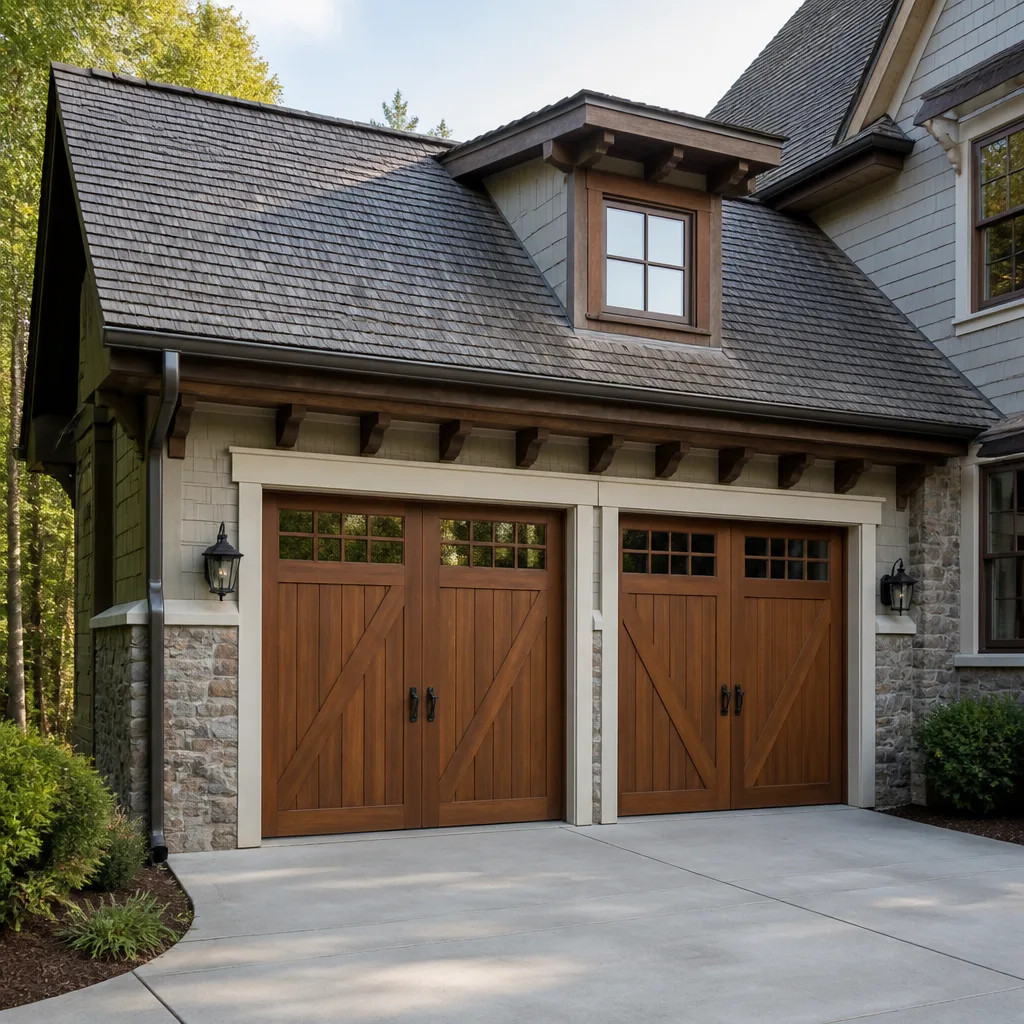 Carriage house
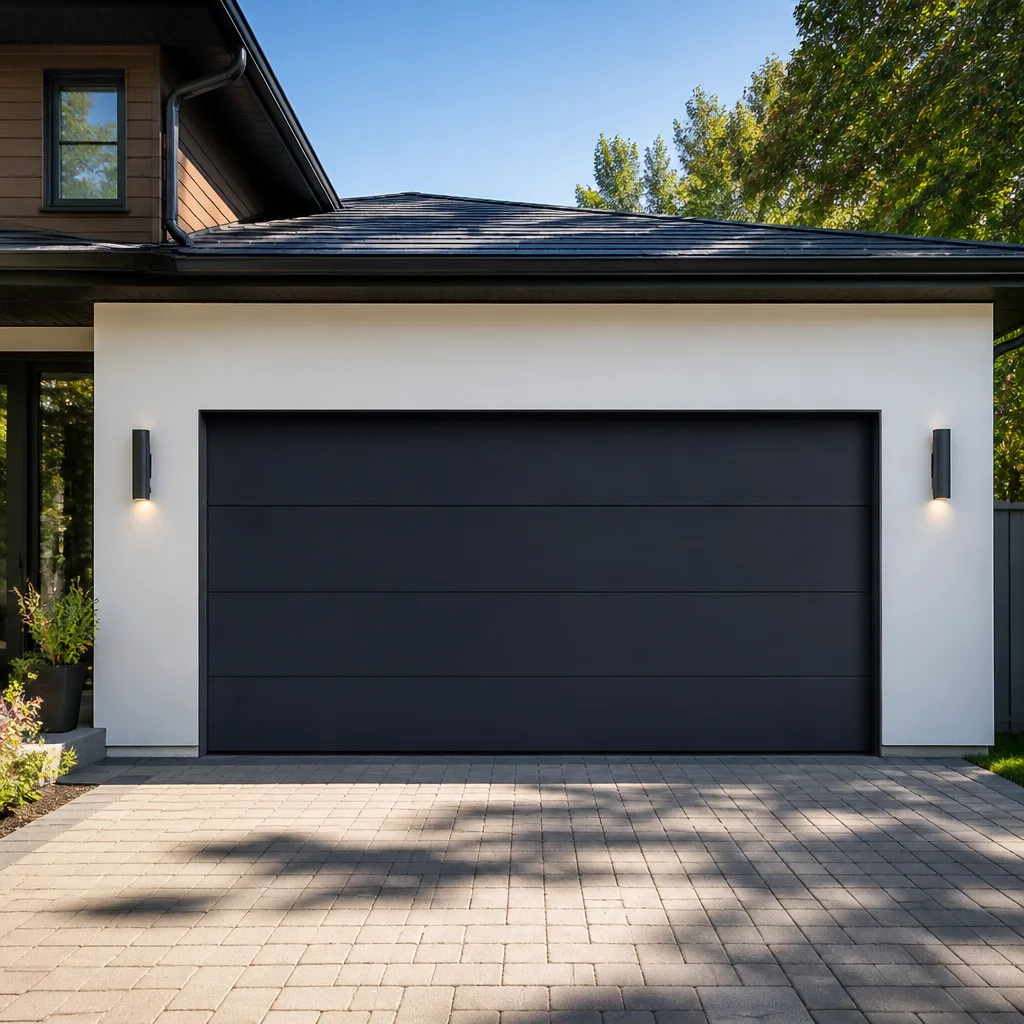 Modern flush
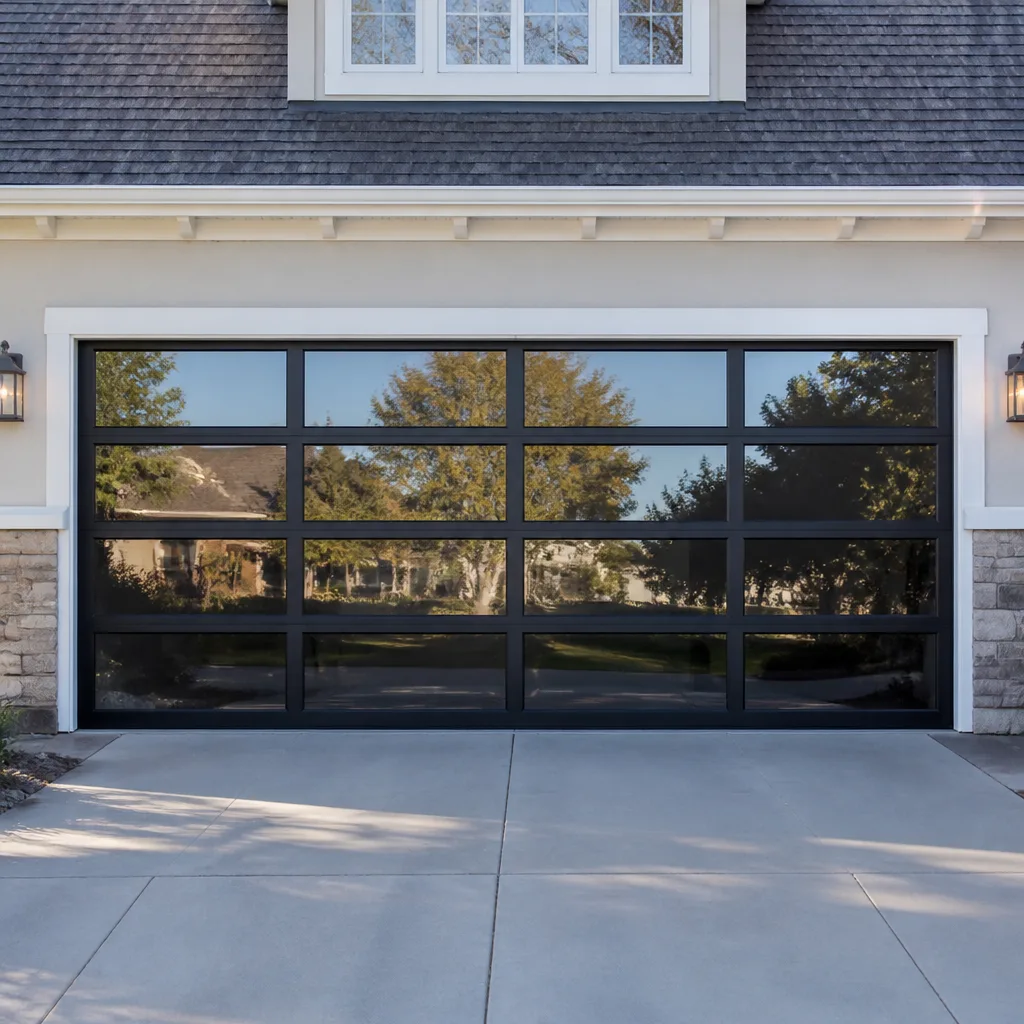 Full-view glass
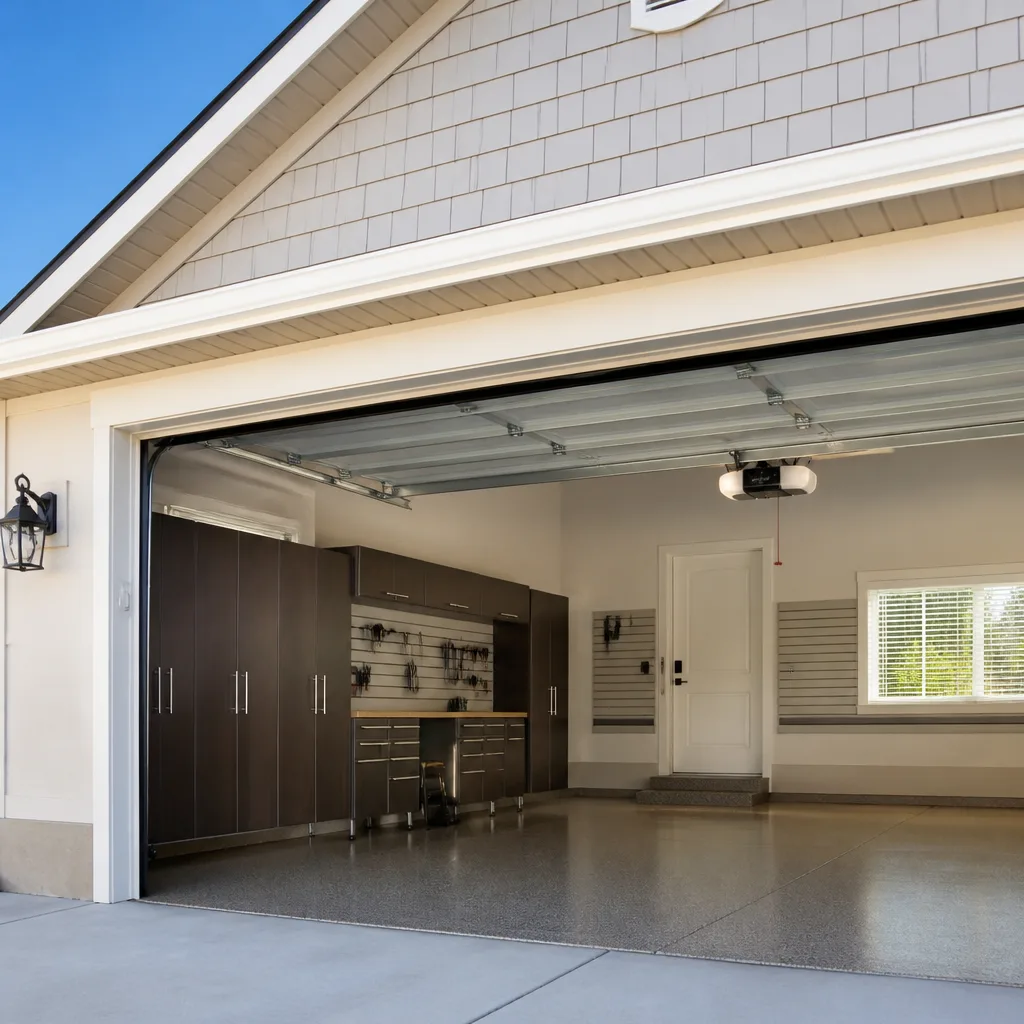 LiftMaster openers
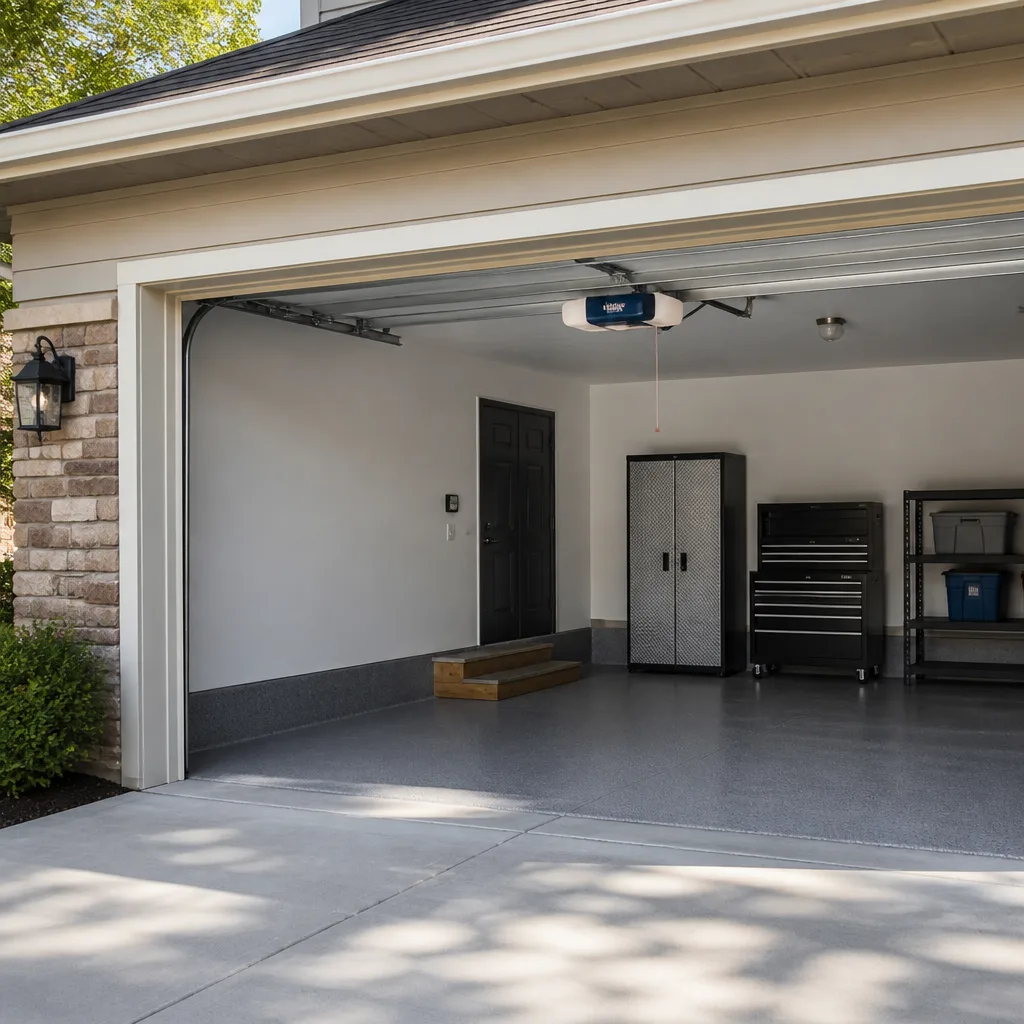 Chamberlain openers
Full 25-point door and opener safety check with every visit - springs, cables, rollers, tracks, and your LiftMaster or Chamberlain opener included
You get a price before we start. It does not change when the pro arrives.
Get your free estimateGarage Door Warning Signs: A Boise City Homeowner’s Reference Guide
Most garage door warning-sign lists describe the end stage. The door won’t open, the cable snapped, the door came down crooked. By the time you see those things, you’re not diagnosing a problem, you’re paying for one. The signals that actually matter in a Boise City home are the quiet ones, and they show up months earlier. A door that hesitates for half a second before it moves isn’t just getting old. That pause points to one of a handful of fixable problems, and catching it at that stage is where a homeowner saves real money. This guide walks through the early signs, what each sound and symptom means, and a five-minute check you can run without tools.
Quick Answer
Early garage door warning signs include a brief hesitation before the door moves, grinding or popping sounds, an uneven gap under the door, rust streaks on the springs, and an opener that reverses for no obvious reason. These symptoms point to a component that’s wearing rather than one that’s failed, which makes them cheaper to fix. In Boise City’s cold mornings, some of these signs are louder and more obvious, while others are hidden by sluggish operation everyone assumes is normal.
Styles & brands we work with
- Raised-panel steel
- Carriage house
- Modern flush
- Full-view glass
- LiftMaster openers
- Chamberlain openers
Table of Contents
- The Half-Second Hesitation That Means Something
- What Each Sound Tells You About Which Part Is Failing
- Spring and Cable Checks You Can Do Without Touching Them
- Opener Behavior Changes That Come Before Motor Failure
- Why Boise City Cold Mornings Mask or Amplify the Signs
- Five-Minute Field Guide: The Pass or Fail Checks
- Common Mistakes to Avoid
- When to Call a Professional
- Frequently Asked Questions
The Half-Second Hesitation That Means Something
A garage door should start moving the instant the opener engages. Not a beat later. If yours pauses, stutters, or lurches before it settles into motion, that’s the single most overlooked warning sign in a Boise City household. We hear the same explanation constantly: it’s just slow in the cold. Sometimes that’s true. Often it isn’t.
That hesitation comes from one of four places. First, a spring that’s lost some of its lift. A torsion spring loses tension gradually, and the opener has to work harder to get the door moving from a dead stop. Second, a carriage or trolley on the opener rail that’s dry or binding. Third, rollers that have flattened over time and aren’t rolling freely in the track anymore. Fourth, a logic board that’s slow to send the signal. Each one is a different repair.
Here’s why this matters for your timeline. A spring that’s low on tension will eventually break, and a broken spring means a door you can’t lift by hand. Catching it while the door still moves is a straightforward spring replacement. Catching it after means the door is stuck, often closed, sometimes with a car trapped inside. Same part, different day, very different amount of inconvenience for you.
Torsion springs carry serious stored tension. Never try to adjust, wind, or remove one yourself. A trained technician has the right winding bars and knows the release sequence. If your door hesitates and you suspect the spring, that’s a call, not a project.
One more thing worth checking before you blame the spring. Walk out to the door after it’s been closed for a while and look at the gap between the bottom of the door and the floor. If one side sits higher than the other, the door is out of balance. An unbalanced door causes exactly the kind of hesitation you’re seeing, and it puts extra strain on the opener every single cycle. It’s also the kind of thing a five-minute look catches long before it becomes something you notice from inside the house.
What Each Sound Tells You About Which Part Is Failing
Your ears are the best diagnostic tool you own, and most homeowners tune out the noise because it crept in slowly. A garage door should be quiet enough that you don’t think about it. When it starts talking to you, here’s the translation.
- Grinding: Metal-on-metal contact somewhere in the moving parts. Usually a roller that’s seized and is dragging through the track, or a hinge that’s worn enough to let the metal drag. Grinding left alone wears out the track itself, which turns a cheap repair into a bigger one.
- Popping: Often the torsion spring catching and releasing as it unwinds, which can signal a spring near the end of its life. It can also be a cable jumping off a drum. Both warrant a stop.
- Rattling: Loose hardware. Hinges, brackets, and track fasteners work themselves loose over years of cycles. Most of the time it’s a tightening job, but rattling can also come from a track that’s pulling away from the door frame, which is a different fix.
- Squealing: Usually rollers. Nylon rollers quiet down when they wear, steel ones can get loud before they fail. Squealing that shows up mainly in Boise City’s cold months often points to rollers or hinges that need lubrication or replacement.
- Banging or slamming: The door is dropping into the closed position too hard. That’s either an opener travel setting that drifted or a spring that’s lost tension. Not a sound to live with.
- Clicking from the opener head: Usually electrical, often a relay or logic board issue inside the unit. This is where garage door opener repair becomes a diagnostic job rather than a mechanical one.
The pattern to watch for is a sound that changes. A door that’s been a little noisy for years is one thing. A door that started making a new noise two weeks ago is telling you something moved, wore, or loosened. In our experience across the brands we work on, from Genie units to older Wayne Dalton doors, sound is usually the first sign and the easiest one to act on.
Spring and Cable Checks You Can Do Without Touching Them
You can learn a lot about the springs and cables on your Boise City door just by looking, with your hands in your pockets. Do that. Springs and cables are the two most dangerous parts on the entire door, and there’s no visual check worth an injury. Here’s what to look for from a safe distance.
- The coil gap. On a torsion spring above the door, look for a visible gap or separation in the coil. If the spring looks like it’s coming apart into segments, it’s failing, and it needs a technician before it breaks.
- Rust streaking. An orange or brown rust trail running down the spring is a sign of age and wear. In a dry climate like Boise City’s you won’t see the corrosion you’d get somewhere humid, so any rust that shows up on the spring is worth noting, not ignoring.
- Cable tension by appearance. The cables on either side of the door should look straight and evenly tensioned. A cable that sags, looks frayed, or is coming off the drum on one side is a stop-and-call situation.
- Uneven gap at the floor. Close the door and look at the bottom seal. A noticeably uneven gap from one side to the other means the door isn’t square in the tracks, which is often a spring or cable symptom.
- Extension spring gaps. If your door has springs running along the horizontal tracks, look for a gap between the coils where the spring has stretched out.
None of these require a tool. All of them can be done in under a minute on each side of the door. If any of them look wrong, the next step is a technician, not a wrench. Spring and cable work in Boise City isn’t a job to take on from a video, and this is the one check where the right answer is always the same.
Opener Behavior Changes That Come Before Motor Failure
Openers rarely die without warning. They start behaving strangely first, and the strange behavior points at which part of the unit is going. Pay attention to changes in how the opener responds, not just whether it opens the door.
- One remote works, another doesn’t: Almost always the remote or its battery, not the opener. Before you call, swap batteries and try a second remote.
- Door reverses on its own partway down: Usually a safety sensor issue, either misaligned or blocked. Sunlight hitting the sensor lens is a common cause, and it can be a problem when the door faces a bright exposure.
- Opener runs but the door doesn’t move: The trolley or carriage has disconnected. This is often a release-cord issue, not a motor failure, and it’s usually fixable on a repair visit.
- Delayed response to the wall button: A slow response that isn’t tied to cold weather can mean the logic board is struggling. It can also mean wiring, so it’s worth a proper diagnosis.
- Lights flash but nothing else happens: Often a sensor lockout, sometimes a board issue. The flashing pattern is a diagnostic code, and knowing the brand helps read it.
- Motor sounds strained or labored: This could be the opener working against a door that needs more lift from the spring. A strained opener is often a symptom of a door problem, not an opener problem.
The last one is the most commonly misdiagnosed. Homeowners replace an opener that was fine, because the actual issue was a spring that needed help. That’s why we check the door and the opener together before deciding on a fix. It’s also why brand familiarity matters. The brands we work on, including LiftMaster, Chamberlain, Genie, Clopay, Amarr, Wayne Dalton, Craftsman, and Raynor, each have their own quirks, remotes, and logic patterns. When garage door repair is the job, knowing the make up front saves a return visit.
Why Boise City Cold Mornings Mask or Amplify the Signs
Boise City sits in a valley with cold winters and cold mornings, and that changes how warning signs present themselves. Some signs get louder in the cold. Others get hidden behind the cold. Knowing which is which will stop you from dismissing a real problem as a weather quirk.
What gets amplified: Lubrication gets thicker in low temperatures. Hinges, rollers, and tracks all move a little stiffer on a cold morning. A door that’s already slightly worn will sound louder and move slower in January than it does in June. Squeals and grinds are most obvious in the first open of a cold day.
What gets masked: Hesitation. A door that’s slow to start on a cold morning gets excused as “just cold weather” and never gets looked at. That’s exactly the sign we see homeowners wait on the longest. The test is simple. Does the hesitation disappear once the day warms up, or does it happen on a mild morning too? A mild morning hesitation is a real problem. A hesitation that only appears below freezing is still worth checking, but it’s less urgent.
What the seasons do to the house: Boise City’s freeze and thaw swings can shift a concrete slab slightly, which changes how the door sits on its weatherstrip. Drafts around the perimeter of the door are worth looking at as fall approaches. A door seal that’s fine in summer can let in a surprising amount of cold air by December. If the seal looks compressed, torn, or has visible gaps at the bottom corners, replacing it before the cold settles in is a small job with a real payoff.
What doesn’t happen here: Boise City isn’t a coastal market, so salt air and marine corrosion aren’t factors in how garage doors wear in town. What does the wear is the temperature swing and the number of dry cycles the door goes through each year. A door in the foothills sees a bit more wind and grit than a door in a more sheltered neighborhood, but the mechanism is the same.
One more cold-weather note. Cold makes metal more brittle and more prone to failure under stress, which is why a worn torsion spring is more likely to break in a cold snap than in summer. If you’ve been watching a rusty spring all fall, the cold is the reason not to wait for spring.
Five-Minute Field Guide: The Pass or Fail Checks
Run this once a month. It takes five minutes, no tools, and gives you a clear pass or fail on every major part of the system. If a check fails, that’s a call. If everything passes, put it on the calendar for next month.
- Balance check. With the door closed, disconnect the opener using the release handle and lift the door halfway by hand. It should stay put on its own. If it drops or rises, the door is out of balance. Reconnect before running the opener again.
- Visual spring check. Look at the spring safely from the ground. No gaps in the coil, no rust streaks, no visible fraying. Any of those is a fail.
- Cable check. Both cables should look straight and tight. Any sag, fray, or slack is a fail.
- Roller check. Look at the rollers in the track. They should be round and roll smoothly, not flat-spotted or seized. Worn rollers often look flat on one side.
- Track check. Run your eyes down each track. Dents, bends, or a track that’s visibly pulled away from the door frame is a fail.
- Sound check. Open and close the door once and listen. Grinding, popping, or a new rattle is a fail. A quiet door is a pass.
- Sensor check. Look at both safety sensors at the base of the tracks. They should be aligned, clean, and the indicator lights should be solid, not flickering.
- Seal check. The bottom seal should meet the floor across the full width. Any daylight visible under the closed door is a fail.
This is the checklist we run on every diagnostic visit, and it’s the same one that turns a mysterious symptom into a specific repair. Using Arbor Garage Door Repair isn’t the point of the list. Knowing what to look at is. If a check fails, a trained technician can confirm the actual cause rather than guessing at the part that seems most likely. In our experience, that distinction is where most homeowners end up saving the most.
Common Mistakes to Avoid
- Assuming cold weather explains everything. Genuine cold-weather sluggishness is real, but it’s temporary. A hesitation that shows up on a mild Boise City morning, or that’s still there after the door has run once, is a mechanical symptom, not weather.
- Replacing the opener when the door is the problem. A strained, labored opener is often reacting to a worn spring. Swap the opener without addressing the door and the new unit will wear out the same way.
- Trying to adjust or replace springs yourself. Torsion springs hold enormous stored force even when they look relaxed. This is the one part of the system where a homeowner’s only safe move is calling a technician.
- Greasing the tracks. Track lubrication attracts dust, and in Boise City’s dry climate that turns into grime that gumming up the rollers. Lubricate rollers and hinges, leave the tracks alone.
- Ignoring a new sound because the door still opens. A door that’s noisy but working is in the early warning window. That’s the least expensive stage to fix.
- Skipping the balance check because it seems complicated. It’s a one-minute test with the release handle, and it catches more problems than any other check on the list.
- Waiting on a visual spring problem because the weather’s cold. Cold makes springs more brittle, not more forgiving. A spring that looks worn in November is a good candidate to break in January.
When to Call a Professional
Call a technician when the door hesitates on a mild morning, when any new grinding, popping, or popping sound appears, when you see a gap or rust on the spring, when a cable looks slack or frayed, when the door reverses on its own, or when the opener runs but the door doesn’t move. Those are the scenarios where a proper diagnosis is faster than a guess. Spring and cable issues are always a call, no exceptions. A technician who works on garage doors every day can usually tell what’s wrong from the sound and a look at the hardware, and get the right fix on the first visit. Arbor Garage Door Repair offers free estimates in Boise City. Call (833) 467-9147. We answer 24/7, with fast dispatch from 7am to 7pm, Sunday through Friday. A call outside dispatch hours is booked into the next opening, Sunday through Friday, 7am to 7pm.
Frequently Asked Questions
The earliest signs are a brief hesitation before the door starts moving, new grinding or popping sounds, a visibly uneven gap under the closed door, rust streaks on the springs, and an opener that responds slowly to the wall button. These show up weeks or months before a failure.
Some stiffness on a genuinely cold morning is normal because lubrication thickens in low temperatures. The key test is whether the door runs normally once it’s warm or on a mild day. If the hesitation is still there on a mild morning, it’s not the cold, and it should be checked.
Yes. Stand safely back and look for a visible gap in the coil, rust streaks on the spring, and a door that closes unevenly. If any of those show up, call a technician. Never adjust, wind, or remove a torsion spring yourself, because the stored tension can cause serious injury.
The carriage or trolley has probably disconnected from the chain or belt. This is usually a release-cord or connection issue rather than a motor failure, and it’s a common repair. Call (833) 467-9147 for a free estimate. We answer 24/7.
Once a month is a good rhythm. The five-minute pass-or-fail check in this guide covers the balance, spring, cables, rollers, tracks, sensors, and seal. It catches most early wear before it turns into a repair.
Grinding usually means metal-on-metal wear, often a seized roller or a worn hinge dragging through the track. Left alone, it wears the track itself. It’s one of the most common symptoms we’re called about in Boise City, and one of the easier ones to fix when it’s caught early.
The Bottom Line
The warning signs worth acting on are the early, quiet ones. A half-second hesitation, a new grinding sound, a rust streak on the spring, a door that never quite sits even on the floor. Those are the signals that show up while the fix is still small. Boise City’s cold mornings make some of them louder and hide others behind the assumption that everything’s slow in winter. The five-minute check in this guide is the simplest way to catch them, and the spring and cable items are always a call. When something fails the check, get an actual diagnosis rather than a guess. That’s the difference between the right fix and the expensive one.
Call (833) 467-9147 for a free estimate. We answer 24/7. Fast dispatch from 7am to 7pm, Sunday through Friday. Our technicians have up to experience and work on the brand you already have.
Written by the team at Arbor Garage Door Repair.
See the difference
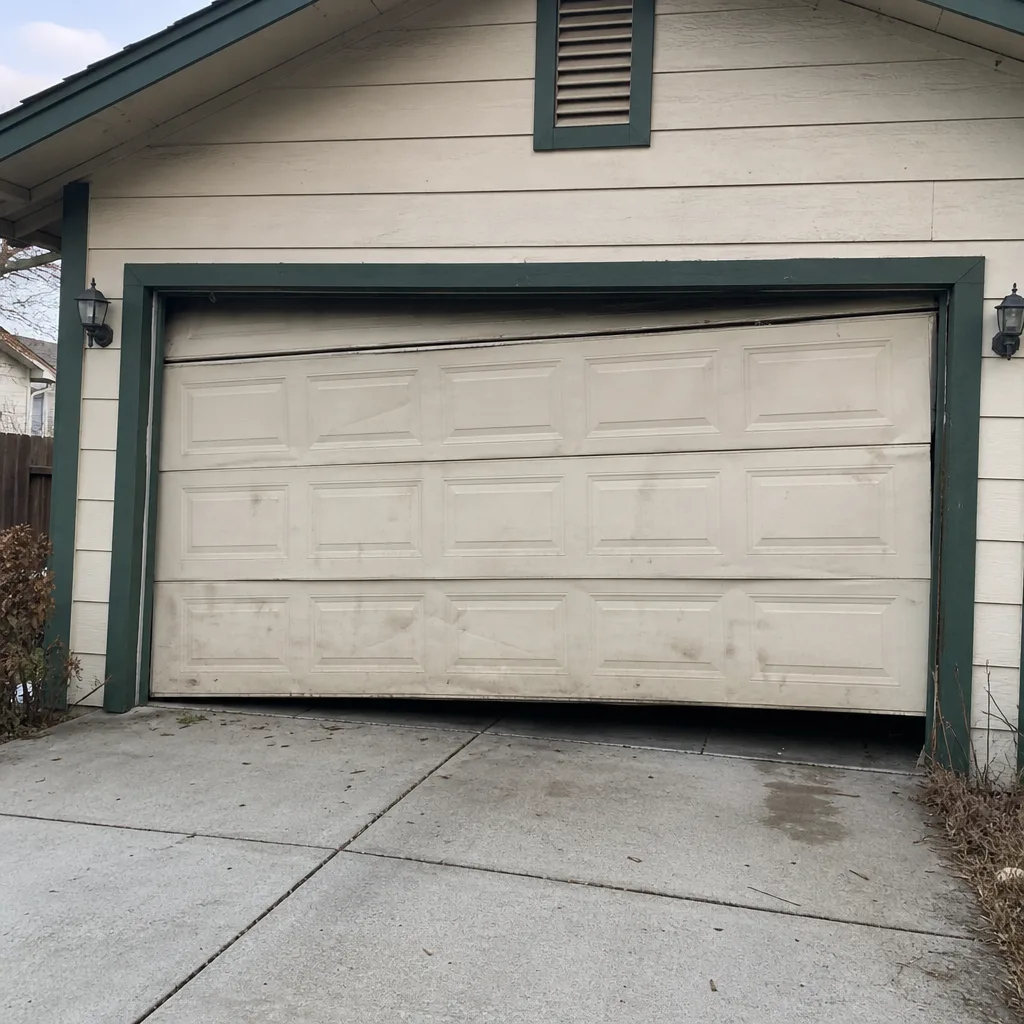 Before
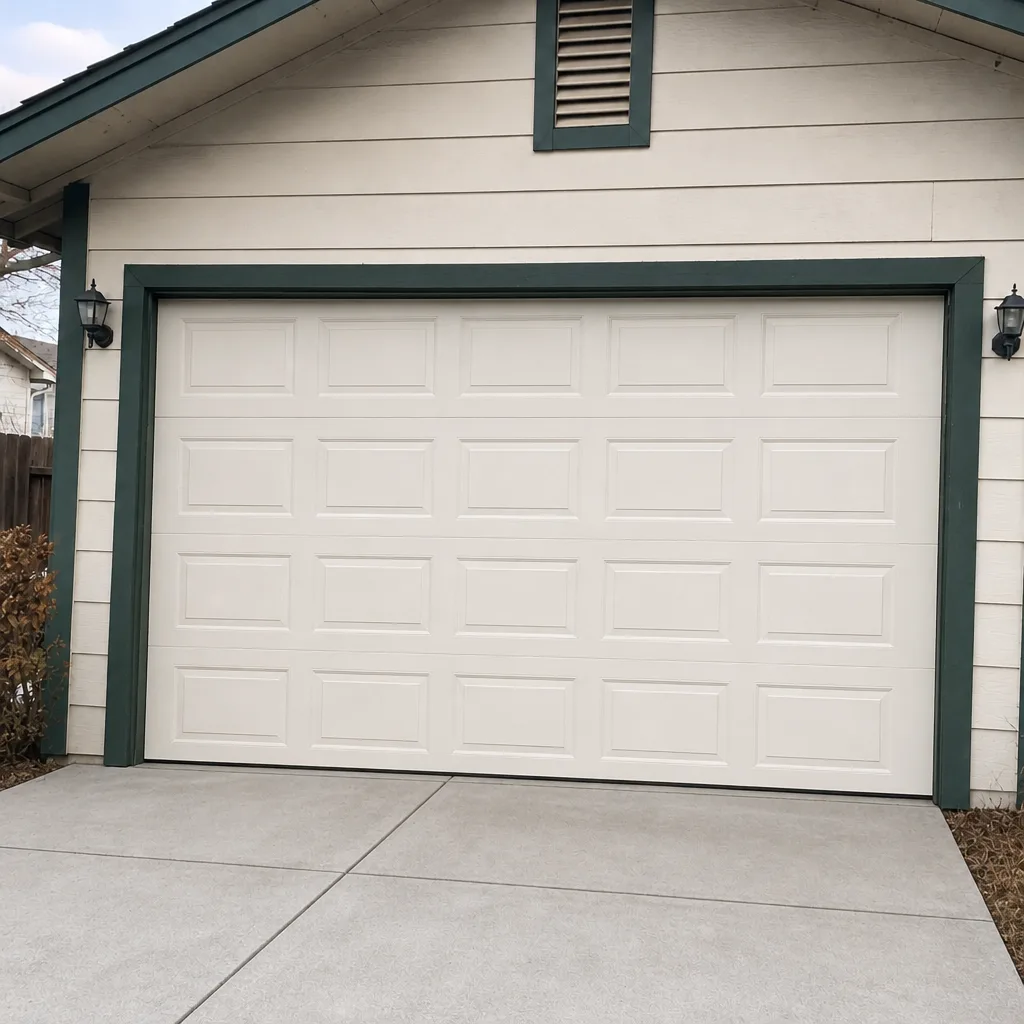 After
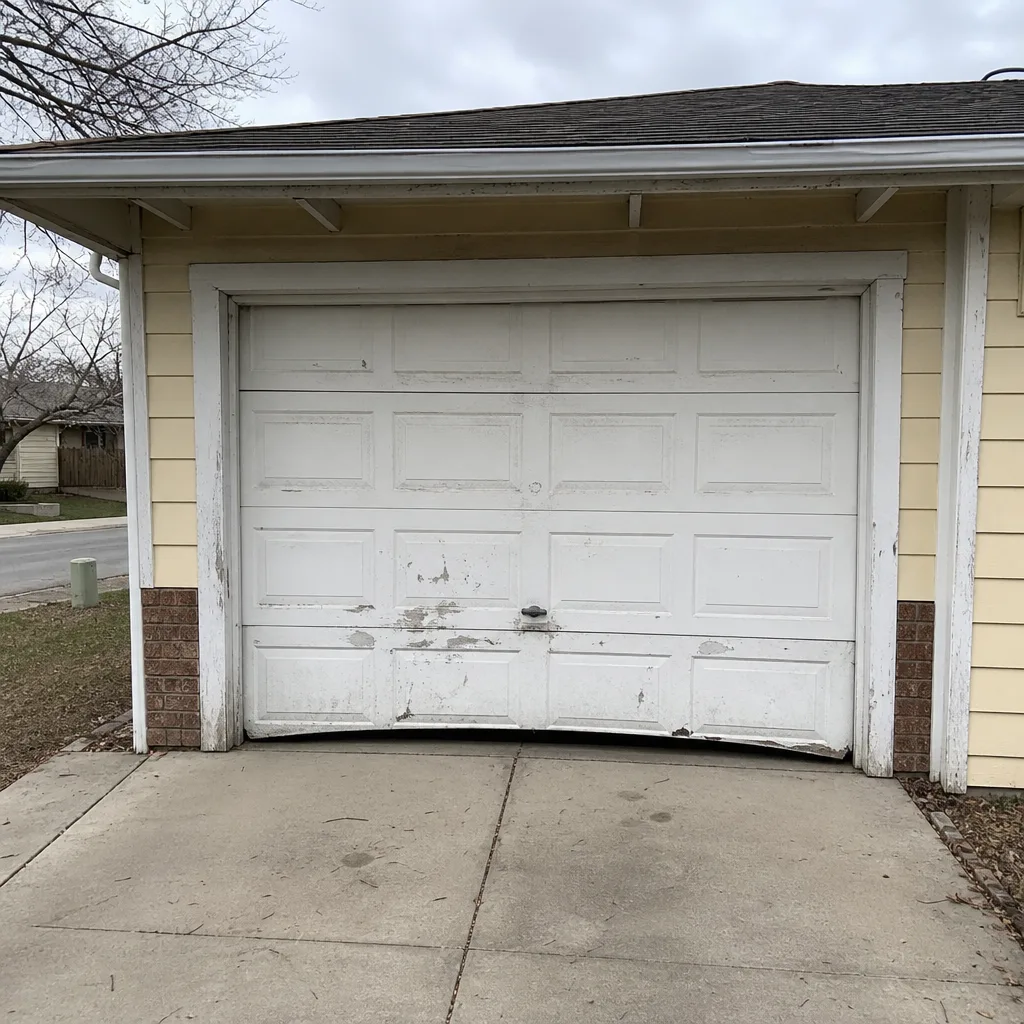 Before
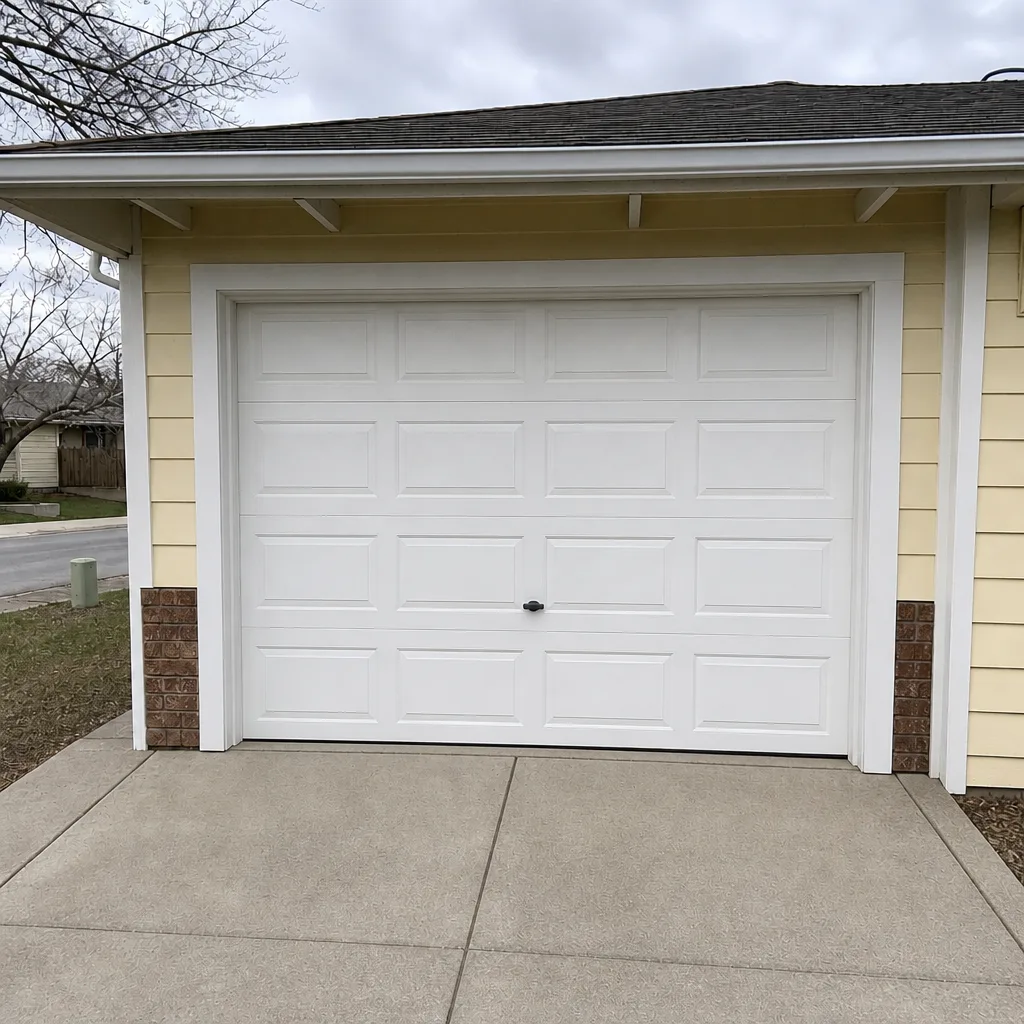 After
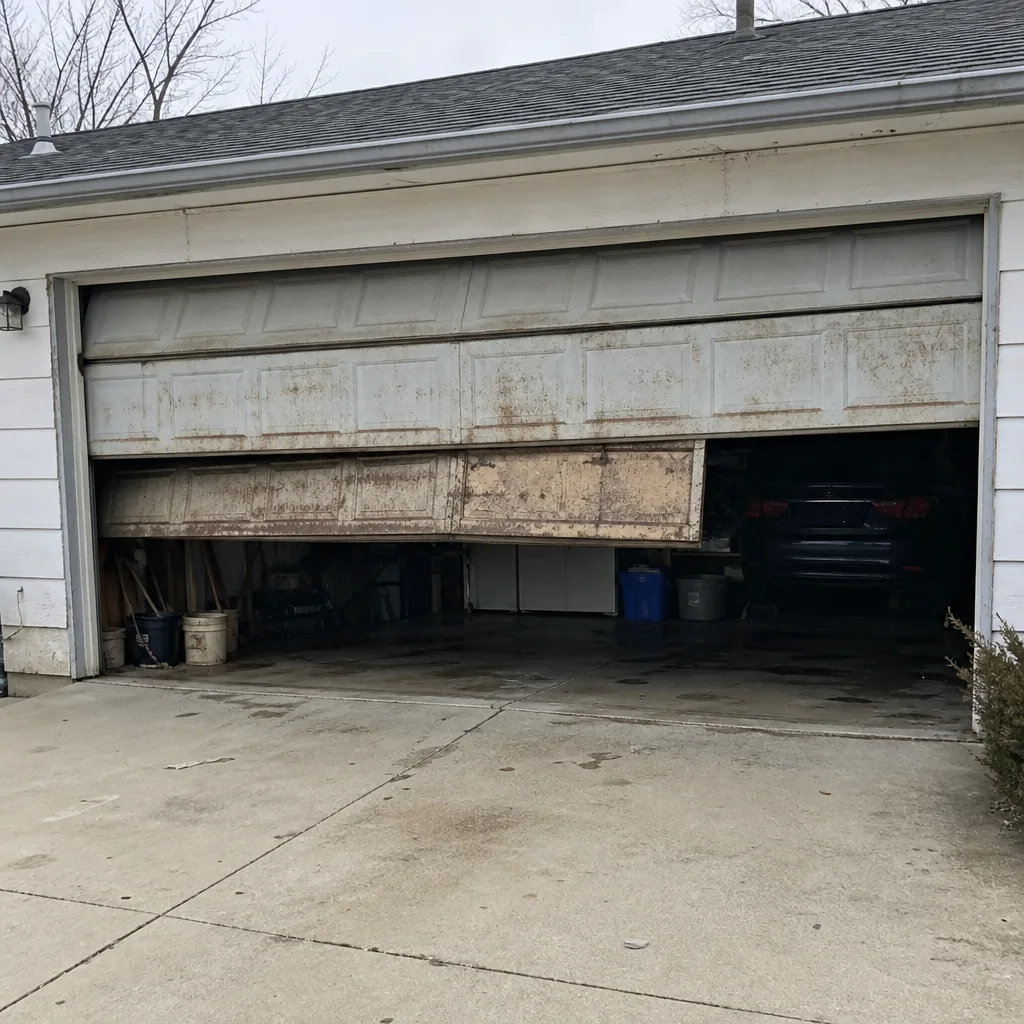 Before
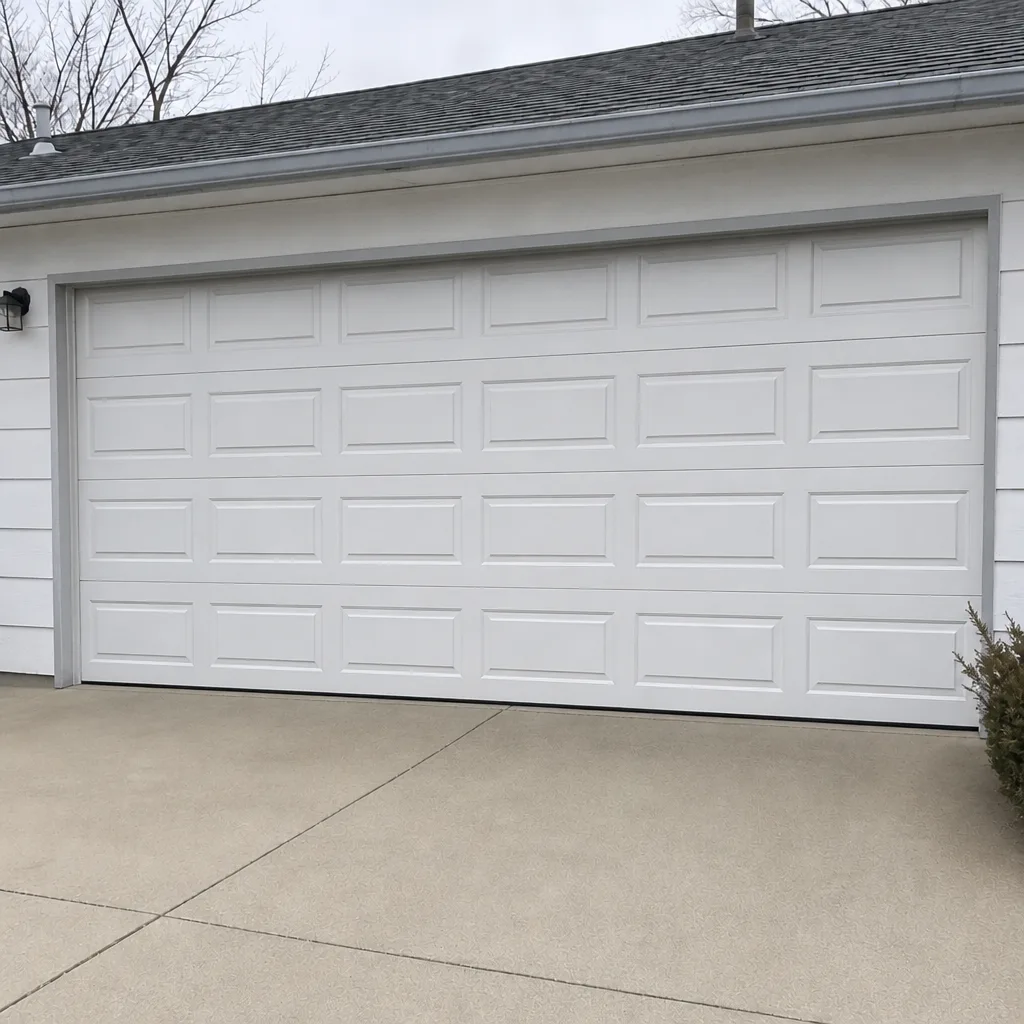 After